

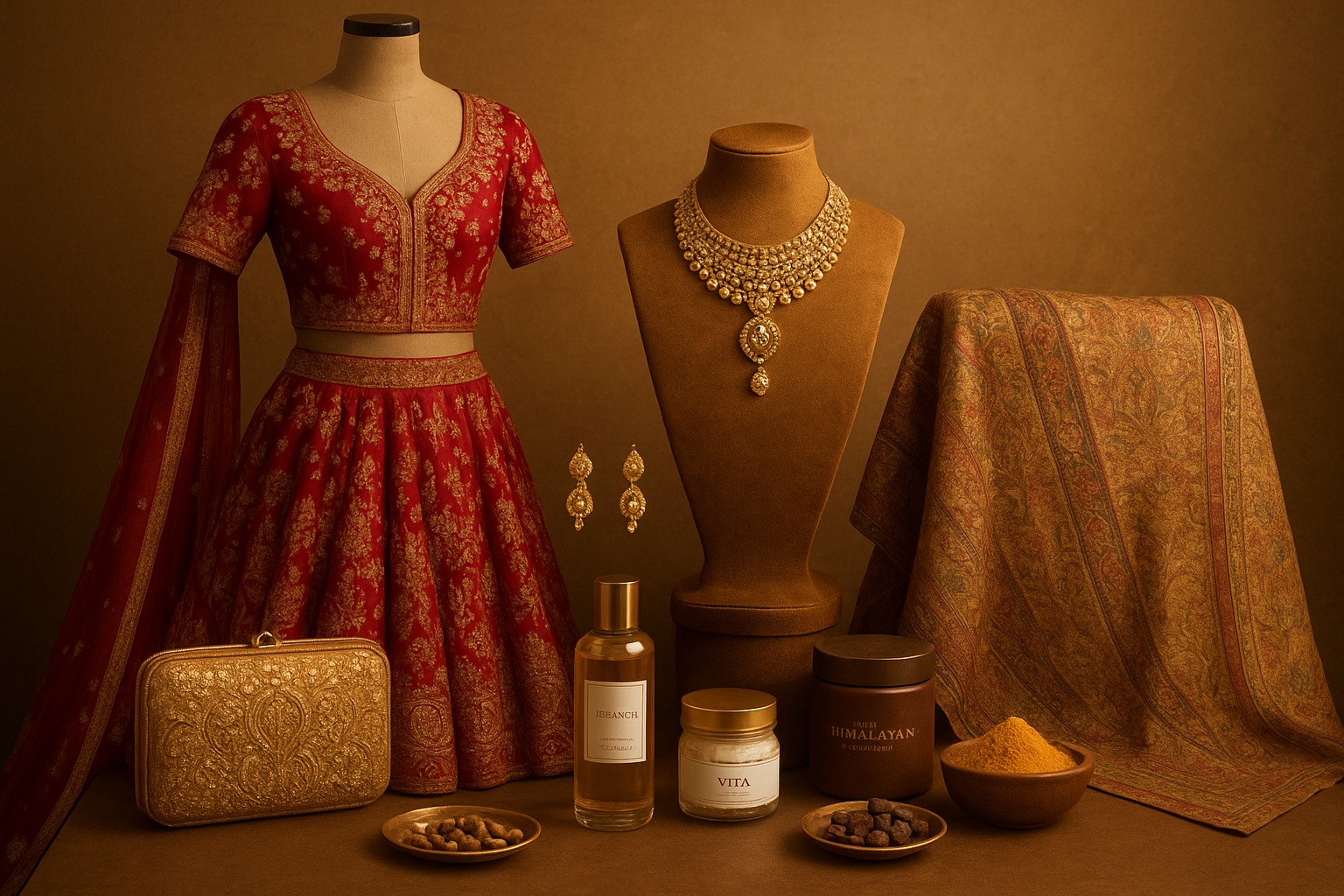
India is witnessing a resurgence in homegrown luxury brands. From high-end fashion and jewelry to gourmet foods and premium wellness products, Made-in-India luxury brands are redefining style, quality, and consumer perception. 2025 marks a turning point, with Indian entrepreneurs building globally recognized brands that rival international competitors.
Why Made-in-India Luxury is Gaining Momentum
1. Growing Affluent Consumer Base
India’s urban population is increasingly brand-conscious and willing to spend on premium products. Rising disposable incomes and changing lifestyles are fueling demand for luxury items.
2. Global Recognition for Craftsmanship
Indian artisans are renowned for their handwoven textiles, jewelry, and traditional crafts. Luxury brands leveraging this heritage appeal to both domestic and international markets.
3. Shift Towards Sustainable Luxury
Consumers now prefer eco-friendly and ethically produced products. Indian luxury brands emphasizing sustainability are gaining a competitive edge globally.
4. Digital Transformation
E-commerce, social media, and influencer marketing have enabled direct-to-consumer luxury sales, making niche brands accessible to a wider audience.
Top Sectors Leading the Luxury Movement in India
1. Fashion & Apparel
Brands like Nicobar, Good Earth, and Raw Mango are blending traditional Indian craftsmanship with modern aesthetics, appealing to both domestic and international customers.
2. Jewelry & Accessories
From Tanishq’s premium collections to niche handcrafted jewelers, Indian brands are focusing on design, quality, and storytelling.
3. Wellness & Beauty
Luxury wellness brands offering organic skincare, Ayurvedic products, and spa experiences are capturing the premium market.
4. Food & Beverages
Gourmet teas, artisanal chocolates, and organic wines made in India are gaining global appreciation, highlighting the premium culinary scene.
Challenges Facing Made-in-India Luxury Brands
Brand Perception: Many consumers still associate luxury with foreign brands.
High Production Costs: Skilled craftsmanship and quality raw materials make Indian luxury products expensive.
Marketing & Visibility: Competing with global brands requires innovative marketing and storytelling.
Future of Made-in-India Luxury
With the rise of digital marketing, influencer culture, and global e-commerce platforms, Indian luxury brands are expected to expand their global footprint. By combining heritage, sustainability, and modern design, these brands are creating a distinct identity for India in the international luxury market.
FAQs
Q1. What defines a luxury brand in India?
A luxury brand offers premium quality, exclusivity, and a unique brand story, often with heritage or craftsmanship at its core.
Q2. Are Made-in-India luxury brands competing globally?
Yes, brands in fashion, jewelry, and gourmet foods are gaining recognition in international markets for their quality and design.
Q3. Why are Indian luxury brands gaining popularity now?
Rising disposable incomes, digital access, sustainability awareness, and global recognition of Indian craftsmanship are key drivers.
Q4. How can new entrepreneurs enter the Indian luxury market?
Focusing on niche products, heritage craftsmanship, sustainability, and effective storytelling can help create a successful luxury brand.
Q5. Which Indian luxury sectors are growing fastest?
Fashion, jewelry, wellness, and gourmet food are currently leading growth.
Published on : 17th August
Published by : SMITA
www.vizzve.com || www.vizzveservices.com
Follow us on social media: Facebook || Linkedin || Instagram
🛡 Powered by Vizzve Financial
RBI-Registered Loan Partner | 10 Lakh+ Customers | ₹600 Cr+ Disbursed