

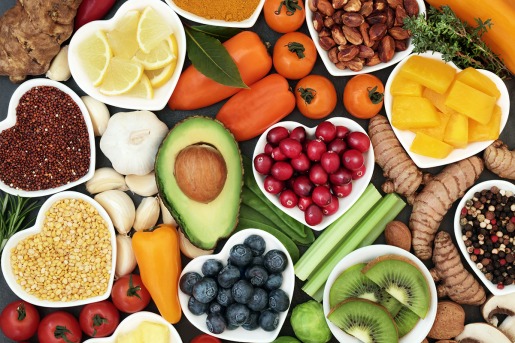
Superfoods are marketed as nutritional powerhouses capable of boosting immunity, energy, and overall health. But how much of this is scientifically backed, and how much is hype? This article explores the science behind superfoods, helping you separate fact from fiction.
What Are Superfoods?
Foods exceptionally high in nutrients like vitamins, minerals, antioxidants, or healthy fats.
Common examples: blueberries, kale, chia seeds, salmon, turmeric, and dark chocolate.
Often marketed for disease prevention, weight management, and longevity.
Science-Supported Benefits
Antioxidant-Rich Foods
Berries, spinach, and nuts help fight free radicals, reducing oxidative stress.
Heart-Healthy Fats
Salmon, flaxseeds, and walnuts contain omega-3 fatty acids beneficial for cardiovascular health.
Anti-Inflammatory Compounds
Turmeric and ginger contain curcumin and bioactive compounds that reduce inflammation.
Fiber for Gut Health
Foods like oats, legumes, and chia seeds support digestive health.
Common Myths About Superfoods
Superfoods alone can’t cure diseases.
No single food is a miracle: A balanced diet matters more than one “super” item.
Organic vs. Non-Organic: Nutrient content differences are minimal in most cases.
How to Incorporate Superfoods Wisely
Eat a variety of nutrient-dense foods rather than focusing on a single superfood.
Combine fruits, vegetables, proteins, and healthy fats in daily meals.
Superfoods should supplement a balanced diet, not replace it.
Conclusion
While superfoods do offer significant health benefits, they are not miracle solutions. A balanced, nutrient-rich diet, regular exercise, and healthy lifestyle habits remain the key to wellness. Use superfoods strategically and in moderation to truly benefit your body.
FAQ
Q1: What qualifies as a superfood?
Foods rich in nutrients, antioxidants, or healthy fats that provide health benefits.
Q2: Can superfoods prevent disease?
They can support overall health but cannot replace medical treatment or cure diseases alone.
Q3: Are expensive superfoods better than common foods?
Not necessarily. Many affordable fruits and vegetables provide equal nutrients.
Q4: How should I include superfoods in my diet?
Incorporate them alongside a balanced diet, not as the sole source of nutrition.
Q5: Do superfoods work for weight loss?
They can support healthy weight management but cannot replace calorie control and exercise.
Published on : 10th September
Published by : SMITA
www.vizzve.com || www.vizzveservices.com
Follow us on social media: Facebook || Linkedin || Instagram
🛡 Powered by Vizzve Financial
RBI-Registered Loan Partner | 10 Lakh+ Customers | ₹600 Cr+ Disbursed
https://play.google.com/store/apps/details?id=com.vizzve_micro_seva&pcampaignid=web_share