

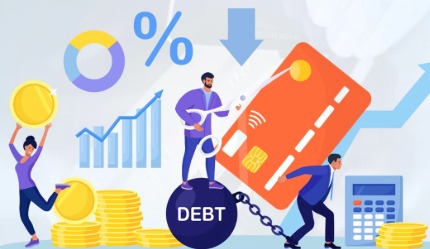
A quiet financial shift is underway in India. More people are swiping cards, using “Buy Now, Pay Later” (BNPL) options, or taking small personal loans — not for luxuries, but for groceries, fuel, and medical bills.
At Vizzve Finance, we call this the “Silent Debt” — a growing reliance on credit for everyday survival rather than comfort.
1. The Changing Face of Borrowing
Until a few years ago, loans were largely for big goals — homes, education, or weddings. Today, inflation and stagnant income growth have blurred those lines.
Data shows an increasing number of Indians using short-term personal loans and credit cards just to meet monthly household expenses.
Platforms like Vizzve Finance have observed rising inquiries for small-ticket personal loans (₹5,000–₹50,000), especially around mid-month when salaries run thin.
2. Why This Shift Is Happening
Several factors are fueling this silent credit dependence:
Inflation Pressure: Daily essentials like vegetables, gas, and milk cost more than ever.
Urban Lifestyle Costs: Rent, transport, and digital subscriptions leave less disposable income.
Ease of Digital Credit: With instant loan approvals and one-tap credit apps, borrowing feels frictionless.
Delayed Salary or Irregular Income: Freelancers and gig workers often turn to credit to bridge gaps.
While convenient, this growing comfort with short-term credit can mask deeper financial stress.
3. The Hidden Risks of Everyday Borrowing
The convenience of digital credit can quietly trap users in a debt cycle.
Missed repayments lead to interest compounding, credit score drops, and long-term borrowing dependency.
At Vizzve Finance, we emphasize that credit should complement income, not replace it.
4. Signs You’re Slipping Into Silent Debt
You might be in the “silent debt” zone if:
You’re using credit to pay for recurring monthly essentials.
You depend on one credit product to repay another.
Your EMI outflow exceeds 40% of your monthly income.
You feel anxious near billing dates.
Recognizing these signs early is key to financial control.
5. Building a Healthier Credit Habit with Vizzve Finance
Vizzve Finance encourages responsible borrowing through:
Transparent loan structures with no hidden fees.
Personalized EMI planning to match your cash flow.
Financial literacy content that helps users borrow smart, not just fast.
By understanding how and when to use credit, borrowers can turn debt into a tool — not a trap.
Conclusion
India’s silent debt story isn’t just about money — it’s about survival, adaptation, and awareness.
Credit can be empowering when used mindfully. With responsible financial habits and transparent platforms like Vizzve Finance, borrowers can regain control over their financial narrative.
❓ FAQs
Q1. What is “Silent Debt”?
Silent debt refers to the increasing reliance on small or short-term credit to fund essential daily needs, often without realizing how it accumulates over time.
Q2. How can I manage rising credit use?
Track your monthly expenses, set strict credit limits, and prioritize repaying high-interest debts first.
Q3. Can small personal loans affect my credit score?
Yes. Timely repayments help build a positive score, while missed EMIs or defaults can damage it.
Published on : 5th November
Published by : SMITA
www.vizzve.com || www.vizzveservices.com
Follow us on social media: Facebook || Linkedin || Instagram
🛡 Powered by Vizzve Financial
RBI-Registered Loan Partner | 10 Lakh+ Customers | ₹600 Cr+ Disbursed