

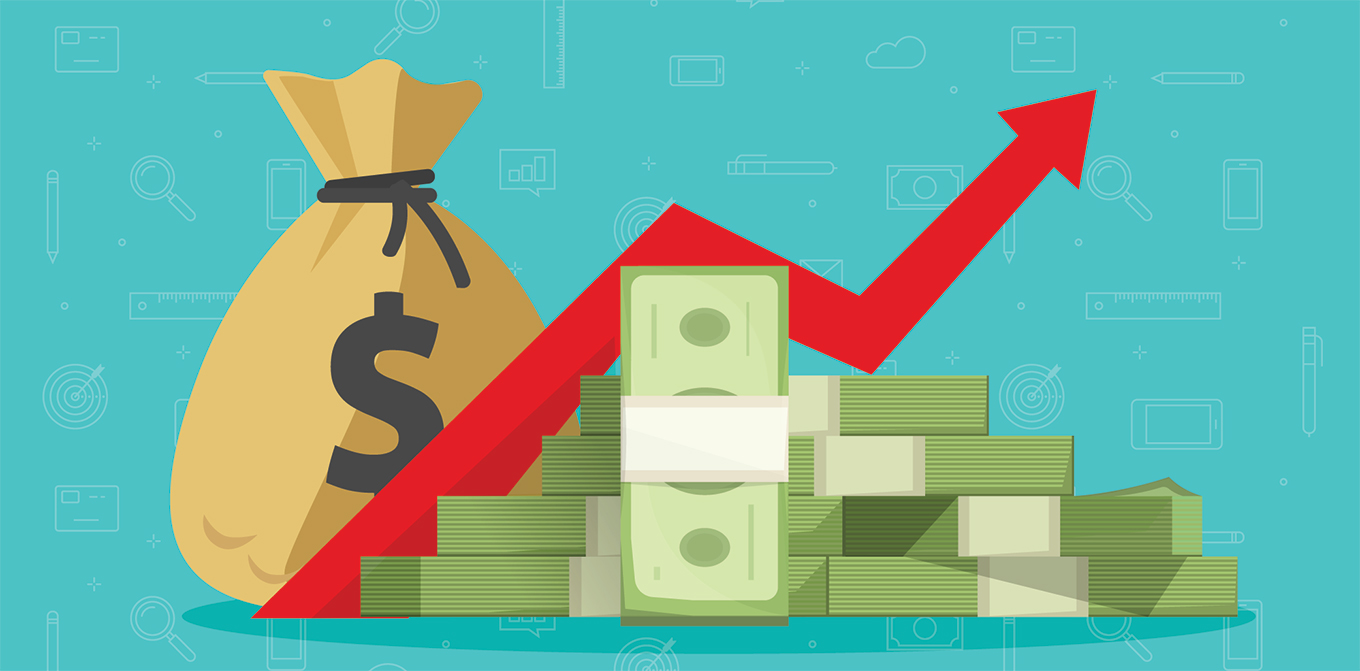
Inflation in 2025 isn’t making dramatic headlines—but it’s quietly affecting your wallet. From groceries to housing, prices are inching upward, often unnoticed until the impact is deeply felt. This subtle trend, dubbed “silent inflation”, can slowly erode purchasing power, savings, and investment returns.
🔍 What Is Silent Inflation?
Silent inflation refers to a gradual increase in prices without aggressive media coverage or government acknowledgment. It's often masked by modest CPI reports or offset by temporary subsidies, making it harder for consumers to notice until it's too late.
📈 What's Driving Inflation in 2025?
Several factors are contributing to the quiet but steady rise in inflation this year:
Geopolitical tensions affecting oil and commodity prices
Persistent supply chain disruptions, especially in tech and agriculture
Climate change-related costs pushing up food and energy prices
Rising wages amid labor shortages in key sectors
Loose monetary policy in some global markets
🛒 Everyday Signs You're Paying More
Without official alarms ringing, inflation reveals itself subtly in:
Smaller package sizes for the same price (a tactic known as shrinkflation)
Higher utility bills and transportation costs
Rising rent and home loan rates
Increased service charges in healthcare, education, and dining
💸 Impact on Your Finances
Savings lose value as purchasing power drops
Fixed-income earners struggle with stagnating wages
Investment returns may underperform inflation unless properly hedged
Debt becomes cheaper in real terms—but only if income grows
✅ What You Can Do
1. Diversify your investments:
Include inflation-resistant assets like gold, real estate, or inflation-indexed bonds.
2. Track your expenses:
Monitor price changes over time to stay aware of inflation trends.
3. Review financial goals:
Adjust savings targets and retirement plans to factor in lower currency value.
4. Increase financial literacy:
Stay informed through credible economic sources and adapt your strategy accordingly.
📊 FAQ
Q: Is inflation high in 2025?
A: While headline numbers remain moderate, underlying costs in essentials are rising—signifying silent inflation.
Q: Who is most affected by inflation?
A: Fixed-income groups, middle-class households, and those with low investment diversification.
Q: What is the safest investment during inflation?
A: Assets like gold, inflation-linked bonds, and real estate typically perform well during inflationary periods.
published on 23rdjune
Publisher : SMITA
www.vizzve.com || www.vizzveservices.com
Follow us on social media: Facebook || Linkedin || Instagram
🛡 Powered by Vizzve Financial
RBI-Registered Loan Partner | 10 Lakh+ Customers | ₹600 Cr+ Disbursed