

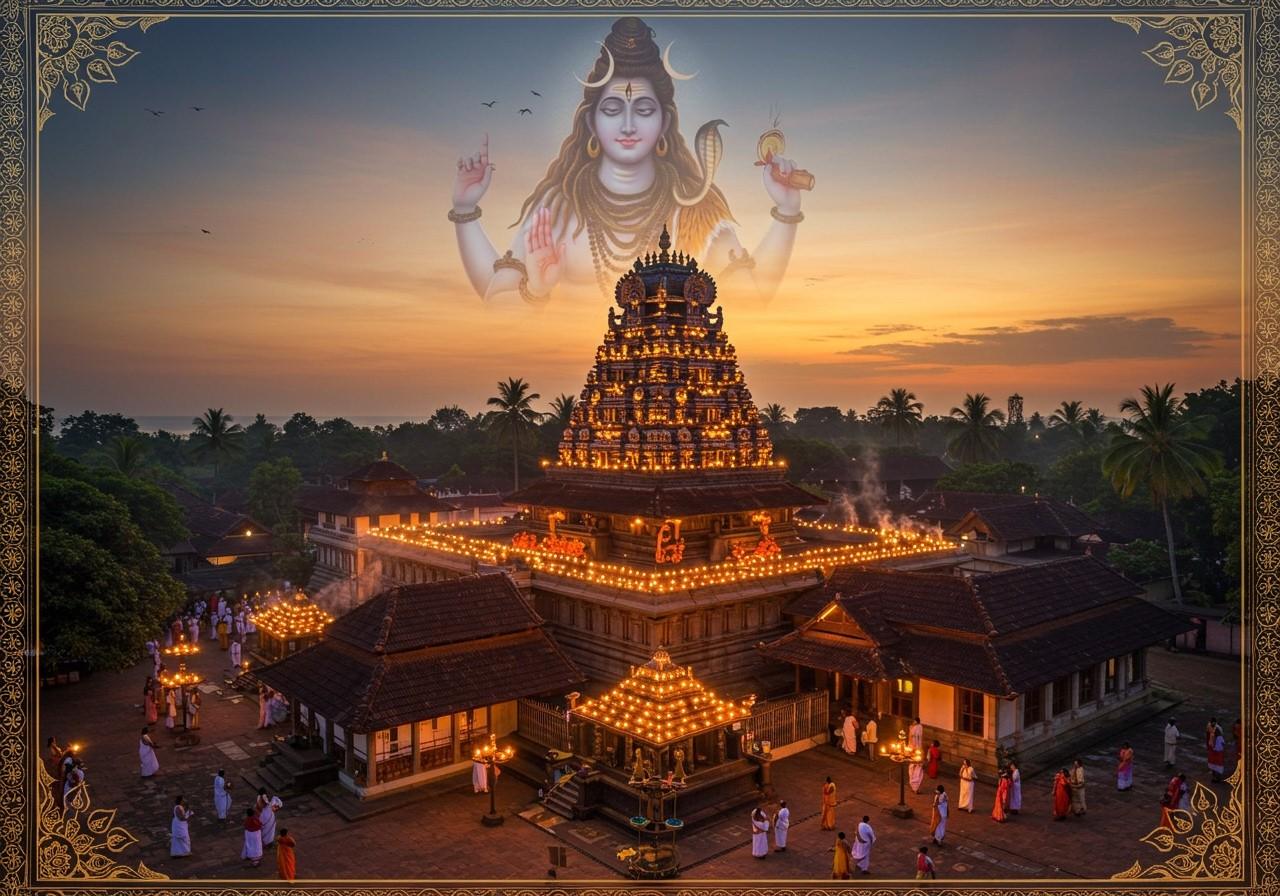
India is a land of spiritual wonders, where faith meets archaeology, and legends echo louder than time. Among its most intriguing mysteries are temples that some claim to be millions of years old, built by gods, sages, or even celestial architects. But what does history — and science — say?
Let’s unravel the enigma of ancient Indian temples that are said to predate history itself.
Mythical Origins: Temples of Eternal Existence
✦ 1. Kashi Vishwanath, Varanasi
Myth: Said to be founded by Lord Shiva himself, with no beginning or end.
Fact: The temple has been destroyed and rebuilt multiple times; current structure dates to the 18th century.
✦ 2. Thiruvannamalai Arunachaleswarar Temple (Tamil Nadu)
Myth: The temple surrounds a sacred hill believed to be the manifestation of Lord Shiva. It’s said the hill is eternal — even older than time.
Fact: Archaeological records place the temple’s core construction in the 9th century CE.
✦ 3. Sree Padmanabhaswamy Temple (Kerala)
Myth: Said to have been built by divine architect Vishwakarma and later discovered by sages.
Fact: Historical inscriptions date parts of the temple to the 6th century CE — but the underground vaults remain mysterious.
The ‘Beyond History’ Claim: What Does It Mean?
Many temples are believed to exist since the beginning of the Yugas — which, in Hindu cosmology, span millions of years. According to this belief:
Treta Yuga (1.2 million years ago): Temples like Rameshwaram said to have links to Lord Rama.
Dvapara Yuga (800,000 years ago): Temples like Dwarkadhish Temple said to be built by Krishna.
But from an academic standpoint, material evidence of such ancient construction doesn’t survive — stone erodes, civilizations evolve, and oral traditions often fill the gap.
What the Archaeology Says
Temples that seem prehistoric are usually dated using:
Carbon dating of nearby artifacts
Structural design patterns (Dravidian, Nagara styles)
Epigraphical inscriptions
For example:
Mundeshwari Devi Temple (Bihar) is considered India’s oldest functional temple, dating to 108 CE — with verified inscriptions.
Myth vs Fact – Why Both Matter
| Claim | Mythical Story | Scientific Finding |
|---|---|---|
| Kashi is eternal | Built by Shiva; survives cosmic cycles | Present temple dates to 1780s |
| Rameshwaram bridge to Lanka | Built by Vanaras under Rama’s order | A natural sand formation; debated origins |
| Padmanabhaswamy’s secret chambers | Cursed and divine; hidden gold | Trillion-rupee vault found; no full excavation yet |
🌌 Why These Myths Endure
Spiritual value > historical proof
Oral storytelling preserved them for millennia
Pilgrimage traditions keep them alive
The blend of legend and reality creates timeless allure
❓FAQs
Q1: Which is the oldest temple in India?
Mundeshwari Devi Temple in Bihar is widely accepted as the oldest functioning temple with verified inscriptions.
Q2: Are there temples from the Ramayana or Mahabharata era?
Many temples claim association, but archaeological evidence for structures from those eras is inconclusive.
Q3: What’s the mystery of Padmanabhaswamy Temple?
One of its sealed chambers (Vault B) remains unopened, surrounded by myths of curses and divine protection.
Published on : 1st August
Published by : SMITA
www.vizzve.com || www.vizzveservices.com
Follow us on social media: Facebook || Linkedin || Instagram
🛡 Powered by Vizzve Financial
RBI-Registered Loan Partner | 10 Lakh+ Customers | ₹600 Cr+ Disbursed