

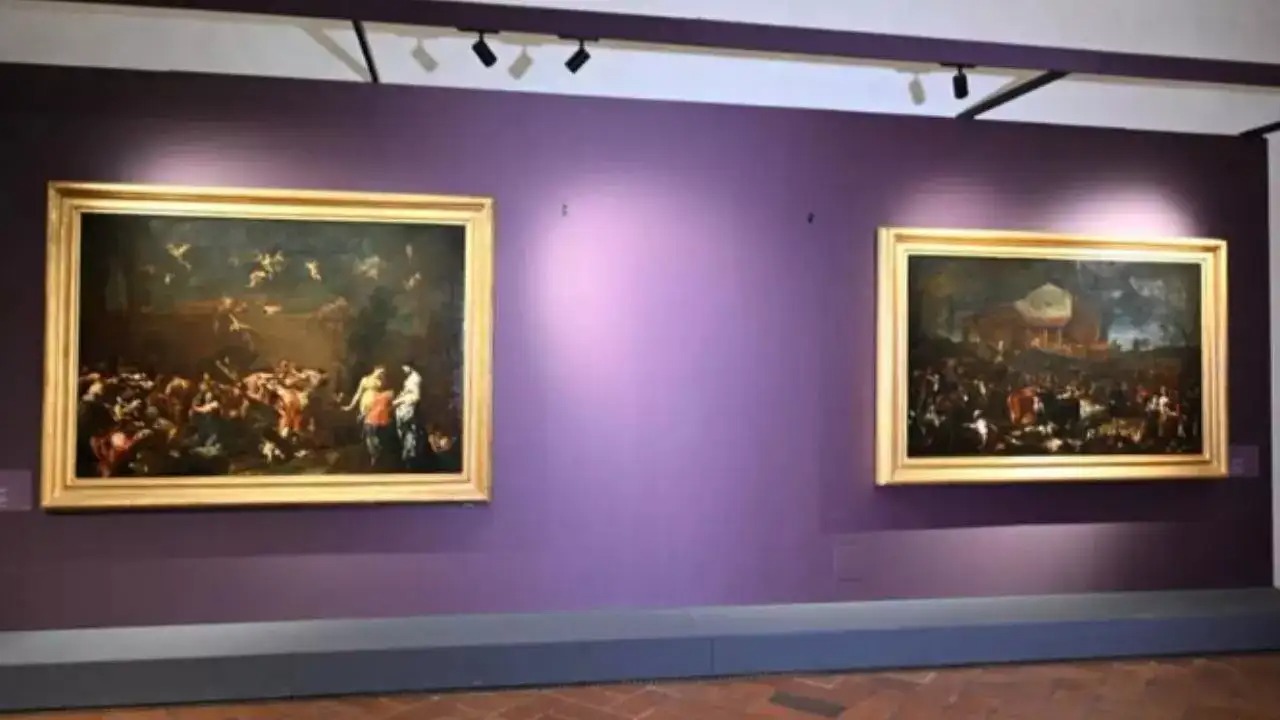
In a tragic reminder of how fragile cultural treasures can be, a 300-year-old painting has been severely damaged by a tourist visiting a historic museum in Europe. The incident, which took place earlier this week, has sparked global outrage and renewed calls for tighter museum security and visitor awareness.
What Happened?
According to eyewitness reports and security footage, the tourist leaned too closely to the canvas while trying to take a selfie. In doing so, they lost balance and fell into the painting, tearing through the artwork’s lower section. The painting, believed to be from the early 18th century, is an important piece in the museum’s Baroque collection.
Museum officials confirmed that the painting suffered "significant structural and pigment damage." Immediate conservation efforts are underway, but experts warn that full restoration may not be possible.
Why This Matters
Historic artworks are not just valuable for their beauty; they are irreplaceable cultural records. Incidents like these raise important questions:
Are museums doing enough to protect fragile exhibits?
Should there be stricter rules for photography and visitor interaction?
How can tourists be better educated about art conservation?
Museum Response and Public Reaction
The museum has not yet named the tourist involved but indicated that legal action is being considered. Public reaction on social media has been swift, with many users expressing frustration over the increasing trend of reckless behavior in cultural spaces.
Art historians and conservationists have stressed that while museums aim to be accessible, a balance must be struck between openness and protection.
What Can Be Done?
To prevent such incidents in the future, experts suggest:
Increased use of protective barriers
Mandatory briefing for tourists before entering sensitive galleries
Harsher penalties for damage, accidental or not
Some museums are even exploring AI-based visitor tracking to alert staff if guests get too close to valuable items.
FAQs
Q: Can the painting be restored?
A: Partial restoration may be possible, but full recovery of the original pigment and canvas is unlikely due to the extent of damage.
Q: Will the tourist face charges?
A: The museum has hinted at potential legal consequences, though no formal charges have been announced yet.
Q: Is photography allowed in museums?
A: Rules vary by institution. Some allow non-flash photography, while others restrict it entirely to protect fragile artworks.
Q: Has this kind of thing happened before?
A: Yes. Several incidents over the years have involved tourists damaging priceless works, often unintentionally.
published on 25th june
Publisher : SMITA
www.vizzve.com || www.vizzveservices.com
Follow us on social media: Facebook || Linkedin || Instagram
🛡 Powered by Vizzve Financial
RBI-Registered Loan Partner | 10 Lakh+ Customers | ₹600 Cr+ Disbursed