

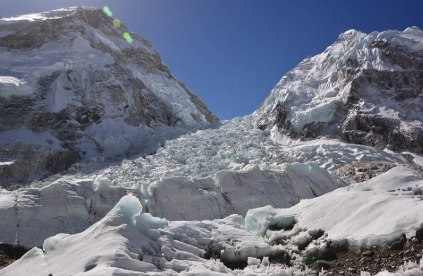
A devastating avalanche in western Nepal has claimed the lives of three people, while four others remain missing as rescue operations continue under challenging weather conditions.
According to initial reports, the avalanche struck a remote mountainous region near the Mount Manaslu range, an area frequently visited by trekkers and local herders. Heavy snowfall in recent days triggered the massive slide of ice and rock, catching the group off guard as they were moving along a narrow trail.
Local authorities and Nepalese Army teams have been deployed to search for the missing, though harsh weather and unstable snow conditions are slowing rescue efforts.
Rescue Operations Underway
Rescue helicopters have been dispatched to the site, but strong winds and poor visibility have limited their movement. Ground teams, equipped with snow sensors and search dogs, are scouring the area in hopes of locating survivors.
Officials have confirmed that at least three bodies have been recovered, while the identities of the missing individuals are yet to be released pending family notification.
The region has been put on alert as experts warn of further avalanches, given the ongoing snow accumulation in higher altitudes.
Rising Climate Concerns
Avalanches are a recurring threat in the Himalayas, but experts note that climate change and rising temperatures have intensified their frequency and unpredictability.
Melting glaciers and unstable snowpacks are increasing risks for both locals and tourists engaged in trekking and mountaineering activities. Scientists have long warned that the fragile Himalayan ecosystem is undergoing rapid change, leading to more extreme weather events and glacial hazards.
This latest tragedy once again highlights the urgent need for improved monitoring systems, early warning infrastructure, and better safety protocols in high-altitude regions.
Impact on Local Communities
The avalanche has disrupted local livelihoods, particularly those dependent on tourism and mountain trails. Several routes have been temporarily closed, and authorities are advising residents to avoid unnecessary travel in the affected zones.
Villagers near the avalanche zone are assisting rescue teams by providing logistical support, warm clothing, and shelter to those evacuated from nearby slopes.
FAQs
1. Where did the avalanche occur?
It occurred in the western Himalayan region of Nepal, near the Mount Manaslu range, an area prone to snow slides during winter and early spring.
2. How many casualties have been confirmed?
Three people have been confirmed dead, while four others remain missing as of the latest reports.
3. What caused the avalanche?
Heavy snowfall and unstable snow layers on steep slopes likely triggered the avalanche. Experts also point to changing climate patterns as a contributing factor.
4. Are rescue operations still ongoing?
Yes. The Nepalese Army, local police, and volunteers are actively searching for the missing despite difficult conditions.
5. How common are avalanches in Nepal?
Avalanches are common in Nepal’s high-altitude regions, especially during the winter months and early summer melt seasons. They are becoming more frequent due to climate variability.
Final Thoughts
The avalanche in Nepal is a stark reminder of the fragility of life in mountainous regions and the growing risks posed by a warming climate. As global temperatures continue to rise, disasters like this are expected to become more frequent and intense.
Authorities are urging climbers and trekkers to stay informed about local weather forecasts and heed safety warnings before venturing into the Himalayas.
While rescue teams continue their brave efforts, the tragedy underscores the urgent global need to address climate resilience, early warning systems, and sustainable tourism practices to safeguard both lives and livelihoods in vulnerable mountain communities.
Published on : 4th November
Published by : SMITA
www.vizzve.com || www.vizzveservices.com
Follow us on social media: Facebook || Linkedin || Instagram
🛡 Powered by Vizzve Financial
RBI-Registered Loan Partner | 10 Lakh+ Customers | ₹600 Cr+ Disbursed