

Introduction
President Donald Trump recently acknowledged the severe humanitarian crisis in Gaza, stating that "a lot of people are starving" and emphasizing the U.S. commitment to providing aid. His remarks come amid escalating violence and a deteriorating ceasefire in the region.
Current Situation in Gaza
The humanitarian situation in Gaza has reached alarming levels. Reports indicate that over 100 individuals were killed in recent Israeli airstrikes, particularly in Khan Yunis, with many victims being civilians, including children. The World Health Organization has warned of famine conditions, with over 2 million people enduring food shortages and malnutrition.
U.S. Humanitarian Aid Efforts
In response to the crisis, President Trump has pledged U.S. support for humanitarian aid in Gaza. However, the effectiveness of these efforts is complicated by recent U.S. policy decisions. Executive Order 14169, signed in January 2025, paused all foreign development assistance programs for 90 days to reevaluate U.S. foreign aid policies. While exemptions were made for life-saving humanitarian programs, the implementation of these exemptions has faced challenges.
Furthermore, reports indicate that millions of dollars in promised USAID funds have been frozen, jeopardizing ongoing aid operations in Gaza. This has left aid organizations struggling to maintain operations and provide necessary assistance to those in need.
Humanitarian Organizations' Response
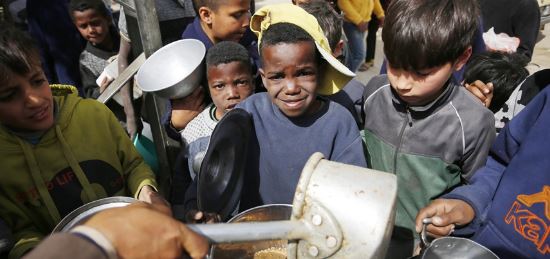
Despite these challenges, humanitarian organizations continue to operate in Gaza. The Gaza Soup Kitchen, for example, has been providing meals to thousands of families daily, often under difficult and dangerous conditions. These efforts highlight the resilience and dedication of local organizations in the face of adversity.
Path Forward
The international community faces a critical juncture in addressing the humanitarian crisis in Gaza. While U.S. support is pledged, the effectiveness of aid delivery is contingent upon the resolution of policy and logistical challenges. Collaborative efforts between governments, international organizations, and local entities will be essential to alleviate the suffering of Gaza's population and work towards a sustainable peace.
Frequently Asked Questions (FAQ)
Q1: What is the current humanitarian situation in Gaza?
The humanitarian situation in Gaza is dire, with over 2 million people facing food shortages and malnutrition. Recent Israeli airstrikes have resulted in significant civilian casualties, and the World Health Organization has warned of famine conditions.
Q2: What is Executive Order 14169?
Executive Order 14169, signed by President Trump in January 2025, paused all foreign development assistance programs for 90 days to reevaluate U.S. foreign aid policies. While exemptions were made for life-saving humanitarian programs, the implementation of these exemptions has faced challenges.
Q3: How are humanitarian organizations operating in Gaza?
Despite challenges, humanitarian organizations continue to operate in Gaza. The Gaza Soup Kitchen, for example, has been providing meals to thousands of families daily, often under difficult and dangerous conditions.
Q4: What is the U.S. government's stance on the Gaza crisis?
President Trump has acknowledged the severe humanitarian crisis in Gaza, stating that "a lot of people are starving" and emphasizing the U.S. commitment to providing aid. However, recent policy decisions have complicated the delivery of aid.
Q5: What steps can the international community take to address the Gaza crisis?
The international community can address the Gaza crisis by resolving policy and logistical challenges, ensuring the effective delivery of aid, and fostering collaborative efforts between governments, international organizations, and local entities to alleviate suffering and work towards sustainable peace.
Published on : May-05-16 By : Abhishek Rana