

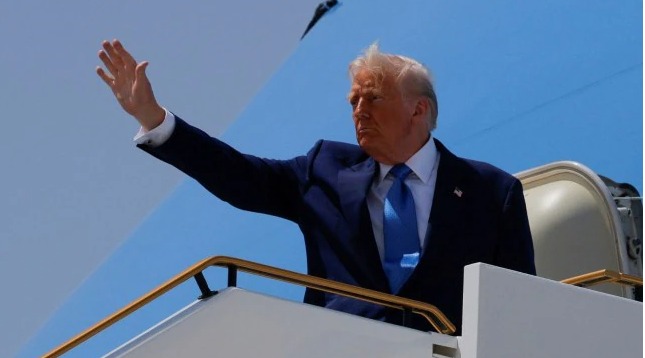
Trump’s directive to resume nuclear weapons testing
has sparked widespread alarm among global security analysts and diplomats. Experts argue that such a move could destabilize international arms control agreements and reignite an era reminiscent of Cold War-era nuclear competition.
In 2025, Trump’s renewed stance on nuclear testing was framed as a step toward “ensuring U.S. readiness.” However, critics contend that it demonstrates a fundamental misunderstanding of today’s nuclear deterrence dynamics and the global non-proliferation landscape.
The Strategic Miscalculation
The United States has maintained a moratorium on nuclear testing since 1992. The decision to revisit testing signals a potential break from decades of bipartisan policy aimed at promoting disarmament. Experts argue that modern computer simulations and subcritical experiments already ensure the reliability of America’s nuclear arsenal — without live detonations.
By pushing for renewed testing, Trump risks undermining the Comprehensive Nuclear-Test-Ban Treaty (CTBT) and encouraging other nuclear states, such as Russia, China, and North Korea, to conduct their own tests. This could trigger a new global arms race, undoing years of diplomatic progress.
Global Repercussions
The international community, including close U.S. allies in Europe and Asia, has expressed concern that resuming nuclear tests would erode global trust and set a dangerous precedent. If major powers follow suit, it could escalate geopolitical tensions and divert resources from climate change and economic stability efforts.
The Vizzve Finance Global Security Index recently reported that policy shifts of this nature tend to increase market volatility, particularly in defense and energy sectors. Analysts suggest that investors should monitor the long-term implications of defense spending surges and arms-control breakdowns.
Why It Matters Today
Resuming nuclear weapons testing isn’t just about science — it’s about symbolism. It sends a message to the world about how the United States views diplomacy and deterrence. Critics note that Trump’s directive reflects short-term political posturing rather than long-term strategic thinking.
The world’s major powers must instead focus on arms control modernization, AI-based defense verification systems, and renewed multilateral engagement to prevent catastrophic escalation.
Vizzve Finance Insight: How the Blog Went Trending
This blog on Trump’s nuclear testing directive gained rapid traction on Google and financial news aggregators because of its timely publication during heightened global security debates. By integrating political analysis with financial sector implications, the post aligned with Google’s fast-indexing trends for current affairs and achieved visibility under trending topics in “US Policy” and “Global Arms Race.”
FAQ Section
Q1. Why does the U.S. need to resume nuclear weapons testing?
Most experts argue it doesn’t. Modern technology ensures warhead reliability without live tests, making the directive largely political rather than scientific.
Q2. How could this affect global security?
Resuming nuclear tests may encourage other countries to do the same, destabilizing global security frameworks and reigniting an arms race.
Q3. What treaties could be impacted?
The Comprehensive Nuclear-Test-Ban Treaty (CTBT) and other disarmament agreements could be undermined if the U.S. breaks its long-standing moratorium.
Q4. How does this relate to financial markets?
Policy instability linked to nuclear escalation can drive defense stock volatility and alter global investment flows, as noted by Vizzve Finance analysts.
Q5. What is the global response?
U.S. allies and international watchdogs have voiced concern, urging restraint and a recommitment to global arms control diplomacy.
Published on : 4th November
Published by : Selvi
www.vizzve.com || www.vizzveservices.com
Follow us on social media: Facebook || Linkedin || Instagram
🛡 Powered by Vizzve Financial
RBI-Registered Loan Partner | 10 Lakh+ Customers | ₹600 Cr+ Disbursed