

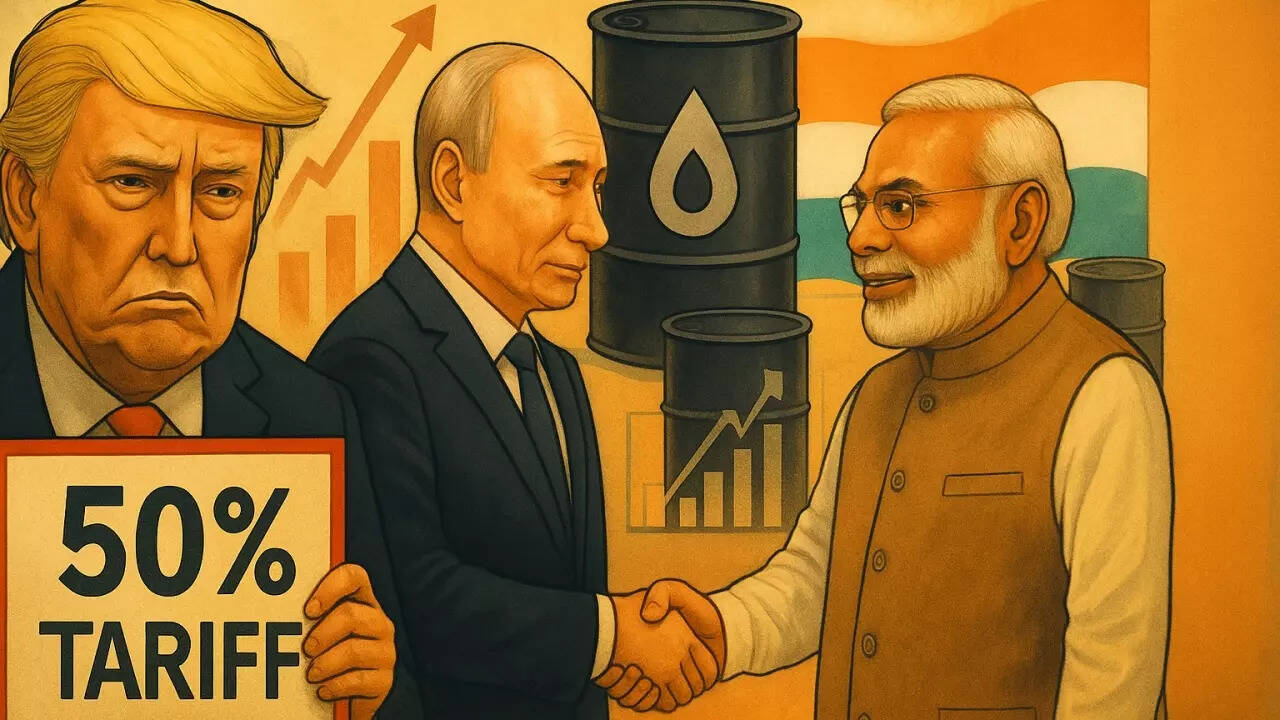
When former U.S. President Donald Trump raised the possibility of imposing new tariffs, global markets braced for turbulence. Yet, in India’s oil sector, the reaction was almost… non-existent. The resilience of India’s oil market to such political shocks reveals deeper economic and structural factors at play.
Why India’s Oil Market Didn’t Flinch
1. Diversified Oil Sourcing
India imports crude from a wide range of suppliers — including the Middle East, Russia, and Africa — reducing dependency on U.S.-linked trade.
2. Tariffs Don’t Directly Impact Crude Supply
Trump’s tariff talk was aimed at manufactured goods and certain exports, not crude oil. India’s crude trade routes remain largely unaffected.
3. Strategic Reserves & Government Policy
India has been expanding its strategic petroleum reserves, allowing it to buffer against short-term supply disruptions.
4. Long-Term Contracts Over Spot Market Exposure
Much of India’s crude is purchased via long-term agreements, insulating buyers from sudden price spikes caused by political statements.
The Geopolitical Layer
While Trump’s rhetoric may rattle some economies, India’s pragmatic energy diplomacy keeps relations stable with major oil exporters. This balance ensures steady inflows at negotiated prices, regardless of U.S. political waves.
Impact on Consumers & Industry
Consumers: Fuel prices remain stable in the short term, avoiding inflationary spikes.
Industry: Refiners can plan operations without panic buying or stockpiling.
Global Implications
India’s calm reaction signals to the world that energy security strategies can work — even in volatile political climates. This may encourage other nations to adopt multi-source oil procurement models.
Challenges Still Ahead
OPEC Decisions: Production cuts could still affect prices.
Geopolitical Risks: Escalating Middle East tensions remain a concern.
Currency Fluctuations: A weaker rupee could raise import costs despite tariff immunity.
FAQs
Q1: Does the U.S. export crude oil to India?
A1: Yes, but it’s a small portion of India’s imports compared to Middle Eastern suppliers.
Q2: Could Trump’s tariffs eventually hit the oil sector?
A2: Possible, but unlikely unless the U.S. specifically targets energy exports.
Q3: How does India protect itself from oil price volatility?
A3: Through diversified sourcing, strategic reserves, and long-term contracts.
Published on : 11th August
Published by : SMITA
www.vizzve.com || www.vizzveservices.com
Follow us on social media: Facebook || Linkedin || Instagram
🛡 Powered by Vizzve Financial
RBI-Registered Loan Partner | 10 Lakh+ Customers | ₹600 Cr+ Disbursed