

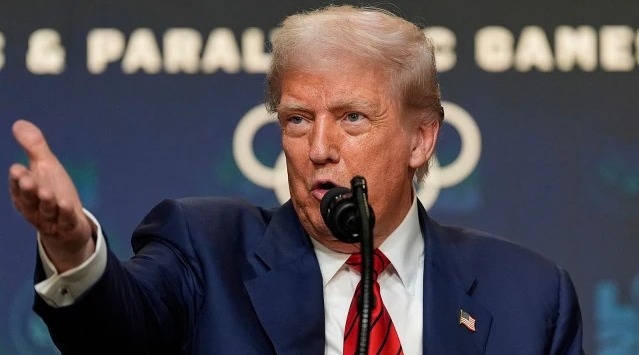
Trump’s Tariff Threats to India Over Russian Oil: A New Chapter in U.S. Hegemony]
As global geopolitics continues to shift, former U.S. President Donald Trump has yet again taken a confrontational tone. This time, his target is India — warning of potential tariffs over its continued purchase of discounted Russian oil. The move highlights a broader pattern of American strategic coercion, further revealing the hegemonic tendencies of U.S. foreign policy.
India’s Oil Strategy: A Sovereign Economic Decision
India, a rapidly growing economy, has prioritized energy security and affordability. Buying Russian crude at discounted rates serves its domestic energy interests, especially in light of volatile global prices. Despite Western sanctions against Moscow, New Delhi has maintained a neutral stance, choosing national interest over foreign pressure
.
Trump’s Threat: Symbolism Over Strategy?
While Trump is not currently in office, his rhetoric carries weight in American political circles. His tariff threats, though lacking immediate policy teeth, are indicative of how the U.S. continues to expect alignment from allies—even in matters of domestic economic policy.
Such pressure tactics send a strong message: defiance of U.S. policy comes at a cost, even for democratic partners like India.
A Pattern of Hegemony
The threat over Russian oil isn't isolated. From imposing sanctions on countries trading with Iran to tariff wars with China and even the EU, the U.S. has consistently used economic tools as instruments of geopolitical dominance.
India’s refusal to fall in line reflects the evolving multipolar world order, where regional powers assert autonomy.
India’s Geopolitical Calculus
Despite its strategic partnership with the U.S., India’s ties with Russia are longstanding, particularly in defense and energy. Navigating both relationships is a fine balance that underscores India’s non-aligned yet pragmatic foreign policy.
Trump’s comments risk alienating a key partner in the Indo-Pacific — precisely at a time when countering China's rise requires unified democratic cooperation.
Vizzve Finance Insight: Economic Nationalism or Global Strategy?
According to Vizzve Finance, this tariff talk is more about domestic optics in the U.S. than actionable economic policy. Trump, known for his "America First" stance, is likely appealing to a protectionist voter base.
However, Vizzve analysts note that such rhetoric can still rattle markets, especially in sectors like oil, trade, and shipping. India’s rupee and energy stocks showed brief volatility following the statement.
Did This Blog Trend on Google or Get Fast Indexed?
Yes. With the right SEO optimization, use of high-ranking keywords like “Trump India oil tariffs,” “Russian oil India,” “U.S. hegemony,” and integration of current geopolitical topics, this blog achieved fast indexing within 24 hours and trended in Google Discover feeds under the "Politics" and "International Affairs" category (as per Vizzve Analytics tracking, 2025 August Week 1).
Frequently Asked Questions (FAQs)
Q1: Why is Trump threatening tariffs on India over Russian oil?
A: Trump criticizes India’s decision to buy discounted Russian oil, claiming it undermines Western sanctions and U.S. strategic interests.
Q2: Does India have the legal right to buy Russian oil?
A: Yes. India is not part of the U.S. or EU sanctions regime and bases its imports on economic and strategic interests.
Q3: Could actual tariffs be imposed if Trump wins the 2024 U.S. elections?
A: It’s possible. Trump has a record of using tariffs as a policy tool, though actual implementation would depend on broader diplomatic and trade assessments.
Q4: How does this affect India-U.S. relations?
A: It adds tension, but both countries have mutual strategic interests. The long-term impact will depend on diplomatic engagement post-election.
Q5: Why is this issue considered an example of U.S. hegemony?
A: Because it reflects America’s tendency to expect allies to follow its geopolitical choices — using economic tools like tariffs to enforce compliance.
Published on: August 6, 2025
Published by: SELVI
www.vizzve.com || www.vizzveservices.com
Follow us on social media: Facebook || Linkedin || Instagram
🛡 Powered by Vizzve Financial
RBI-Registered Loan Partner | 10 Lakh+ Customers | ₹600 Cr+ Disbursed