

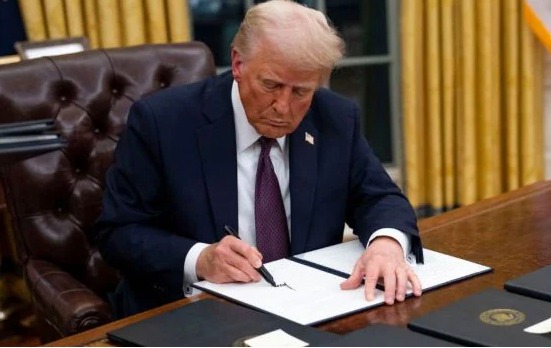
In a significant policy move aimed at bolstering America’s energy independence and clean energy ambitions, former U.S. President Donald Trump signed a series of executive orders designed to revitalize the nuclear power industry and streamline the federal approval process for energy infrastructure projects.
The executive actions, signed during a White House event, underscore the Trump administration’s broader effort to reduce regulatory hurdles and encourage investment in the domestic energy sector—particularly in nuclear energy, which had seen stagnant growth amid competition from natural gas and renewables.
“Nuclear power is clean, reliable, and absolutely vital to our national security and energy future,” Trump said during the announcement. “These orders will cut red tape, speed up approvals, and bring investment back into this critical sector.”
Key Provisions of the Executive Orders
The executive orders contain several directives aimed at expediting energy development and cutting down bureaucratic delays:
-
Accelerated Permitting: Federal agencies are required to complete environmental reviews and permitting decisions under stricter timelines.
-
Support for Advanced Nuclear Technologies: The orders encourage investment in small modular reactors (SMRs) and next-generation nuclear systems.
-
Infrastructure Focus: The administration directed agencies to prioritize energy infrastructure projects that improve national security and reduce dependency on foreign energy sources.
-
Federal-State Coordination: Agencies are encouraged to work more closely with state and local authorities to streamline project approvals.
Industry Response and Criticism
Industry leaders welcomed the orders, viewing them as a much-needed push to modernize the U.S. regulatory system and reignite innovation in nuclear technology. The Nuclear Energy Institute (NEI) praised the move, calling it a “step forward in ensuring America’s leadership in clean and secure energy.”
However, critics and environmental groups voiced concerns about potential rollbacks in environmental protections and insufficient public input in fast-tracked projects. They argue that cutting review time could risk overlooking critical safety or environmental issues.
A Broader Energy Strategy
Trump’s push for nuclear energy was part of a larger “energy dominance” agenda that aimed to maximize domestic resource development—including fossil fuels and renewables—while reducing reliance on international energy markets.
Though nuclear energy accounts for nearly 20% of electricity generation in the U.S., it has struggled with high construction costs, long build times, and regulatory complexity. The executive orders aimed to address these challenges by reforming outdated approval processes.
Looking Ahead
The long-term impact of these executive orders depends on implementation, political continuity, and support from future administrations. While they signaled a clear policy shift during Trump’s presidency, their lasting effect on nuclear energy development remains subject to evolving federal and state regulations.
1. What did the executive orders signed by Donald Trump aim to achieve?
The executive orders are intended to revitalize the U.S. nuclear energy sector and streamline the permitting and approval process for energy infrastructure projects, reducing regulatory delays and promoting domestic energy production.
2. Why is nuclear power being prioritized in these orders?
Trump's administration emphasized nuclear power as a clean, reliable, and domestically produced energy source, crucial for both energy security and economic growth, especially as the U.S. seeks to reduce dependence on foreign energy.
3. How do the executive orders change the project approval process?
The orders direct federal agencies to accelerate environmental reviews, set strict timelines, and eliminate redundant regulations to ensure faster decisions on nuclear and other energy infrastructure projects.
4. Will these changes affect safety or environmental standards?
The administration stated that safety and environmental protections will remain intact, but critics argue that accelerated reviews could compromise oversight. It remains a point of policy debate.
5. What are the potential benefits of these executive orders?
-
Faster energy project approvals
-
Increased investment in nuclear technology
-
Job creation in the energy sector
-
Enhanced energy independence for the U.S.
6. How do these orders affect ongoing or proposed nuclear projects?
Existing and proposed projects may benefit from quicker licensing and construction approvals, helping reduce cost overruns and make nuclear projects more financially viable.
7. Were these actions supported by the energy industry?
Yes, many industry stakeholders welcomed the move, citing the need for a more efficient and predictable regulatory process to attract investment and compete globally in advanced nuclear technologies.
8. Are these executive orders still in effect?
The status of these orders may vary depending on changes in administration and policy direction. Subsequent administrations may revise, revoke, or replace them based on their energy agendas.
Publish on may 24,2025 by :selvi