

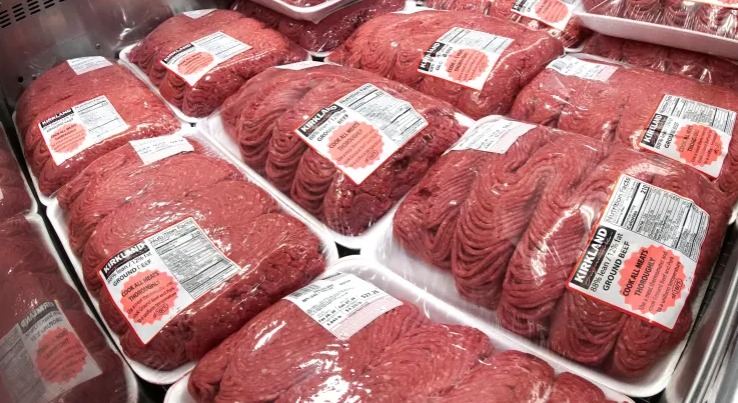
Facing increasing pressure from voters over rising food prices, US President Donald Trump has announced significant tariff cuts on essential food imports, including beef and coffee. The decision aims to ease inflationary pressure on American households ahead of a politically charged period.
The move marks one of the administration’s most direct attempts to address voter discontent tied to rising grocery bills — an issue ranking among top concerns for millions of Americans.
Why the Tariff Cuts Were Announced
Food inflation has been steadily climbing in the US, affecting everyday kitchen staples like:
Beef
Coffee
Dairy products
Packaged foods
With polling data showing voter frustration over cost-of-living issues, the administration has moved to reduce import duties on select high-demand commodities.
Trump stated that these tariff cuts are designed to "bring faster relief to families", signalling a shift in strategy toward economic pressure points affecting middle-class voters.
Which Tariffs Have Been Reduced?
While full details will be released in official notifications, the cuts primarily cover:
Imported beef products
Raw and processed coffee
Select packaged food inputs used by US manufacturers
The reductions aim to lower sourcing costs for retailers and food companies, eventually reflecting in consumer prices.
Impact on US Consumers
Economists believe the tariff cuts could lead to:
Lower grocery prices in the coming weeks
Reduced pressure on restaurants and cafés
Cheaper beef and coffee-based items for consumers
Improved supply chain stability for key food imports
However, experts warn that global commodity prices and supply issues may still limit how much savings trickle down to consumers.
Political Context: Why It Matters Now
With voter anxiety rising over inflation, the administration is seeking visible measures to restore economic confidence.
Food prices have become a key election issue, especially in swing states where kitchen-table economics heavily influence voter sentiment.
By targeting widely consumed items like beef and coffee, the government is addressing areas that directly impact household budgets.
Business & Market Reaction
Retail chains and food manufacturers have welcomed the move, expecting reduced input costs.
Meanwhile:
Grocery chains anticipate price stabilization
Coffee chains expect relief on imported raw beans
Meat processors expect improved inventory planning
Gradual price corrections may be seen over the next quarter.
FAQs
Q1. What tariffs did Trump cut?
Tariffs on beef, coffee and select food imports were reduced to address rising prices.
Q2. Why were the cuts announced now?
To ease voter frustration over high food costs and reduce inflation pressure.
Q3. Will grocery prices come down immediately?
Some relief may be seen soon, but full effects depend on global market trends and supply chains.
Q4. How will restaurants benefit?
Lower import duties reduce ingredient costs, especially for beef-based dishes and coffee beverages.
Q5. Is this part of a larger economic policy shift?
It signals a more voter-focused strategy to address cost-of-living concerns.
Published on : 15th November
Published by : SMITA
www.vizzve.com || www.vizzveservices.com
Follow us on social media: Facebook || Linkedin || Instagram
🛡 Powered by Vizzve Financial
RBI-Registered Loan Partner | 10 Lakh+ Customers | ₹600 Cr+ Disbursed
Source Credit : Bloomberg News