

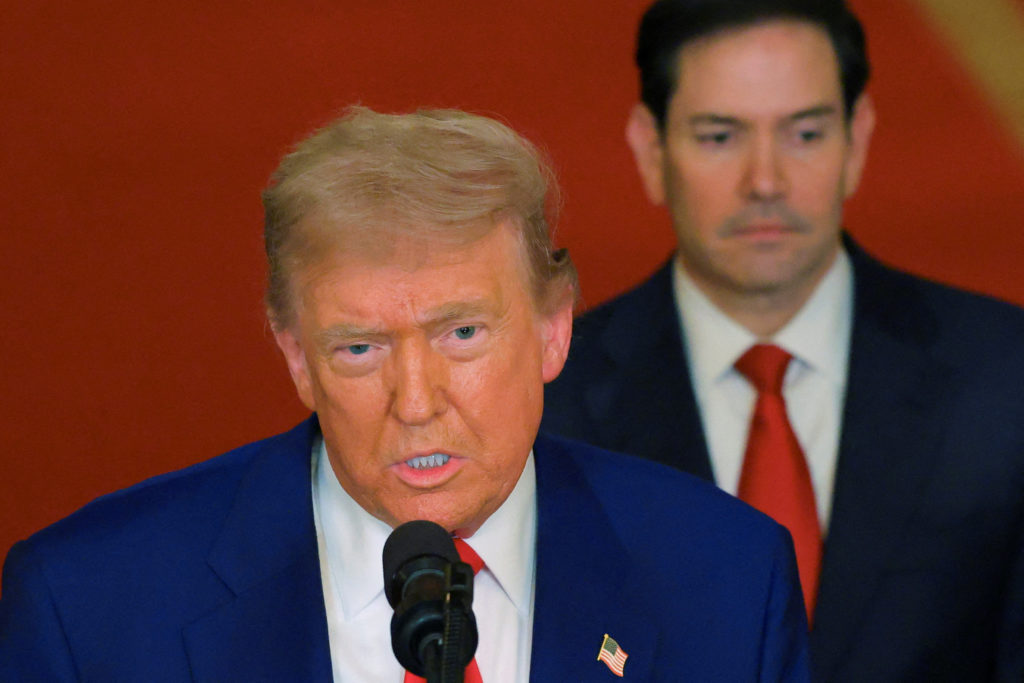
On June 23, 2025, Iran launched a missile strike targeting the U.S. Al Udeid Air Base in Qatar, yet notably offered advance warning via diplomatic channels—a gesture President Trump publicly appreciated, calling the strike “very weak” and urging both nations toward peace.
1. What Happened? The Missile Strike & Warning
Iran's response came after recent U.S. airstrikes on Iranian nuclear facilities (Fordow, Natanz, Isfahan) and Israeli involvement. Tehran reportedly fired 14 missiles, of which 13 were intercepted, and one was allowed to fly harmlessly past the base Crucially, Iran warned Qatar and the U.S. in advance, enabling protective measures .
2. Trump’s Reaction: Weak Strike, Thanks, Call for Peace
President Trump described the missile barrage as a "very weak response" that was “very effectively countered.” He emphatically thanked Tehran for the early warning, emphasizing that it "made it possible for no lives to be lost, and nobody to be injured"—a key factor in minimizing casualties
In a follow-up message on his platform, Trump wrote:
“Perhaps Iran can now proceed to Peace and Harmony in the Region, and I will enthusiastically encourage Israel to do the same.”
3. Wider Diplomatic Context: Ceasefire Ahead?
Trump announced a phased ceasefire between Iran and Israel, expected to begin early Tuesday, signaling hopes for a broader diplomatic retreat from escalating conflict While neither Tehran nor Jerusalem formally confirmed, the move follows a 12-day cycle of regional hostilities .
4. What This Means for U.S.-Iran Tensions
De-escalatory Sign: Iran's choice to ease pressure with advance notice suggests a calculated approach—demonstrating capacity without triggering a major war
Trump’s Messaging: By praising the warning and downplaying the strike, Trump is signaling restraint and an openness to diplomacy, while maintaining pressure on Tehran’s nuclear ambitions .
Regional Ripple Effects: Qatar, the GCC, and global markets responded quickly: Qatar condemned the strike, and oil prices temporarily dropped as traders perceived a reduced chance of regional escalation .
5. Implications & Future Outlook
Will the ceasefire hold? With missile activity ongoing near U.S. bases and within Israel, tensions remain high
Trump as negotiator: His public praise of Iran’s restraint and a push for peace suggest an active role in shaping de-escalation.
Broader diplomacy: This event may feed into ongoing indirect U.S.–Iran nuclear talks—part of a negotiation process that began in April 2025 via Oman mediation
Conclusion
Trump’s response to the June 23 missile attack blends military caution with diplomatic overtures. By thanking Iran—and calling for peace—he reframed a volatile military moment as an opportunity for de-escalation. As ceasefire plans evolve, much depends on whether Tehran and Jerusalem formalize the truce, U.S.-Iran negotiations resume, and all sides resist further escalation.
FAQs
Q1: Did anyone get hurt in the strike?
No casualties were reported. All U.S. personnel and Qatari civilians remained safe
Q2: How many missiles were fired?
Iran launched 14 missiles; 13 were intercepted and 1 was harmlessly allowed to bypass the base
Q3: What warning did the U.S. receive?
Advance notice was reportedly given through Qatari channels, with the U.S. informed before the strike
Q4: Is there a ceasefire?
Trump announced a phased ceasefire between Iran and Israel starting Tuesday, though it has not been confirmed by either government .
Q5: What’s next in diplomacy?
Talks are ongoing, including U.S.–Iran nuclear negotiations mediated through Oman that started in April 2025
published on 24th june
Publisher : SMITA
www.vizzve.com || www.vizzveservices.com
Follow us on social media: Facebook || Linkedin || Instagram
🛡 Powered by Vizzve Financial
RBI-Registered Loan Partner | 10 Lakh+ Customers | ₹600 Cr+ Disbursed