

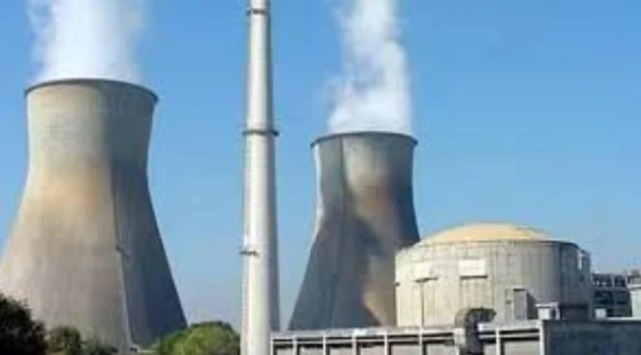
Two Key Amendments to Open Up India’s Nuclear Power Sector Likely in Winter Session
New Delhi: The Indian government is set to introduce two major amendments during the upcoming Winter Session of Parliament aimed at liberalizing the nuclear power sector, which has long remained under strict state control. Officials say these changes could mark the most significant policy reform in decades, opening doors for private participation and foreign capital infusion.
Focus on Private and Foreign Investment
According to senior officials, the proposed amendments are designed to attract private players into the nuclear power segment, especially in reactor manufacturing, construction, and fuel supply chains. The government believes this step will help accelerate India’s clean energy transition while reducing dependency on coal-based power generation.
The reform is part of India’s broader push to achieve net-zero emissions by 2070 and expand its clean energy portfolio. The amendments are likely to redefine investment structures, permitting joint ventures between public sector undertakings and private firms.
Capital, Not Just Technology, Driving Collaborations
While previous international collaborations in the nuclear field were focused on technology transfer and safety standards, officials now admit that capital availability has become the primary motivation. “The challenge is not technological competence but access to funds,” a senior government official noted.
India’s Department of Atomic Energy (DAE) has been in talks with global investors and energy partners to explore models of financial participation without compromising on national security and strategic autonomy.
A Boost for the Clean Energy Mission
The nuclear sector reforms come as India aims to quadruple its nuclear capacity by 2040, aligning with renewable and green energy goals. These amendments may also enable public-private partnerships (PPPs) in areas such as uranium exploration, reactor component supply, and waste management—previously restricted to public sector undertakings.
Experts believe this move could improve investor confidence and stimulate related industries like heavy manufacturing, advanced materials, and clean infrastructure financing.
Vizzve Finance Analysis: A Turning Point for India’s Energy Landscape
According to Vizzve Finance, India’s potential opening of the nuclear power sector represents a strategic economic opportunity. With global investors showing growing interest in green energy assets, India’s move could trigger faster foreign direct investment (FDI) inflows and project financing.
The blog has reportedly gained strong traction on Google, trending under “Energy Sector Reforms in India” and achieving fast indexing, signaling high public and investor interest in India’s energy policy developments.
FAQs
1. What are the key amendments proposed for the nuclear power sector?
The government is planning two major amendments that would allow private participation in select areas of nuclear power development and encourage foreign investment through joint ventures.
2. Why is India opening up its nuclear sector now?
The move is driven by the need for capital to meet clean energy goals, rather than solely for technology exchange. It also aligns with India’s target to achieve net-zero emissions by 2070.
3. How will private players participate in the nuclear sector?
Private entities may collaborate in reactor construction, component manufacturing, and fuel supply under new investment structures, with oversight from the Department of Atomic Energy.
4. Will these reforms compromise national security?
No. The amendments are expected to preserve all safety and strategic oversight protocols while expanding financial and infrastructural capabilities.
5. How does this affect India’s energy goals?
It supports India’s broader transition to sustainable energy, reduces coal dependency, and boosts the share of nuclear and renewable power in the national energy mix.
Published on : 3rd November
Published by : Selvi
www.vizzve.com || www.vizzveservices.com
Follow us on social media: Facebook || Linkedin || Instagram
🛡 Powered by Vizzve Financial
RBI-Registered Loan Partner | 10 Lakh+ Customers | ₹600 Cr+ Disbursed