

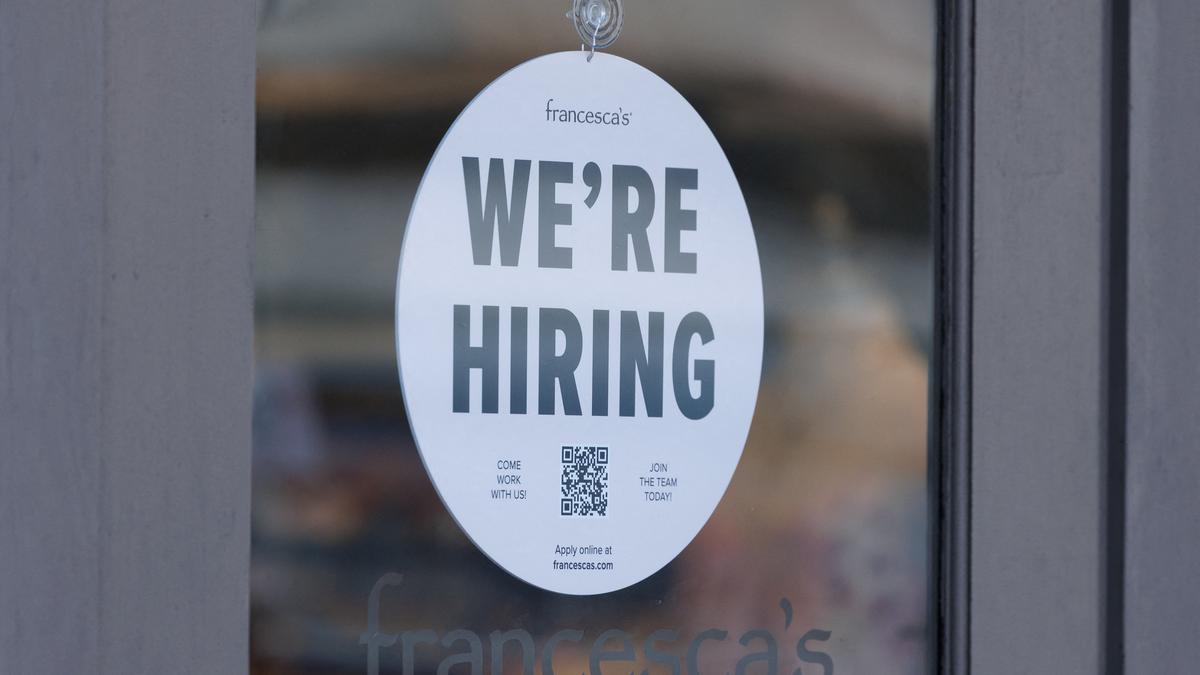
U.S. Employers Slash Hiring as Trump Advances a Punishing Trade Agenda
The U.S. job market faced a sharp slowdown in hiring during July 2025, with employers adding only 73,000 jobs, the weakest monthly gain in over two years. This hiring slump comes amid President Donald Trump’s aggressive trade policies, which include increased tariffs on imports that are creating economic uncertainty and caution among businesses.
Details from the July 2025 Jobs Report
The unemployment rate rose to 4.2%, signaling cooling demand for labor in key industries.
Job gains for May and June were revised downward by a combined 258,000 positions, indicating that previous reports overstated employment growth.
Significant hiring slowdowns were evident in sectors such as retail, manufacturing, and technology—industries sensitive to trade disruptions and tariff-induced cost pressures.
Manufacturing alone lost 11,000 jobs in July, contrary to earlier expectations that Trump's policies would bolster domestic factories.
Impact of Trump's Trade Policy on Hiring
Trump’s administration raised average U.S. tariff rates to the highest levels in over a century, with the average tariff jumping to between 18% and 21%.
These tariffs have increased operational costs for many companies, disrupted supply chains, and raised prices for consumers, all contributing to employer caution.
The resulting uncertainty has caused businesses to freeze hiring or implement layoffs, especially in industries dependent on international trade.
Broader Economic Concerns
The slowdown in hiring, combined with rising unemployment and revised downward job growth, has increased fears of a potential recession later in 2025.
Wage growth remains positive but is slowing, reflecting muted labor demand.
The Federal Reserve faces a delicate balance between controlling inflation and supporting the labor market, with market expectations shifting toward earlier interest rate cuts due to weakening job data.
Market and Policy Reactions
Equity markets reacted negatively to the report, with stock futures declining sharply after the announcement.
Analysts warn that if the hiring trend continues, it could force the Federal Reserve to adjust its monetary policy sooner than anticipated, possibly lowering interest rates to support the economy.
Economists highlight the critical role tariffs have played in dampening business confidence and hiring decisions.
Frequently Asked Questions (FAQ) About U.S. Hiring Slowdown and Trump's Trade Agenda
Q1: How many jobs were added in the U.S. in July 2025?
Only 73,000 new jobs were added—the slowest growth in over two years.
Q2: What is the current U.S. unemployment rate?
The unemployment rate rose slightly to 4.2% in July 2025.
Q3: How have Trump’s tariffs affected U.S. hiring?
Higher tariffs have increased costs and uncertainty for businesses, causing many firms to reduce or freeze hiring, especially in manufacturing and retail.
Q4: Were previous job growth numbers in 2025 revised?
Yes, May and June job gains were revised down by a combined 258,000, indicating weaker labor market conditions than initially reported.
Q5: Which sectors showed the largest hiring slowdown?
Manufacturing, retail, and technology sectors showed significant declines or stagnation in hiring.
Q6: What does this slowdown mean for the U.S. economy?
It raises concerns about an economic slowdown or recession risk, forcing policymakers to reconsider monetary policy and trade strategies.
Q7: How might the Federal Reserve respond to these employment trends?
The Fed may consider lowering interest rates sooner than expected to support economic growth amid weakening labor demand.
Published on: August 2, 2025
Published by: PAVAN
www.vizzve.com || www.vizzveservices.com
Follow us on social media: Facebook || Linkedin || Instagram
🛡 Powered by Vizzve Financial
RBI-Registered Loan Partner | 10 Lakh+ Customers | ₹600 Cr+ Disbursed