

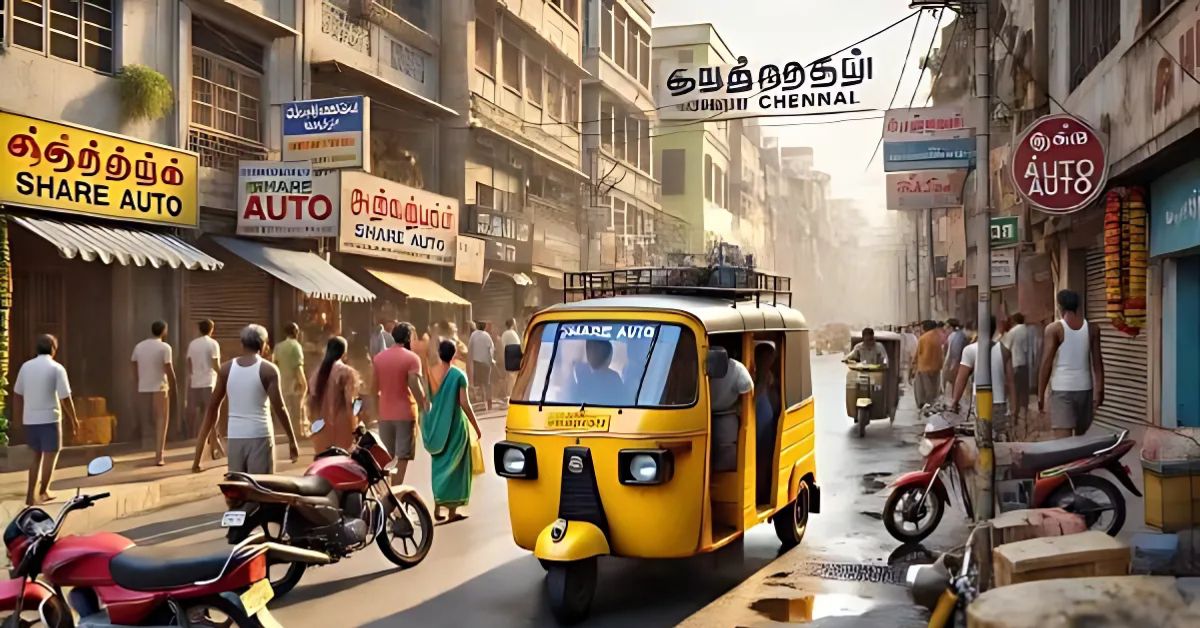
The Cost Factor: Rickshaw vs Uber
In the daily urban commute war, shared rickshaws are emerging as budget champions.
Cost Comparison:
| Mode | Cost (Short Distance – 5 km) | Surge Charges | Waiting Charges | Availability |
|---|---|---|---|---|
| Shared Rickshaw | ₹10–₹30 | No | No | High |
| Uber/Ola Auto | ₹60–₹100 | Yes | Yes | Moderate |
| Uber Car | ₹120–₹180 | Yes | Yes | High (but costly) |
Shared rickshaws win hands-down for short distances, daily commutes, and low-income-friendly urban transport.
Why Shared Rickshaws Make Financial Sense
1. Fixed & Predictable Fares
No app algorithms. No surprise surges. What you see on the board is what you pay.
2. Mass Movement = Shared Costs
You pay a fraction because 3–4 people split the ride — just like a mini public transport.
3. No Platform Fees or Convenience Charges
Unlike ride-hailing apps, shared autos don’t charge digital booking fees, service tax, or payment convenience charges.
4. Short-Haul Efficiency
Most Uber rides charge a minimum fare even for 2-km rides. Shared rickshaws are best for micro-commutes.
5. Availability at Transport Hotspots
From railway stations to colleges and tech parks, shared rickshaws are always stationed near high footfall areas.
Beyond Money: Practical Benefits
Zero App Dependency: No need for internet, battery, or waiting for OTPs
Faster Turnaround: No waiting for driver confirmations or cancellations
Eco-Friendly: Promotes carpooling-style rides, reducing fuel use per person
Local Jobs: Supports traditional auto drivers directly without middlemen
But What About Comfort?
Yes, Uber gives you:
A/c cars
Doorstep pickup
Cleaner rides
But you pay a premium for all that. For office-goers, students, and daily commuters, the savings from shared rickshaws add up to thousands per month.
Monthly Math: Real Savings
| Monthly Commute (20 days) | Uber Auto (₹100 avg) | Shared Rickshaw (₹30 avg) | Monthly Savings |
|---|---|---|---|
| To Office & Back | ₹4,000 | ₹1,200 | ₹2,800 |
That’s ₹33,600/year saved — enough for a new phone, investment, or trip.
🙋 FAQs
Q1: Are shared rickshaws safe?
Yes, especially on fixed routes during the day. Like buses, they run on common routes and have multiple passengers.
Q2: Can I book a shared rickshaw online?
In most cities, no. But some local apps are experimenting with shared auto routes. Usually, they are hailed from stops.
Q3: What cities use shared rickshaws widely?
Mumbai, Pune, Delhi, Chennai, Hyderabad, Bengaluru, and Tier-2 cities like Madurai, Nagpur, Coimbatore.
Q4: Why are Uber prices rising?
Due to surge pricing algorithms, fuel hikes, platform fees, and driver demand fluctuations.
Q5: Can shared rickshaws replace Uber entirely?
Not fully. Uber is great for long trips, airport runs, or emergencies. But for daily use, shared autos are unbeatable in value.
Published on : 6th August
Published by : SMITA
www.vizzve.com || www.vizzveservices.com
Follow us on social media: Facebook || Linkedin || Instagram
🛡 Powered by Vizzve Financial
RBI-Registered Loan Partner | 10 Lakh+ Customers | ₹600 Cr+ Disbursed