

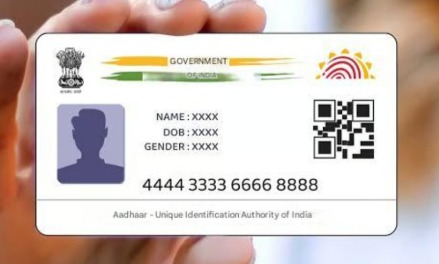
Starting November 1, 2025, the Unique Identification Authority of India (UIDAI) has rolled out three major Aadhaar rule updates aimed at strengthening data security, identity verification, and service convenience for citizens.
These changes affect how Aadhaar is updated, verified, and used across government and private services. Let’s explore the details and their impact on individuals and organizations.
1️⃣ Mandatory Biometric Re-Verification for Certain Age Groups
From now on, individuals aged 15 to 20 years and those above 70 years will need to undergo biometric re-verification to maintain the accuracy of Aadhaar records.
🔹 Why this matters:
Biometric details (fingerprints, iris scans) can change over time.
Regular re-verification ensures accurate identity matching and prevents misuse.
Citizens will receive notifications from UIDAI when their Aadhaar re-verification is due.
2️⃣ Aadhaar Address Update via DigiLocker and Mobile OTP
UIDAI has made it easier to update Aadhaar addresses online through DigiLocker integration and mobile OTP verification.
🔹 Key changes:
Users can now upload address proofs directly from DigiLocker, skipping document resubmission.
Mobile OTP-based verification is valid for minor address corrections (e.g., flat number, locality).
This move is expected to simplify the update process and reduce document fraud.
3️⃣ Tighter Aadhaar Authentication Rules for Private Entities
UIDAI has imposed stricter authentication protocols for private companies using Aadhaar data.
🔹 What’s new:
Only UIDAI-approved agencies can perform Aadhaar-based eKYC.
Entities must store transaction logs securely and cannot retain biometric data.
New penalty provisions apply for unauthorized Aadhaar use.
This rule aims to curb misuse and enhance citizen privacy protection in digital transactions.
Impact on Citizens
✅ Easier Aadhaar updates via mobile and DigiLocker.
✅ Stronger privacy and identity protection.
✅ Reduced risk of identity theft or duplicate Aadhaar records.
For individuals, these changes enhance trust in Aadhaar as a secure, single-point digital ID.
Impact on Businesses and Service Providers
⚙️ Companies using Aadhaar for customer onboarding must revalidate their systems.
⚙️ Financial institutions and telecoms must comply with updated UIDAI authentication guidelines.
⚙️ Non-compliance may lead to penalties or temporary suspension of Aadhaar access rights.
Conclusion
The new Aadhaar rules effective November 1, 2025, reflect UIDAI’s focus on security, transparency, and ease of access.
Whether you’re a citizen updating your Aadhaar or a business relying on eKYC, it’s essential to understand and comply with these updates to avoid inconvenience.
UIDAI’s proactive approach marks another step toward a safer, more efficient digital identity ecosystem for India.
FAQs
Q1. What are the new Aadhaar rules effective from November 1, 2025?
Three new rules include biometric re-verification, simplified address updates via DigiLocker, and tighter authentication norms for private companies.
Q2. Who needs biometric re-verification?
Individuals aged 15–20 years and those above 70 years must reverify their Aadhaar biometrics.
Q3. Can I update my Aadhaar address using DigiLocker?
Yes, UIDAI now allows address updates directly using verified documents from DigiLocker.
Q4. What happens if a company misuses Aadhaar data?
They may face strict penalties and risk losing UIDAI authorization for Aadhaar-based verification.
Q5. How can I check if my Aadhaar needs re-verification?
UIDAI will send SMS or email notifications to registered users when re-verification is required.
Published on : 2nd November
Published by : SMITA
www.vizzve.com || www.vizzveservices.com
Follow us on social media: Facebook || Linkedin || Instagram
🛡 Powered by Vizzve Financial
RBI-Registered Loan Partner | 10 Lakh+ Customers | ₹600 Cr+ Disbursed
https://play.google.com/store/apps/details?id=com.vizzve_micro_seva&pcampaignid=web_share