

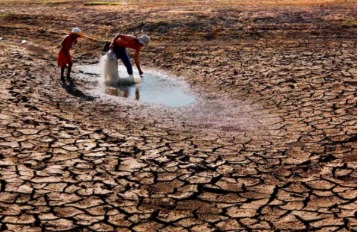
The United Nations (UN) has issued a stark warning that developing nations face a massive shortfall in climate adaptation funding, threatening their ability to cope with escalating climate-related disasters. According to the report, these countries require between US$310–365 billion annually by 2035 to strengthen resilience against climate change impacts.
However, current financial flows amount to just around US$26 billion per year, revealing a funding gap of nearly 12 to 14 times. This imbalance underscores the urgent need for global action and increased financial commitments from wealthier nations.
The Growing Burden of Climate Change
Developing nations are disproportionately affected by rising temperatures, extreme weather events, and sea-level rise, despite contributing the least to global emissions. The UN report emphasizes that without adequate adaptation funding, millions could be pushed into poverty, and critical progress in health, food security, and infrastructure could be reversed.
Climate adaptation measures — such as flood defenses, drought-resistant crops, and sustainable water systems — are essential for protecting lives and livelihoods. Yet, limited financial flows continue to hinder progress, leaving vulnerable regions exposed to escalating risks.
The Need for Scaled-Up Global Support
The report calls for increased climate finance, innovative funding mechanisms, and stronger partnerships between public and private sectors. It also urges developed economies to fulfill their climate finance pledges, made under the Paris Agreement, to support nations struggling with adaptation and mitigation challenges.
Experts highlight that bridging this gap requires not just funding but also capacity building, technology transfer, and transparent tracking of climate finance commitments.
Looking Ahead
As global temperatures continue to rise, the cost of inaction will far exceed the cost of adaptation. The UN warns that closing the funding gap is essential to achieving the goals of the Paris Agreement and ensuring a climate-resilient future for billions of people in the developing world.
Without decisive action, the growing divide in climate finance could deepen inequalities and undermine global progress toward sustainable development.
FAQs
1. What does the new UN report say about climate funding?
It states that developing nations need US$310–365 billion annually by 2035 for adaptation, but current funding is only about US$26 billion.
2. What is climate adaptation funding used for?
It supports infrastructure, agriculture, water management, and disaster preparedness to reduce vulnerability to climate impacts.
3. Who is responsible for providing this funding?
Developed nations, under international climate agreements, are expected to provide financial and technical support to developing countries.
4. Why is there such a large funding gap?
Slow disbursement, unmet pledges, and lack of private sector participation contribute to the 12–14× shortfall.
5. How can the gap be reduced?
Through stronger international cooperation, new financing models, and accountability in meeting global climate finance commitments.
Published on : 30th October
Published by : SMITA
www.vizzve.com || www.vizzveservices.com
Follow us on social media: Facebook || Linkedin || Instagram
🛡 Powered by Vizzve Financial
RBI-Registered Loan Partner | 10 Lakh+ Customers | ₹600 Cr+ Disbursed
https://play.google.com/store/apps/details?id=com.vizzve_micro_seva&pcampaignid=web_share