

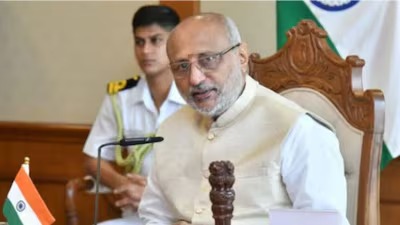
With the appointment of the new Vice President, expectations are high for impartiality, integrity, and adherence to constitutional principles. Observers emphasize that the Vice President’s primary duty is to uphold the Constitution, acting as a guardian of democracy rather than succumbing to political pressures or personal interests.
1. The Role of the Vice President in India
Serves as the Chairperson of the Rajya Sabha, ensuring smooth functioning of parliamentary proceedings.
Acts as the successor to the President in case of vacancy.
Expected to maintain impartiality and uphold democratic principles.
Should prioritize constitutional duties over political affiliations.
2. Importance of Constitutional Guidance
Safeguarding Democracy: Decisions must be aligned with constitutional provisions to protect democratic processes.
Neutrality in Governance: Avoiding partisan bias ensures fair legislative functioning.
Balancing Powers: Acts as a check between the executive and legislature, ensuring no overreach.
3. Challenges the Vice President May Face
Political Pressure: Balancing political expectations with constitutional obligations.
Public Scrutiny: Decisions are closely monitored by citizens and media.
Legislative Conflicts: Navigating contentious bills or motions without favoring any party.
4. Best Practices for Upholding the Constitution
Refer to Constitutional Guidelines: Always base decisions on legal and constitutional provisions.
Maintain Neutrality: Avoid public endorsements or political statements.
Encourage Fair Debate: Ensure all voices in the Rajya Sabha are heard and respected.
Focus on Long-Term Democratic Health: Prioritize decisions that strengthen institutions rather than short-term political gains.
FAQs
Q1: What is the primary responsibility of the Vice President?
To uphold the Constitution, chair the Rajya Sabha impartially, and act as a successor to the President if needed.
Q2: Can the Vice President participate in party politics?
While affiliated with a political party, the Vice President must act impartially in official capacities.
Q3: Why is neutrality important?
It ensures fair legislative proceedings and protects democratic principles.
Q4: How does the Vice President act as a check in governance?
By maintaining balance between executive actions and legislative oversight, ensuring no overreach occurs.
Q5: How can the public evaluate the Vice President’s performance?
Through monitoring impartiality, adherence to constitutional duties, and fairness in presiding over the Rajya Sabha.
Published on : 11th September
Published by : SMITA
www.vizzve.com || www.vizzveservices.com
Follow us on social media: Facebook || Linkedin || Instagram
🛡 Powered by Vizzve Financial
RBI-Registered Loan Partner | 10 Lakh+ Customers | ₹600 Cr+ Disbursed
https://play.google.com/store/apps/details?id=com.vizzve_micro_seva&pcampaignid=web_share