

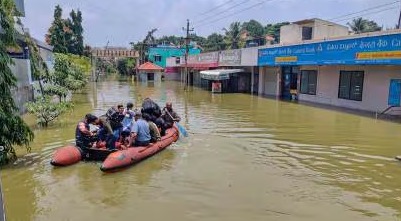
Karnataka, particularly Bengaluru and surrounding urban areas, has faced increasing instances of urban floods in recent years due to heavy monsoons, inadequate drainage, and rapid urbanization. These floods have wide-reaching consequences for both the financial sector and real estate market.
Financial Impact
Banking & Loan Portfolios:
Flood-affected areas see delayed repayments and increased non-performing assets (NPAs) in retail and property loans. Banks often face pressure to provide rescheduling options or waive penalties for affected borrowers.
Insurance Claims:
Property and vehicle insurance claims spike, increasing operational costs for insurers. Delays in claim settlements can further stress the financial system.
Business Disruptions:
Small businesses and startups in flood-prone areas experience revenue loss, impacting cash flow and creditworthiness.
Real Estate Consequences
Property Value Decline:
Properties in low-lying or flood-prone areas often see decreased demand, affecting resale and rental values.
Project Delays:
Construction projects experience delays due to waterlogging and supply chain disruptions, increasing costs for developers.
Urban Planning Challenges:
Rapid urbanization without adequate drainage or green infrastructure exacerbates flood risks, impacting long-term real estate sustainability.
Lessons for Stakeholders
For Homebuyers: Check flood risk maps before purchasing property; consider insurance coverage for natural disasters.
For Developers: Invest in flood-resilient infrastructure, better drainage systems, and green spaces to mitigate waterlogging.
For Financial Institutions: Develop contingency plans for loan restructuring and support for affected borrowers.
For Government & Urban Planners: Implement stricter building codes, sustainable drainage systems, and early warning mechanisms.
FAQ
Q1. How do urban floods impact real estate values?
A: Flood-prone areas often experience reduced demand, leading to lower resale and rental prices. Properties with better flood resilience maintain higher value.
Q2. Are banks affected by urban floods?
A: Yes, delays in loan repayments and business disruptions can increase non-performing assets for banks, especially in affected regions.
Q3. How can developers mitigate flood risks?
A: By incorporating drainage solutions, green spaces, elevated construction, and water-retention systems into project designs.
Q4. What can homebuyers do to protect themselves?
A: Check flood zone maps, opt for insurance coverage, and prioritize properties with proper drainage and flood resilience.
Q5. Why are floods becoming more frequent in Karnataka cities?
A: Rapid urbanization, insufficient drainage, unplanned construction, and climate change contribute to increased flood frequency.
Published on : 25th October
Published by : SMITA
www.vizzve.com || www.vizzveservices.com
Follow us on social media: Facebook || Linkedin || Instagram
🛡 Powered by Vizzve Financial
RBI-Registered Loan Partner | 10 Lakh+ Customers | ₹600 Cr+ Disbursed
https://play.google.com/store/apps/details?id=com.vizzve_micro_seva&pcampaignid=web_share