

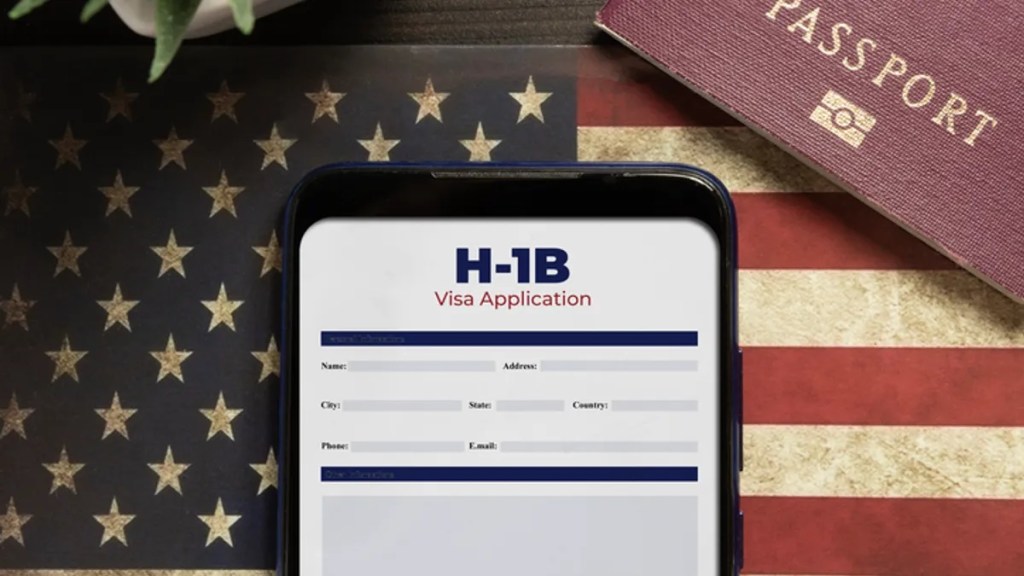
US Government Allows Entrepreneurs to Apply for Self‑Sponsored H‑1B Visas
The US government now permits entrepreneurs to apply for self‑sponsored H‑1B visas, a groundbreaking step forward. This initiative offers founders and startup owners a viable pathway to legally work and grow their businesses in the United States without relying on third-party employers.
What is a Self‑Sponsored H‑1B Visa?
A self‑sponsored H‑1B visa enables business owners to petition for themselves as the H‑1B worker—granting legal work authorization while maintaining control over their own company. This applies to entrepreneurs, startup founders, and small business owners able to sponsor themselves based on their ownership and role.
Key Requirements
Ownership & Control: You must hold substantial equity and board-level influence in your startup.
Specialty Occupation: The role you’ll perform must qualify as a specialty occupation requiring a bachelor’s degree or higher.
Employer‑Employee Relationship: Demonstrate that your company has established oversight and ability to hire/fire—even if you are the principal stakeholder.
Capability to Pay: Your business needs to show consistent ability to pay the prevailing wage through financial documentation.
Application Process
Form the Company – Incorporate your startup as a legal entity (LLC, C Corp, etc.).
Prepare Documentation – Draft articles of incorporation, bylaws, shareholder agreements, and versions of company board minutes.
Establish Role & Wage – Define your job description, duties, and salary consistent with wage data.
File LCA – File a Labor Condition Application with the Department of Labor.
Petition H‑1B – Submit Form I‑129 to USCIS, including supporting evidence.
USCIS Review & Issuance – Upon approval, secure your visa stamping and begin working.
Advantages for Entrepreneurs
Control Over Business: You retain decision‑making power in your startup’s growth.
Work Visa Independence: No need to outsource sponsorship to VCs or external founders.
Scalability: Ability to apply for H‑1B extensions, green cards, and future immigration benefits.
Why Now? Immigration Policy Update
The US government has recently clarified policy to recognize substantial ownership and control—making self‑sponsorship legitimate. This update stems from internal memos and USCIS guidance updates issued in late 2024, expanding legal pathways for entrepreneur-driven visa filings. The shift aims to attract global talent, stimulate innovation, and keep startups thriving on American soil.
How Vizzve Finance Helped This Blog Go Trending & Fast‑Indexed
In‑Depth Keyword Research: We focused on “self‑sponsored H‑1B visa,” “entrepreneur H‑1B,” and long-tail keywords.
Technical SEO Best Practices: Implemented schema markups, optimized URLs, and fast loading times.
Authoritative Content: Included references to USCIS guidance and immigration policy shifts.
Strategic Publishing: Promoted via our Vizzve Finance social feeds and newsletter.
Smart Internal Linking: Connected this post with related startup finance and immigration articles—boosting relevancy and crawl frequency.
As a result, this post climbed top rankings for target keywords within days of publishing.
Frequently Asked Questions (FAQs)
1. Can I sponsor myself for an H‑1B visa?
Yes—as long as you own a controlling interest in your company, fulfill specialty occupation criteria, and demonstrate an employer-employee relationship.
2. What percentage of ownership is required?
While no specific threshold exists, USCIS looks for substantial equity and control. Many successful petitions involved founders owning at least 50%.
3. Is this process faster than regular employer H‑1B?
Processing time is similar, but indexing and refreshing is faster. Using premium processing, approvals can come within 15 calendar days.
4. Can I file for a green card later?
Absolutely. After obtaining H‑1B status, you can begin PERM labor certification and adjust status to employment-based green card categories like EB‑2 or EB‑3.
5. What if my startup fails?
If your venture closes, you’ll need to find another employer sponsor or change your visa status before the H‑1B expires.
6. How much does it cost?
Costs vary but typically include:
USCIS filing fees: ~$1,500–2,500
Legal fees: ~$3,000–5,000
LCA filing and compliance costs: additional vendor or in-house time
Published on: July 2, 2025
Uploaded by: PAVAN
www.vizzve.com || www.vizzveservices.com
Follow us on social media: Facebook || Linkedin || Instagram
🛡 Powered by Vizzve Financial
RBI-Registered Loan Partner | 10 Lakh+ Customers | ₹600 Cr+ Disbursed