

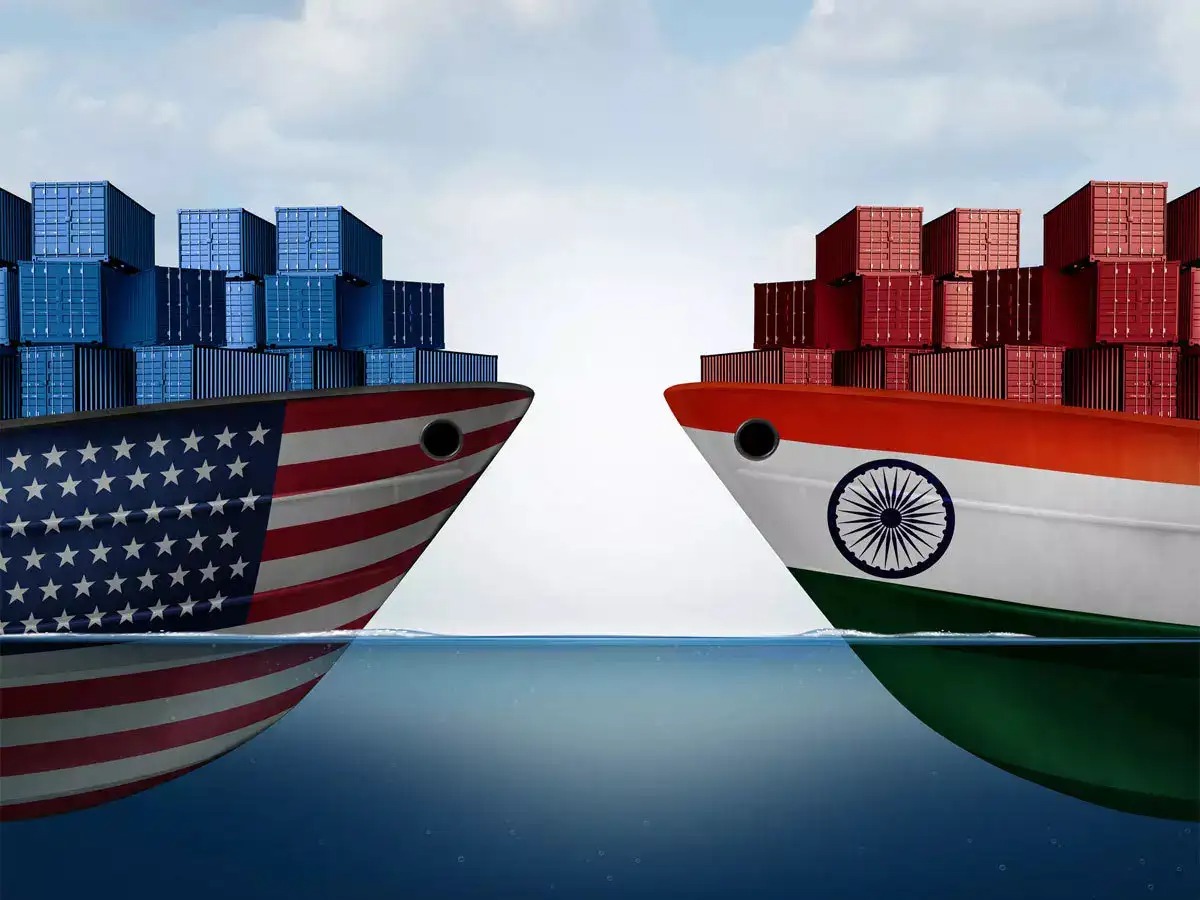
The trade relationship between the United States and India has grown steadily over the last two decades, but it has also been punctuated by disputes over tariffs, market access, and trade balances. As global supply chains shift and both economies prioritise domestic manufacturing, tariff tensions are once again in focus.
This article explores the current tariff scenario, its impact on businesses and consumers, and what lies ahead for US–India trade relations.
The Roots of Trade Tensions
Tariff Battles: The US has raised concerns over India’s tariffs on electronics, agriculture, and medical equipment, while India counters US tariffs on steel, aluminium, and other goods.
GSP Withdrawal: In 2019, the US removed India from the Generalized System of Preferences (GSP), affecting India’s duty-free exports.
WTO Disputes: Both nations have taken each other to the World Trade Organization over trade restrictions.
Current Tariff Scenario
India’s Perspective: Tariffs protect domestic industries and encourage “Make in India” manufacturing.
US Perspective: High Indian tariffs limit US exporters’ market access, prompting reciprocal measures.
New Negotiations: Recent trade dialogues are focused on reducing tariffs on critical sectors like technology, medical devices, and renewable energy equipment.
Impact on Businesses and Consumers
For Exporters: Unpredictable tariffs complicate planning and increase costs.
For Startups & SMEs: Tariff changes affect sourcing of raw materials, components, and finished goods.
For Consumers: Higher tariffs can translate to higher prices for imported goods in both countries.
Opportunities Amid Challenges
Bilateral Investment: Despite tensions, both countries continue to attract investments from each other.
Strategic Sectors: Defence, clean energy, semiconductors, and digital trade remain areas of cooperation.
FTA Talks: A potential free trade agreement or mini-deals could ease tariff burdens over time.
The Road Ahead
If handled strategically, tariff disputes can become an opportunity to negotiate balanced trade frameworks. Building trust through sector-specific agreements and focusing on complementary industries could reshape the US–India trade narrative.
FAQs
Q1. What are the main reasons for US–India trade tensions?
Disagreements over tariffs, market access, intellectual property rights, and subsidies have been key drivers of tensions.
Q2. How do tariffs impact Indian exporters?
Tariffs make Indian goods less competitive in the US market, increasing costs and reducing profit margins.
Q3. Has the US reinstated India’s GSP status?
As of now, India’s GSP benefits have not been restored, but negotiations are ongoing.
Q4. Which sectors are most affected by these trade disputes?
Agriculture, textiles, medical devices, electronics, and steel/aluminium are among the most impacted sectors.
Q5. Is a free trade agreement between the US and India likely?
Both countries have expressed interest in deeper trade cooperation, but an FTA will take time and require major concessions from both sides.
Published on : 22nd September
Published by : SMITA
www.vizzve.com || www.vizzveservices.com
Follow us on social media: Facebook || Linkedin || Instagram
🛡 Powered by Vizzve Financial
RBI-Registered Loan Partner | 10 Lakh+ Customers | ₹600 Cr+ Disbursed
https://play.google.com/store/apps/details?id=com.vizzve_micro_seva&pcampaignid=web_share