

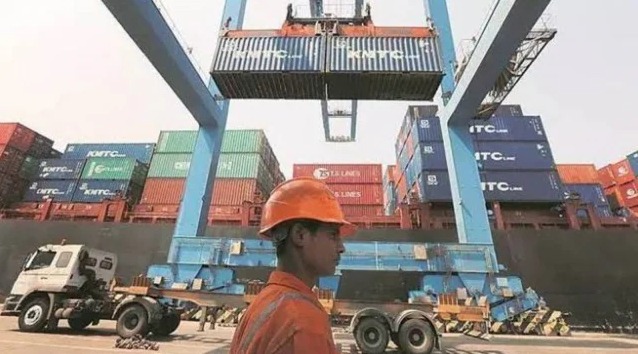
US Economic Strain Hits Indian Exporters Hard
While steep US tariffs have been making headlines, Indian exporters are quietly battling an even bigger threat — the combined impact of US stagflation and collapsing discretionary spending. The American market, once a reliable destination for Indian goods like textiles, leather products, handicrafts, and gems, is now showing signs of demand fatigue.
Stagflation: The Silent Export Killer
Stagflation — the unusual mix of stagnant growth and high inflation — is squeezing US consumers. As essentials like food, fuel, and housing take up a larger share of household budgets, spending on non-essential imports from India is shrinking. This shift in consumer priorities is directly impacting sectors that rely on American buyers for high-value, non-essential products.
Discretionary Spending Decline
In a typical healthy economy, discretionary spending drives demand for luxury, lifestyle, and cultural goods. But with the US Federal Reserve keeping interest rates high to curb inflation, borrowing costs remain steep. American consumers are choosing to save rather than spend, creating a demand crunch for Indian exporters.
Why Tariffs Aren’t the Only Problem
Tariffs may raise export prices, but they are just one piece of a bigger puzzle. Even if duties were reduced, sluggish US demand would keep order volumes low. Exporters dealing with goods that are highly sensitive to economic cycles are facing cancellations, delayed shipments, and renegotiated contracts.
Ripple Effects on Indian Economy
Job Losses in Export-Oriented Industries: Especially in SMEs that depend heavily on the US market.
Pressure on the Rupee: Lower exports mean weaker foreign exchange inflows.
Credit Stress: Exporters facing delayed payments may struggle with working capital, prompting higher borrowing costs domestically.
Vizzve Finance Insight
According to Vizzve Finance, exporters should diversify markets, explore new trade agreements, and invest in digital trade platforms to offset falling US orders. Proactive credit management and hedging against currency fluctuations can also help sustain margins during global slowdowns.
Frequently Asked Questions (FAQs)
Q1: What is stagflation and why is it bad for exporters?
Stagflation is when an economy experiences slow growth, high inflation, and high unemployment simultaneously. For exporters, it means foreign buyers have less spending power, reducing demand for imported goods.
Q2: How does falling US discretionary spending affect Indian exporters?
When Americans cut back on non-essential purchases, demand for goods like Indian textiles, jewelry, and handicrafts drops sharply.
Q3: Can Indian exporters recover quickly if US tariffs are removed?
Not necessarily. Without strong consumer demand, even lower tariffs won’t significantly boost export orders.
Q4: Which sectors are most at risk?
Textiles, gems and jewelry, handicrafts, leather goods, and certain processed foods are more vulnerable.
Q5: How can Indian exporters mitigate the risk?
Diversifying export destinations, investing in digital marketplaces, improving product competitiveness, and using trade finance solutions can help.
Published on : 12th August
Published by : Selvi
www.vizzve.com || www.vizzveservices.com
Follow us on social media: Facebook || Linkedin || Instagram
🛡 Powered by Vizzve Financial
RBI-Registered Loan Partner | 10 Lakh+ Customers | ₹600 Cr+ Disbursed