

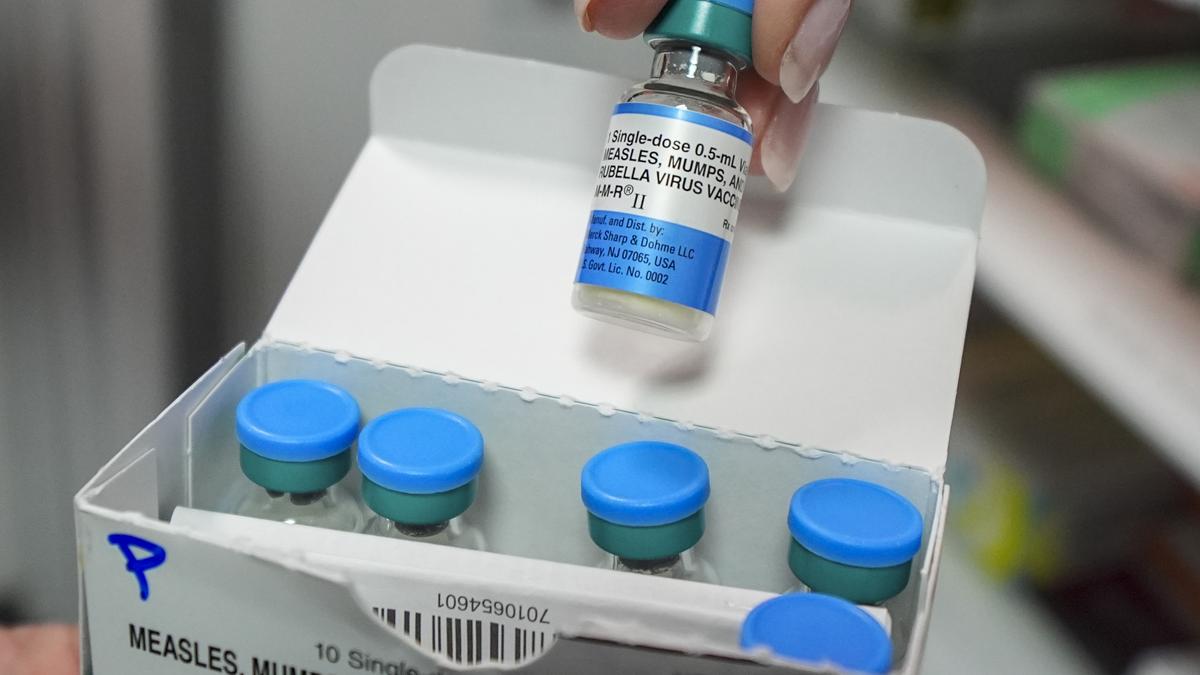
US Vaccination Rates for Measles and Other Diseases Drop Further, Government Data Says
Recent data released by the U.S. Centers for Disease Control and Prevention (CDC) indicate that vaccination rates for measles, mumps, and rubella (MMR) and other childhood diseases continue to decline across the country. This downward trend in immunization coverage comes amidst the highest measles case counts reported since its elimination from the U.S. in 2000.
Declining Measles Vaccination Coverage
The MMR vaccination rate among U.S. kindergartners decreased from 95.2% in the 2019-2020 school year to 92.5% in the 2024-2025 school year, falling below the 95% coverage target required for herd immunity to prevent outbreaks. More than three-quarters of U.S. states have MMR vaccination rates under this goal. Texas, for example, saw its coverage drop from 96.9% in 2019 to 93.2% recently, correlating with it becoming an epicenter for measles outbreaks.
Additional studies show that, at the county level, the average two-dose measles vaccination rate fell from 93.9% in 2019 to 91.3% in 2024. Vaccine exemptions, allowed on medical or non-medical grounds such as religious beliefs, have increased to 3.6% nationally, with 17 states reporting exemption rates exceeding 5%.
Rising Measles Cases and Outbreaks
In 2025, confirmed measles cases exceeded 1,300 across the U.S., making it the worst year in 25 years for the disease. The majority (92%) of cases were among unvaccinated individuals or those with unknown vaccination status. The outbreaks have primarily affected close-knit communities with low vaccination coverage.
Hospitalizations and deaths have been reported, highlighting the serious health risks posed by declining vaccination levels. Parents' exposure to misinformation about vaccine safety and efficacy has contributed to vaccine hesitancy and refusal.
Public Health Implications
The declining vaccination coverage threatens to reverse decades of progress in measles elimination and other vaccine-preventable diseases. Experts stress the importance of restoring vaccination rates to or above herd immunity thresholds through public education, addressing misinformation, and strengthening vaccine mandates in schools.
The CDC and health officials continue to recommend the two-dose MMR vaccine as the most effective protection against measles, urging parents to vaccinate children promptly and consult healthcare providers.
Frequently Asked Questions (FAQ) About US Vaccination Rate Declines and Measles Outbreak
Q1: What are the current measles vaccination rates in the US?
The national MMR vaccination coverage among kindergartners declined from 95.2% in 2019-2020 to 92.5% in 2024-2025, below the 95% herd immunity goal.
Q2: Why is the 95% vaccination rate important?
A 95% vaccination coverage is considered necessary to maintain herd immunity that prevents measles outbreaks by limiting virus transmission.
Q3: What are the consequences of declining vaccination rates?
Lower vaccination rates increase the risk of measles outbreaks, leading to higher infection rates, hospitalizations, and even deaths, especially among unvaccinated children.
Q4: How many measles cases have been reported recently?
As of mid-2025, over 1,300 confirmed measles cases have been reported nationwide, the highest in 25 years since measles elimination in 2000.
Q5: What factors contribute to the vaccination decline?
Misinformation about vaccine safety, increasing exemptions for religious or personal beliefs, and declining trust in health authorities contribute to reduced vaccination coverage.
Q6: What is being done to address the vaccination drop?
Health authorities are increasing educational outreach, promoting vaccination in schools, combating misinformation, and encouraging parents to follow recommended vaccine schedules.
Published on: August 1, 2025
Published by: PAVAN
www.vizzve.com || www.vizzveservices.com
Follow us on social media: Facebook || Linkedin || Instagram
🛡 Powered by Vizzve Financial
RBI-Registered Loan Partner | 10 Lakh+ Customers | ₹600 Cr+ Disbursed