

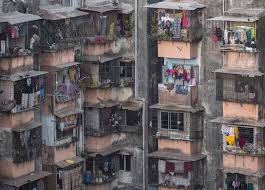
🚶♀️ Walk to Work in a Slum-Free Megacity: India's Urban Dream is Taking Shape
India is reimagining its cities—not just as concrete jungles or economic hubs—but as inclusive, livable, and sustainable megacities, where citizens can walk to work, live in dignified housing, and enjoy urban infrastructure that works for all.
At the heart of this vision lies two transformative goals:
Slum-free cities and walk-to-work ecosystems—driven by policies, innovation, and massive urban investments.
🌇 What Is the “Walk to Work” Urban Model?
The walk-to-work concept integrates residential, commercial, and recreational spaces within walkable distances, reducing the need for long commutes and promoting healthier, more productive lifestyles.
Key Features:
Mixed-use zoning: housing, offices, and retail in one locality
Prioritization of pedestrian-friendly infrastructure
Public transport connectivity and reduced vehicle dependency
Proximity to essential services: schools, hospitals, and markets
This model addresses traffic congestion, urban pollution, and time lost in travel—while improving quality of life and urban sustainability.
🏙️ What Does a Slum-Free Megacity Look Like?
India’s mission for slum-free cities is rooted in the idea of affordable, formal housing for every urban resident, especially the marginalized.
The government’s focus areas:
In-situ slum redevelopment under schemes like PMAY-Urban
Upgrading civic amenities: clean water, sanitation, electricity
Promoting rental housing and inclusive zoning laws
Public-private partnerships for urban housing supply chains
These initiatives aim to transform informal settlements into formal, serviced communities with dignity, safety, and opportunity.
🌏 Why It Matters: Economic, Environmental & Social Benefits
A well-planned, slum-free megacity where people can walk to work has immense benefits:
✅ Reduces carbon footprint and transport emissions
✅ Boosts productivity by saving commute time
✅ Improves public health through walkability and green spaces
✅ Enhances social equity with dignified housing for all
✅ Stimulates job creation through local economies and infrastructure
By 2030, India’s urban population is projected to exceed 600 million. A shift toward sustainable urban ecosystems is not optional—it's essential.
❓ FAQs: Walk to Work in a Slum-Free Megacity
Q1: What does “Walk to Work” mean in urban development?
It refers to a city design where residential and work spaces are close enough to eliminate long commutes—encouraging walking, biking, or short transit rides.
Q2: Why is a slum-free city important for India?
Slum-free cities offer better health, safety, and economic opportunities for all citizens, especially the urban poor, while enhancing city aesthetics and functionality.
Q3: How is India achieving this vision?
Through urban missions like Smart Cities, PMAY-Urban, Affordable Rental Housing Complexes, and new urban masterplans promoting mixed-use development.
Q4: Will this increase the cost of living?
Not necessarily. Government-led subsidies, rental housing schemes, and mixed-income developments are designed to ensure affordability and inclusivity.
Q5: Which cities are leading this transformation?
Pune, Ahmedabad, Indore, Hyderabad, and Bengaluru are actively piloting walk-to-work zones and slum redevelopment models.
www.vizzve.com || www.vizzveservices.com
Follow us on social media: Facebook || Linkedin || Instagram