

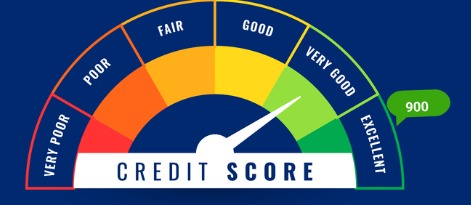
In 2025–26, lenders are tightening their risk norms, making credit score more important than ever. Whether you are applying for a home loan, personal loan, car loan or credit card, your credit score directly influences not just approval—but the interest rate and EMI you pay.
A strong score (typically 750 and above) can unlock lower interest rates, reduce EMIs, improve loan eligibility and even help you negotiate better terms with banks.
Here’s how it works.
Why Credit Score Matters for EMI
Your credit score tells lenders:
How reliable you are with repayments
Whether you have handled credit responsibly
If you are likely to repay their loan on time
A high score means low risk, so lenders reward you with cheaper interest rates.
Even a 0.50% interest drop can reduce your EMI significantly—especially for large loans like home loans.
How a High Credit Score Lowers Your Interest Rate
Banks use risk-based pricing in 2025–26.
This means:
| Credit Score Range | Typical Impact on Interest Rate |
|---|---|
| 750–900 | Lowest interest rates, best offers |
| 700–749 | Standard interest rates |
| 650–699 | Higher interest rates, stricter approvals |
| Below 650 | High rejection chances |
A high score can reduce your rate by 0.50% to 1.50%, depending on the loan type.
Example: How EMI Drops with a Better Score
Home Loan Example
Loan amount: ₹40 lakh
Tenure: 20 years
| Score Category | Interest Rate | EMI |
|---|---|---|
| High Score (750+) | 8.0% | ₹33,458 |
| Medium Score (680–720) | 9.0% | ₹35,997 |
| Low Score (<650) | 11% | ₹41,199 |
Savings due to strong credit score: up to ₹7,700 per month & ₹18 lakh across tenure.
Benefits of a Strong Credit Score in 2025–26
✔ Lower EMIs
Reduced interest rate means smaller monthly payments.
✔ Better Negotiation Power
You can ask banks to match competitor rates.
✔ Faster Loan Approvals
High scores reduce documentation and verification time.
✔ Higher Loan Amount Eligibility
Banks trust high-score borrowers with bigger loans.
✔ Access to Premium Products
Top-tier credit cards, flexible EMIs and balance-transfer offers.
Which Loans Benefit the Most?
Home loans (maximum EMI savings)
Car loans
Personal loans
Business loans
Credit card EMIs
Risk-based pricing affects all lending categories in 2025–26.
How to Increase Your Credit Score Quickly
✔ Pay all EMIs/credit card bills on time
✔ Keep credit utilization below 30%
✔ Avoid too many loan applications
✔ Keep old credit cards open (longer history)
✔ Check and correct errors in your credit report
A 20–50 point improvement in your score can unlock cheaper rates.
FAQs
Q1. What is the ideal credit score to get the lowest EMI?
A score of 750+ gives access to the best rates.
Q2. Does a high credit score guarantee loan approval?
No, but it greatly increases your chances.
Q3. Can my EMI reduce without refinancing?
Some banks reduce rates automatically for high-score customers, but most require a balance transfer.
Q4. How often should I check my credit score?
At least every 3 months to track changes.
Q5. Does checking my credit score lower it?
No. Only hard inquiries by banks affect your score.
Published on : 15th November
Published by : SMITA
www.vizzve.com || www.vizzveservices.com
Follow us on social media: Facebook || Linkedin || Instagram
🛡 Powered by Vizzve Financial
RBI-Registered Loan Partner | 10 Lakh+ Customers | ₹600 Cr+ Disbursed