

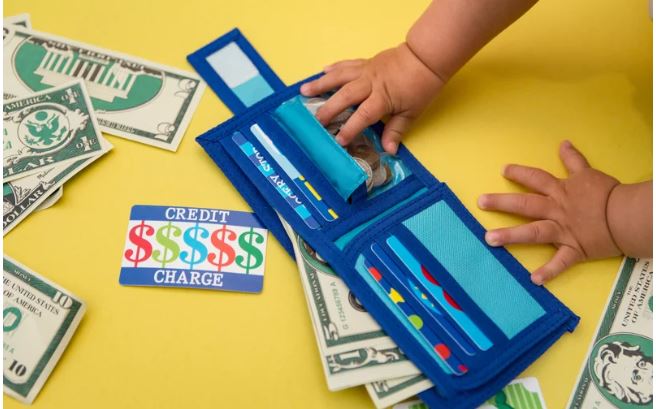
Want to Teach Your Kids About Money? Start by Including Them in the Conversation
Most parents want their children to grow up financially responsible—but many wait too long to start the money talk. The truth? One of the best ways to teach kids about money is to simply talk about it.
Whether you’re paying bills, grocery shopping, or planning a family vacation, involving your child in financial conversations helps normalize money as a part of everyday life—not a taboo subject.
Here’s how to get started.
1. Talk About Money Early—and Often
Children as young as five can understand:
What money is used for
That earning comes before spending
That saving leads to future rewards
Use everyday situations to talk about where money comes from and where it goes.
Example: “We’re using our money to buy groceries, so we can cook dinner instead of eating out—that saves us more over time.”
2. Involve Them in Small Financial Decisions
When shopping, ask:
“Do we need this, or do we want it?”
“Which one is a better deal?”
“If we spend here, what can we not buy later?”
These real-time choices build critical thinking and budgeting instincts.
3. Be Transparent (Within Reason)
You don’t have to reveal your full bank balance. But you can share:
How much things cost
Why budgeting is important
How you make choices between expenses and savings
Tip: Kids learn best through your modeling. If they see you save, compare prices, and budget, they’ll follow.
4. Encourage Questions—Don’t Avoid Them
When your child asks, “How much money do we have?” or “Why can’t we buy that?”—that’s an opportunity. Avoid saying “We can’t afford it” as a shutdown. Instead, say:
“We’re saving for something more important”
“Let’s plan and see if we can fit it in next month”
These replies foster goal-setting and delayed gratification.
5. Connect Goals With Money Behavior
Set short-term financial goals with your child like:
Saving ₹100 for a toy
Donating part of their allowance
Comparing prices for a birthday gift
Linking these actions to conversations helps kids see the outcome of smart decisions.
6. Make It a Habit, Not a One-Time Talk
Discuss money weekly. Bring it up casually:
During grocery shopping
While paying utility bills
When using ATMs or mobile wallets
While setting goals for birthday or festival gifts
Consistency builds confidence and comfort around money management.
Conclusion: Real Money Lessons Begin at Home
Kids don’t need financial lectures—they need real-world examples and inclusive conversations. By inviting your children into everyday money talks, you build their financial vocabulary, values, and decision-making skills for life.
Start small. Stay consistent. Let money be a normal part of family conversations, not a secret.
❓ FAQs: Teaching Children Through Money Conversations
1. At what age should kids start learning about money?
As early as age 4–5, using simple concepts like saving, spending, and needs vs. wants. Conversations should evolve with age.
2. What’s the best way to make money conversations natural?
Talk during everyday moments—shopping, budgeting, or bill payments. Keep the tone positive, curious, and judgment-free.
3. How much financial detail should I share with my child?
Share enough to explain value, cost, and budgeting. For younger kids, keep it simple. For teens, discuss saving goals, bank accounts, and income planning.
4. Should I talk about financial mistakes too?
Yes—age-appropriate discussions about mistakes and learning from them help children develop a realistic understanding of financial responsibility.
5. What if I’m not confident in my own money skills?
You don’t need to be a finance expert. Be honest, and learn together. Exploring budgeting, saving, or investing with your child can benefit you both.
Published on: July 02, 2025
Uploaded by: Pankaj
www.vizzve.com || www.vizzveservices.com
Follow us on social media: Facebook || Linkedin || Instagram
🛡 Powered by Vizzve Financial
RBI-Registered Loan Partner | 10 Lakh+ Customers | ₹600 Cr+ Disbursed