

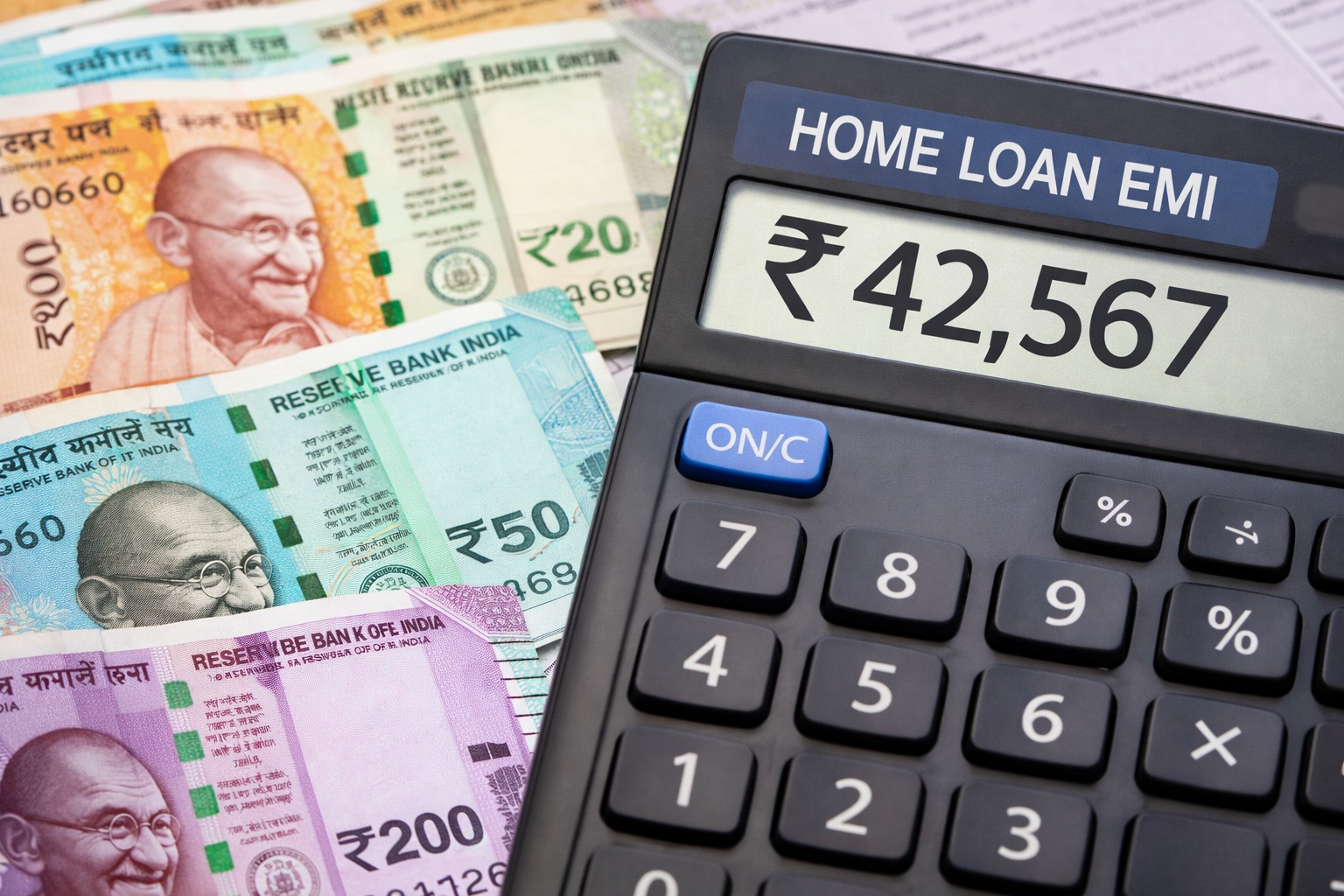
A falling Indian Rupee doesn’t just impact fuel prices or foreign travel. It can quietly influence your loan costs, monthly EMIs, and future borrowing rates. While your existing fixed EMI may not change overnight, the broader effects of currency weakness can shape interest rates in the economy.
Here’s how it works in simple terms.
Quick Answer
Weak rupee can increase inflation.
Higher inflation may push interest rates up.
Rising interest rates can make new loans and floating-rate EMIs costlier.
Fixed-rate loans stay unchanged, but future borrowing becomes expensive.
India’s monetary policy is managed by the Reserve Bank of India, which adjusts key rates to control inflation and currency volatility.
Step-by-Step: From Weak Rupee to Higher EMIs
1. Rupee Falls → Imports Get Costly
India imports oil, electronics, machinery, and many raw materials. When the rupee weakens, all these become more expensive.
2. Costlier Imports → Higher Inflation
Rising fuel and goods prices increase overall inflation in the economy.
3. Higher Inflation → Possible Rate Hikes
To control inflation, the central bank may raise policy interest rates.
4. Higher Rates → Costlier Loans
Banks increase lending rates, which impacts:
Home loans (floating rate)
Personal loans
Business loans
Result: Your EMI may go up if your loan has a floating interest rate.
Impact on Different Types of Loans
| Loan Type | Effect of Weak Rupee |
|---|---|
| Fixed-rate home loan | No immediate change |
| Floating-rate home loan | EMI or tenure may increase |
| Personal loan (new) | Higher interest rates possible |
| Car loan | Slight rate increase likely |
| Education loan abroad | Much higher cost due to currency + rates |
Real Example
Suppose your home loan is ₹40 lakh at a floating rate of 8.5%.
If rates rise by 0.5% due to inflation pressure:
Your EMI could increase by ₹1,200–₹1,500 per month
or
Your loan tenure may extend by several months if EMI is unchanged
Over years, this adds up to lakhs in extra interest.
Who Feels the Biggest Impact?
Borrowers with large floating-rate home loans
People planning new loans during high inflation
Students paying foreign university fees
Businesses with foreign currency loans
Who Is Less Affected?
Fixed-rate loan holders
People with small or short-term loans
Borrowers who prepay regularly
Smart Ways to Protect Yourself
Choose fixed or hybrid rates when uncertainty is high
Make part-prepayments to reduce principal
Keep an emergency fund for EMI shocks
Avoid over-borrowing at peak interest cycles
Pros and Cons of Rate Hikes Triggered by Weak Rupee
Pros
Controls runaway inflation
Stabilizes currency over time
Protects long-term economic balance
Cons
Higher EMIs for borrowers
Slower demand for homes and cars
Increased financial stress for households
Key Takeaways
Weak rupee doesn’t change your EMI directly, but inflation might.
Floating-rate loans are most vulnerable to rate hikes.
Fixed-rate borrowers stay protected in the short term.
Planning and partial prepayment can reduce long-term burden.
When Should You Worry?
You should pay close attention if:
Your loan is floating-rate
Inflation stays high for many months
Multiple rate hikes happen in a short period
Otherwise, moderate currency moves usually create gradual, manageable changes.
Practical Borrower Checklist
Review your loan type (fixed vs floating)
Track interest rate announcements
Calculate EMI impact of a 0.5–1% rate rise
Consider refinancing if rates drop later
Conclusion
A weak rupee sets off a chain reaction: higher import costs, rising inflation, and potentially higher interest rates. For borrowers, this means floating-rate EMIs can creep up over time.
The good news? With smart planning—like choosing the right rate type, prepaying when possible, and avoiding excessive debt—you can stay ahead of currency-driven rate cycles and keep your finances stable.
Frequently Asked Questions (FAQs)
1. Does a weak rupee directly increase my EMI?
Not directly, but it can raise inflation which may lead to higher interest rates and EMIs.
2. Which loans are most affected?
Floating-rate home and personal loans.
3. Are fixed-rate loans safe from rupee impact?
Yes, their EMIs stay the same during the fixed period.
4. Why do interest rates rise when the rupee falls?
Because inflation increases due to costlier imports.
5. Will my EMI increase immediately after rupee falls?
Only if banks raise lending rates after policy rate hikes.
6. Can my EMI stay same but loan period increase?
Yes, some banks extend tenure instead of raising EMI.
7. Do education loans for studying abroad get costlier?
Yes, both currency conversion and interest costs rise.
8. Should I switch to a fixed-rate loan now?
It can help if you expect more rate hikes.
9. How much can EMI increase after a rate hike?
Even a 0.5% rise can add ₹1,000+ per month on big loans.
10. Is prepayment a good idea during high rates?
Yes, it reduces total interest burden.
11. Do car loans also get affected?
Yes, but usually less than long-term home loans.
12. Can interest rates fall again later?
Yes, when inflation and currency pressures ease.
13. Should I delay taking a new loan?
If possible, waiting for rate stability can save money.
14. How can I protect my budget from EMI shocks?
Keep an emergency fund and avoid over-borrowing.
15. Is a weak rupee always bad for borrowers?
It’s challenging short term, but smart planning reduces impact.
Published on : 30th January
Published by : SMITA
www.vizzve.com || www.vizzveservices.com
Follow us on social media: Facebook || Linkedin || Instagram
🛡 Powered by Vizzve Financial
RBI-Registered Loan Partner | 10 Lakh+ Customers | ₹600 Cr+ Disbursed