

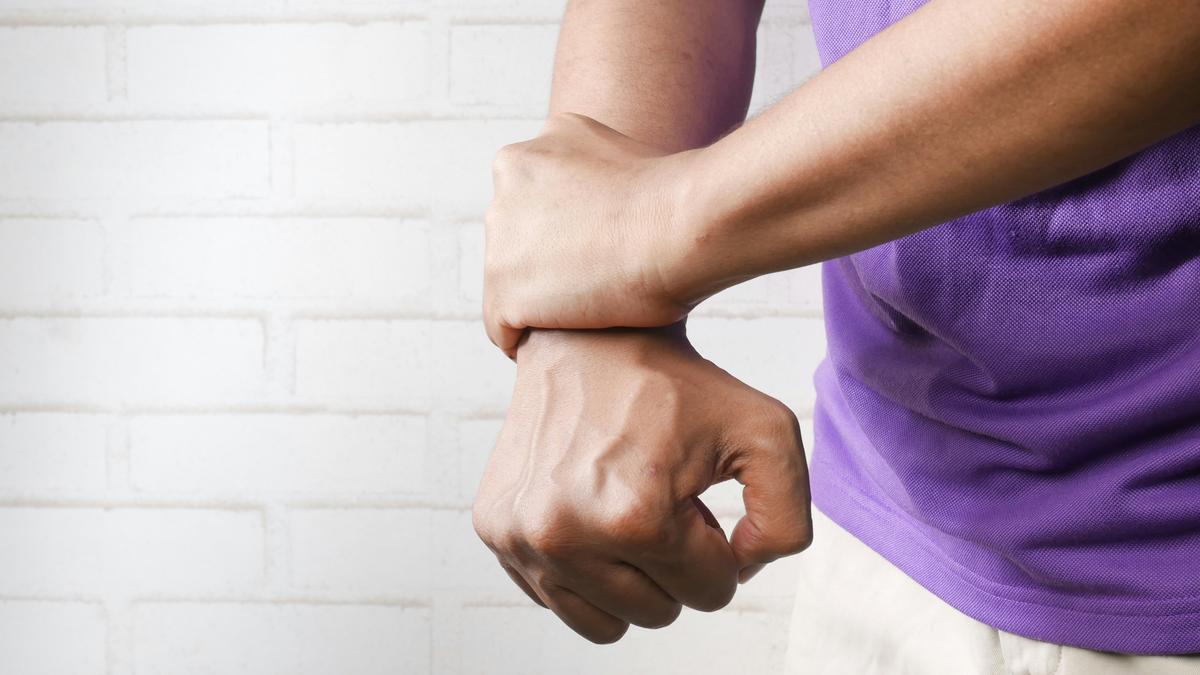
What Are Muscle Cramps? Causes, Symptoms, and How to Treat Them
Muscle cramps are sudden, involuntary contractions or spasms of one or more muscles that often cause sharp pain and discomfort. They most commonly affect the legs, feet, and hands but can occur in any muscle group. These cramps typically last from a few seconds to several minutes and can disrupt daily activities or sleep.
Common Causes of Muscle Cramps
Dehydration: Loss of fluids and electrolytes such as potassium, calcium, and magnesium.
Muscle Overuse: Intense exercise or prolonged physical activity causing muscle fatigue.
Poor Blood Circulation: Restricted blood flow to muscles during activity.
Nerve Compression: Issues like spinal nerve irritation.
Medical Conditions: Diabetes, thyroid disorders, or electrolyte imbalances.
Medication Side Effects: Diuretics and statins can sometimes cause cramps.
Symptoms of Muscle Cramps
Sudden sharp or stabbing pain in the affected muscle.
Muscle tightness or hard lump under the skin.
Temporary inability to use the muscle effectively.
Usually resolves within minutes but can recur.
How to Prevent Muscle Cramps
Drink plenty of water daily to stay hydrated.
Maintain a balanced diet rich in electrolytes.
Warm up properly before physical activity.
Avoid excessive muscle strain or overexertion.
Stretch regularly, especially before sleep if nighttime cramps are common.
Treatment for Muscle Cramps
Gently stretch and massage the affected muscle.
Apply heat or cold packs to relieve tension.
Stay hydrated and replenish electrolytes.
Use over-the-counter pain relief if necessary.
Consult a healthcare provider if cramps are frequent or severe.
Frequently Asked Questions (FAQ)
Q1: Are muscle cramps dangerous?
Most muscle cramps are harmless and temporary. However, frequent or severe cramps could indicate an underlying health issue and should be evaluated by a doctor.
Q2: Why do muscle cramps often occur at night?
Nighttime cramps may be caused by muscle fatigue, dehydration, or poor positioning during sleep leading to nerve irritation.
Q3: Can dehydration cause muscle cramps?
Yes, dehydration reduces electrolyte levels and muscle function, increasing the likelihood of cramps.
Q4: How can I relieve a muscle cramp quickly?
Stretching and massaging the cramped muscle, along with applying heat or cold, usually provides quick relief.
Q5: When should I see a doctor for muscle cramps?
If cramps are severe, persistent, or accompanied by weakness, swelling, or numbness, it’s important to seek medical advice.
Published on: June 28, 2025
Uploaded by: PAVAN
www.vizzve.com || www.vizzveservices.com
Follow us on social media: Facebook || Linkedin || Instagram
🛡 Powered by Vizzve Financial
RBI-Registered Loan Partner | 10 Lakh+ Customers | ₹600 Cr+ Disbursed