

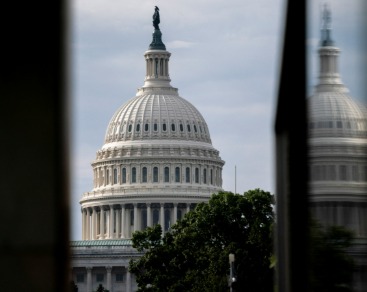
A US government shutdown occurs when Congress fails to approve federal spending, leaving the government without funding. While the concept is familiar, each shutdown can have different consequences depending on its duration, political context, and economic conditions.
Here’s a detailed look at what happens during a shutdown, who is affected, and why the current situation may differ from past closures.
1. Which Parts of the Government Shut Down?
During a shutdown:
Non-essential federal employees are furloughed (temporarily unpaid leave).
Essential services like military operations, air traffic control, and law enforcement continue.
Agencies such as national parks, museums, and some administrative offices may close.
Regulatory bodies and government research projects often pause operations.
2. Impact on Federal Employees
Furloughed employees do not work and will not receive paychecks until the shutdown ends.
Historically, Congress has often approved retroactive pay once funding is restored.
Employees may face financial stress, affecting morale and productivity.
3. Effects on Public Services
Passport and visa processing may slow down or temporarily halt.
Certain health and safety inspections could be delayed.
Some federal grants, contracts, and assistance programs may be paused, impacting communities and businesses.
4. Economic Consequences
Short-term shutdowns can reduce consumer confidence and slow spending.
Longer shutdowns may affect financial markets and GDP growth, especially if government payments are delayed.
Government contractors may face lost revenue, creating a ripple effect in the private sector.
5. Why This Shutdown May Be Different
Political Context: Current divisions in Congress could prolong negotiations, potentially making the shutdown longer.
Economic Environment: With inflation, interest rates, and supply chain concerns, a shutdown may have larger economic repercussions.
Global Implications: Delays in US government operations may affect international trade, aid, and regulatory compliance, impacting global markets.
Public Expectations: Social media and real-time news reporting amplify public scrutiny and pressure on lawmakers.
6. How Citizens Can Prepare
Check Government Websites: Confirm which services remain operational.
Plan Financially: Federal employees may want to budget carefully in case paychecks are delayed.
Stay Informed: Follow credible news sources for updates on funding negotiations.
Adjust Travel Plans: Passport, visa, and TSA services may experience delays.
Business Planning: Companies relying on federal contracts should review contingency plans.
Conclusion
A US government shutdown can disrupt daily life, federal services, and the economy. While many of the effects are familiar, the current political and economic landscape may make this shutdown uniquely impactful.
Citizens, businesses, and employees should stay informed, plan ahead, and monitor updates to mitigate potential disruptions.
FAQs
Q1. What is a government shutdown in the US?
It occurs when Congress fails to pass a spending bill, leaving non-essential federal agencies unfunded.
Q2. Which services stop during a shutdown?
Non-essential services like national parks, museums, some administrative offices, and federal grants may pause.
Q3. Are federal employees paid during a shutdown?
Furloughed employees do not receive paychecks immediately, though retroactive pay is often approved later.
Q4. How does a shutdown affect the economy?
It can reduce consumer confidence, delay contracts, and impact GDP growth if prolonged.
Q5. Why is the current shutdown different?
Political divisions, economic conditions, and global trade implications make this shutdown potentially more severe.
Published on : 1st October
Published by : SMITA
www.vizzve.com || www.vizzveservices.com
Follow us on social media: Facebook || Linkedin || Instagram
🛡 Powered by Vizzve Financial
RBI-Registered Loan Partner | 10 Lakh+ Customers | ₹600 Cr+ Disbursed
https://play.google.com/store/apps/details?id=com.vizzve_micro_seva&pcampaignid=web_share