

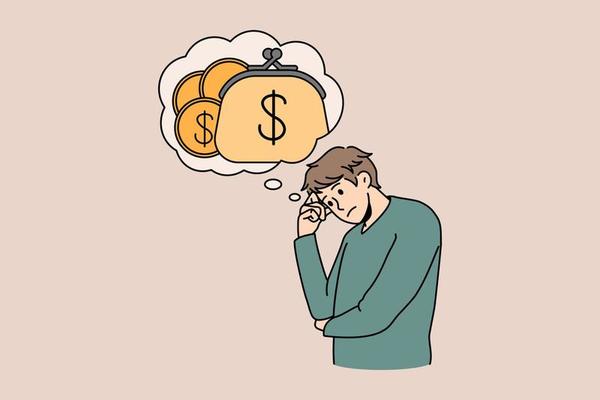
A money mindset is the set of beliefs, attitudes, and habits you hold about money. It shapes how you earn, spend, save, invest, and grow your wealth. Your money mindset can either empower you to achieve financial goals or limit your ability to create wealth.
1. Positive vs. Negative Money Mindset
Positive Money Mindset:
Views money as a tool for growth and opportunity.
Focuses on saving, investing, and building wealth.
Believes in financial self-discipline and learning from mistakes.
Negative Money Mindset:
Sees money as scarce or a source of stress.
Leads to impulsive spending or avoidance of financial planning.
Creates fear around investing or managing money effectively.
2. How Money Mindset Affects Your Financial Life
Your mindset influences:
Spending Habits: Positive thinkers are more likely to budget and control expenses.
Investment Decisions: A growth-oriented mindset encourages investing for the future.
Debt Management: People with a strong money mindset are disciplined in avoiding or managing debt.
Financial Goals: Helps in setting and achieving realistic goals like buying a home or retirement planning.
3. Steps to Develop a Positive Money Mindset
Awareness: Track your income, expenses, and spending patterns.
Education: Learn about personal finance, investments, and savings strategies.
Set Goals: Define short-term and long-term financial objectives.
Budgeting: Allocate funds for essentials, savings, and discretionary spending.
Invest Regularly: Start investing early to build wealth over time.
Positive Affirmations: Reinforce beliefs like “I can grow my wealth” or “I manage money wisely.”
Avoid Comparisons: Focus on your financial journey instead of comparing with others.
4. Benefits of a Healthy Money Mindset
Financial Confidence: Helps you make informed decisions without fear.
Better Financial Habits: Encourages saving, investing, and avoiding debt.
Wealth Growth: Promotes long-term financial planning and wealth accumulation.
Stress Reduction: Reduces anxiety around money by fostering control and clarity.
Conclusion
A money mindset is not just about how much you earn—it’s about how you think, feel, and act toward money. Developing a positive money mindset empowers you to take control of your finances, make better decisions, and achieve long-term financial freedom.
FAQ Section
Q1: Can my money mindset change over time?
Yes, with awareness, education, and consistent practice, you can develop a positive money mindset.
Q2: Does a money mindset affect wealth creation?
Absolutely. A positive mindset encourages disciplined saving, investing, and financial growth.
Q3: How do I know if my money mindset is negative?
Signs include fear of spending, avoidance of financial planning, overspending, or constant financial stress.
Q4: Can a money mindset improve with financial literacy?
Yes, learning about budgeting, investing, and wealth management strengthens a positive mindset.
Q5: Are money mindset habits different for beginners and experienced investors?
The principles are the same—awareness, discipline, and long-term planning—but experienced investors may have more confidence and knowledge in decision-making.
Published on : 12th September
Published by : SMITA
www.vizzve.com || www.vizzveservices.com
Follow us on social media: Facebook || Linkedin || Instagram
🛡 Powered by Vizzve Financial
RBI-Registered Loan Partner | 10 Lakh+ Customers | ₹600 Cr+ Disbursed
https://play.google.com/store/apps/details?id=com.vizzve_micro_seva&pcampaignid=web_share