

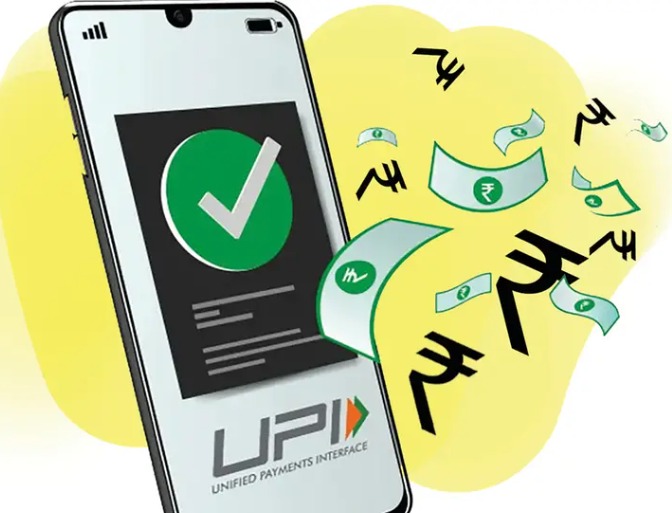
UPI (Unified Payments Interface) has transformed the way Indians send and receive money. While most people are familiar with sending and receiving payments instantly, a term that often comes up in transaction histories is “credit.” But what does it mean, and why does it matter for your finances?
What Does Credit on UPI Mean?
When you see a credit on your UPI app or bank statement, it simply means that money has been deposited into your account. This could happen in several ways:
Someone has sent you money using your UPI ID or mobile number.
A bank transfer from NEFT, IMPS, or RTGS has reached your account.
Refunds from merchants, e-commerce platforms, or billers.
Automatic payouts like salary, dividends, or government benefits.
In short, credit is money coming into your account, while debit is money going out.
Why UPI Credit Matters
Financial Awareness – Monitoring credits helps you keep track of incoming money, ensuring you know who has paid you and when.
Budget Management – If you receive multiple small payments via UPI, keeping a record of credits helps you manage your daily or monthly budget.
Fraud Detection – Unrecognized credits may indicate errors, refunds, or potentially fraudulent activity. Checking every credit ensures your account security.
Loan and Credit Score Impact – Regular credits, such as salary payments or business receipts, help banks and lenders assess your financial health. They can positively influence your loan eligibility and creditworthiness.
Tax Compliance – Credits from business transactions, freelance work, or rent are often taxable. Keeping track of UPI credits ensures you have proper documentation when filing taxes.
How to Track and Manage UPI Credits
Regularly check your app notifications for incoming payments.
Reconcile credits with invoices, bills, or personal records.
Maintain digital records for tax purposes. Many apps allow you to export transaction histories.
Report suspicious credits to your bank immediately.
Tips for Safe UPI Transactions
Share your UPI ID or QR code only with trusted parties.
Enable two-factor authentication and app-level security.
Verify the sender before accepting large or unexpected credits.
Keep your mobile and banking apps updated to ensure secure transactions.
Final Thoughts
Understanding credit on UPI is more than just knowing when money arrives in your account. It helps you manage your finances efficiently, detect fraud, maintain records for taxation, and improve your overall financial health. Being aware of your incoming transactions empowers you to make smarter financial decisions and avoid surprises.
FAQs
Q1. Is every incoming UPI transaction a credit?
Yes — any money received via UPI, whether from friends, family, refunds, or salaries, is marked as a credit.
Q2. Can I get notified for every credit?
Yes, most UPI apps and banks allow instant notifications for credits.
Q3. Does credit affect my bank balance immediately?
Yes, UPI credits are usually instant and reflected in your bank balance in real time.
Q4. How can credits help with taxes?
Credits from business or professional activity are considered income and need to be reported when filing taxes. Maintaining records ensures compliance.
Q5. Can fraudulent credits harm me?
While fraudulent credits usually don’t reduce your balance, they can indicate hacking or errors. Report any suspicious credits promptly to your bank.
Published on : 7th November
Published by : SMITA
www.vizzve.com || www.vizzveservices.com
Follow us on social media: Facebook || Linkedin || Instagram
🛡 Powered by Vizzve Financial
RBI-Registered Loan Partner | 10 Lakh+ Customers | ₹600 Cr+ Disbursed