

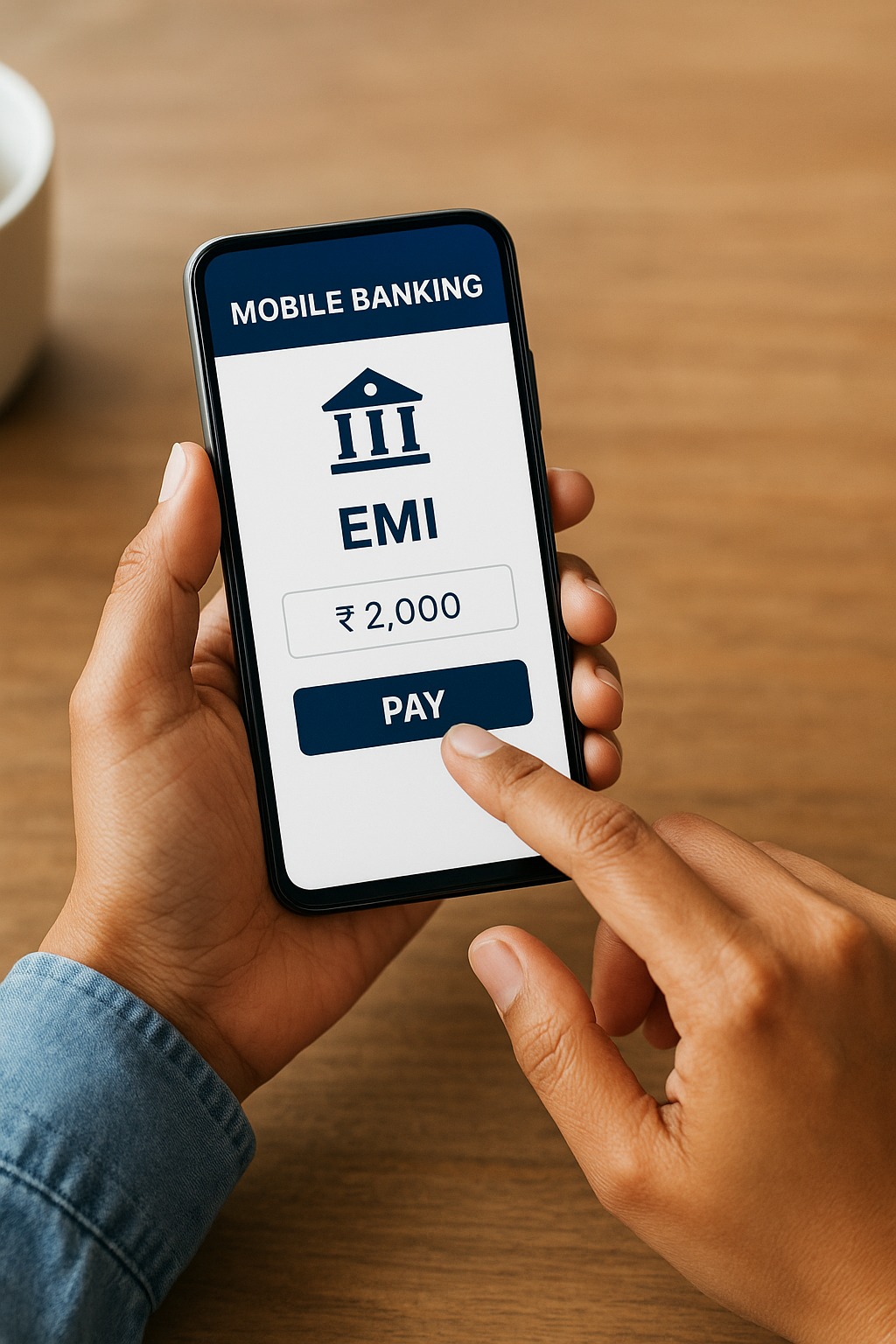
When you take a loan — whether it’s a personal loan, home loan, or car loan — you often hear the term EMI. Understanding EMI (Equated Monthly Installment) is crucial not only for managing your monthly budget but also for maintaining a healthy credit score.
1. What is an EMI?
EMI (Equated Monthly Installment) is the fixed amount a borrower pays to the lender every month until the loan is fully repaid. It consists of:
Principal Component: The actual amount borrowed.
Interest Component: The cost of borrowing, calculated on the outstanding principal.
Formula:
EMI = [P × r × (1+r)^n] ÷ [(1+r)^n – 1]
Where:
P = Principal amount
r = Monthly interest rate
n = Total number of monthly installments
EMIs make loan repayment predictable and help borrowers plan their finances efficiently.
2. How EMI Payments Affect Your CIBIL Score
Your CIBIL score (or credit score) reflects your creditworthiness and is used by lenders to approve loans. EMI payments have a direct impact:
a. Timely EMI Payments
Paying EMIs on time every month positively affects your credit score.
Demonstrates responsible borrowing behavior, increasing lender trust.
b. Delayed or Missed EMIs
Late payments are reported to CIBIL and other credit bureaus, which can lower your credit score significantly.
Even a single missed EMI can impact your score, especially for new borrowers with limited credit history.
c. Partial Payments
Paying less than the EMI amount can be considered a default.
Accrued penalties and reported defaults can negatively affect future loan approvals.
d. Loan Utilization & Multiple EMIs
Having multiple loans and EMIs simultaneously increases your debt-to-income ratio.
A high EMI burden may reduce your credit score, as lenders see higher repayment risk.
3. Tips to Maintain a Healthy CIBIL Score
Always pay EMIs on time: Use auto-debit or reminders.
Avoid over-borrowing: Keep your EMI obligations manageable.
Track your loans: Regularly check your CIBIL report to ensure accurate reporting.
Prepay responsibly: Partial prepayments are good, but ensure they are reported to credit bureaus.
Maintain a mix of credit: A healthy combination of credit cards and loans can improve your score.
4. Key Takeaways
EMIs are fixed monthly payments comprising principal and interest.
Timely EMIs boost your credit score, while missed or delayed payments harm it.
Responsible EMI management is crucial for future loans, credit card approvals, and financial credibility.
By understanding EMIs and maintaining discipline in repayment, you can strengthen your CIBIL score and enjoy easier access to credit.
FAQs :
1. What is EMI on a loan?
EMI (Equated Monthly Installment) is a fixed monthly payment toward principal and interest until the loan is repaid.
2. Does paying EMIs on time improve my CIBIL score?
Yes, on-time EMI payments positively impact your CIBIL score by showing responsible credit behavior.
3. What happens if I miss an EMI?
Late or missed EMIs are reported to CIBIL, lowering your credit score and affecting future loan approvals.
4. Can having multiple EMIs affect my credit score?
Yes, a high EMI burden increases perceived repayment risk, which may negatively impact your creditworthiness.
5. How can I manage EMIs to maintain a good credit score?
Pay on time, avoid over-borrowing, track all loans, and maintain a healthy credit mix.
Published on : 14th October
Published by : SMITA
www.vizzve.com || www.vizzveservices.com
Follow us on social media: Facebook || Linkedin || Instagram
🛡 Powered by Vizzve Financial
RBI-Registered Loan Partner | 10 Lakh+ Customers | ₹600 Cr+ Disbursed
https://play.google.com/store/apps/details?id=com.vizzve_micro_seva&pcampaignid=web_share