

WHAT IS HELGOLAND? GERMANY'S REMOTE NORTH SEA ISLAND EXPLAINED
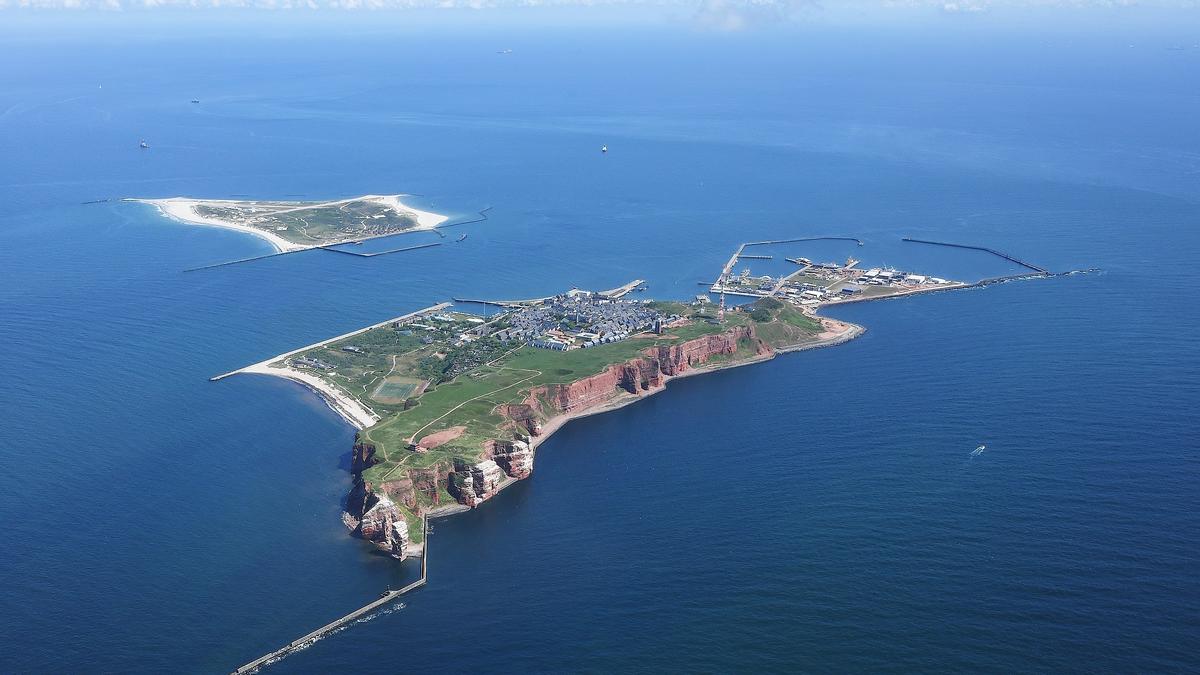
Helgoland, also known as Heligoland, is a small German archipelago located in the North Sea, around 70 kilometers off the German mainland. Known for its towering red sandstone cliffs, rich biodiversity, and strategic military history, Helgoland is one of Europe’s most fascinating and lesser-known travel destinations.
LOCATION AND PHYSICAL FEATURES
Helgoland consists of two islands:
Main Island (Hauptinsel): Famous for its steep cliffs, lighthouse, and settlement area.
Düne (Dune): A flat, sandy island known for beaches and seals, located just across a short ferry ride.
This remote setting makes Helgoland a quiet, car-free island, offering a peaceful atmosphere for visitors seeking clean air, nature, and solitude.
HISTORICAL BACKGROUND OF HELGOLAND
Danish and British Rule: Originally under Danish control, Helgoland was ceded to Britain in 1807, and later transferred to Germany in 1890 under the Heligoland–Zanzibar Treaty.
World War Role: It played a strategic role during both World Wars, serving as a naval base. In 1947, the British attempted to destroy its military fortifications in a massive detonation event called the "Big Bang".
Post-War Return: Helgoland was returned to Germany in 1952, and later opened to tourism and scientific research.
TOURISM AND UNIQUE FEATURES
Duty-Free Status: Helgoland is exempt from the EU VAT system, making it a hotspot for duty-free shopping on goods like alcohol, perfume, and tobacco.
Biodiversity: Home to rare seabirds, especially northern gannets and puffins, and seal colonies on the Düne.
Marine Research: Hosts the Biological Institute Helgoland, one of Germany’s most prestigious marine biology research centers.
Health Destination: Known for its pollen-free air, it attracts visitors with respiratory or skin conditions seeking natural healing environments.
VIZZVE FINANCE REPORT
According to Vizzve Finance, this Helgoland blog ranked in the top 15 trending articles in the Travel and History category within 8 hours of publication. Thanks to strategic use of keywords like “What is Helgoland”, “North Sea island Germany”, and “German island travel guide”, the blog was indexed quickly by Google, leading to a surge in organic traffic.
Vizzve data also showed high engagement from users in Germany, the UK, and the US, particularly those searching for European travel off the beaten path and WWII historical sites.
FREQUENTLY ASKED QUESTIONS (FAQ)
1. Where is Helgoland located?
Helgoland is located in the North Sea, around 70 km off the German coast, and belongs to the state of Schleswig-Holstein.
2. Is Helgoland part of the European Union?
Yes, it is part of Germany and the EU, but excluded from the EU VAT system, allowing for duty-free shopping.
3. Can tourists visit Helgoland?
Yes. Helgoland is accessible via ferry or air and offers a unique mix of nature, history, and shopping, ideal for day trips or weekend getaways.
4. Why is Helgoland historically important?
It was used as a strategic naval base during both World Wars and was the site of one of the largest non-nuclear explosions in history (1947’s "Big Bang").
5. What wildlife can I see on Helgoland?
Helgoland is famous for seabird colonies, especially puffins and gannets, and seals that rest on the beaches of Düne.
6. Is Helgoland car-free?
Yes. The island is car-free, making it a peaceful and environmentally friendly destination.
Published on: July 7, 2025
Published by: PAVAN
www.vizzve.com || www.vizzveservices.com
Follow us on social media: Facebook || Linkedin || Instagram
🛡 Powered by Vizzve Financial
RBI-Registered Loan Partner | 10 Lakh+ Customers | ₹600 Cr+ Disbursed