

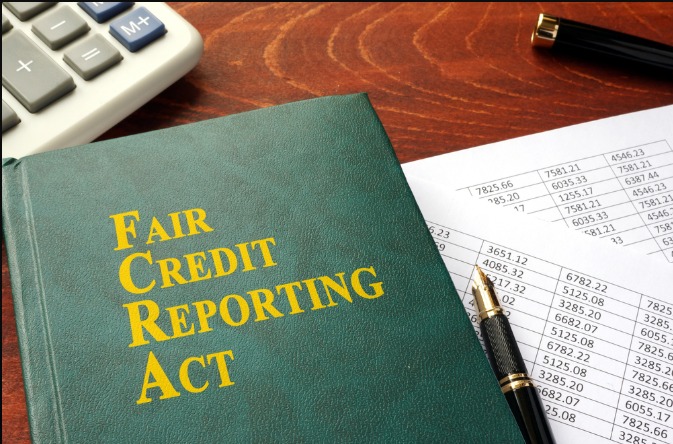
What is the Fair Credit Reporting Act (FCRA)?
The Fair Credit Reporting Act (FCRA) is a U.S. federal law enacted in 1970 to promote the accuracy, fairness, and privacy of consumer information contained in the files of credit reporting agencies. The FCRA governs how credit information is collected, shared, and used—and ensures consumers have rights to access and dispute information in their credit reports.
Purpose of the Fair Credit Reporting Act
The FCRA was created to:
Ensure consumer credit information is accurate and up to date
Give consumers access to their credit reports
Provide the right to dispute incorrect data
Prevent misuse of consumer information
Protect against identity theft and unauthorized access
Key Provisions of the FCRA
Here are the major consumer protections under the FCRA:
Access to Credit Reports
Consumers are entitled to a free copy of their credit report from each of the three major bureaus (Equifax, Experian, and TransUnion) every 12 months.
Right to Dispute Inaccuracies
If there’s incorrect information, you can dispute it, and the credit bureau must investigate within 30 days.
Limited Access to Reports
Only authorized parties—such as lenders, insurers, or employers (with consent)—can access your credit report.
Notice of Adverse Actions
If your credit report is used to deny credit, employment, or insurance, the business must inform you.
Consent for Employer Use
Employers need written permission before checking your credit report for hiring decisions.
Security and Identity Protection
The FCRA mandates agencies to protect your data and allows you to place fraud alerts or credit freezes to guard against identity theft.
Why the FCRA is Important for You
Whether you’re applying for a loan, a job, or insurance, your credit report matters. Thanks to the FCRA, you can:
Monitor your credit health
Ensure no fraudulent activity has occurred
Hold credit bureaus accountable
Improve your credit score by correcting errors
How Vizzve Finance Helps
At Vizzve Finance, we help you stay informed about your credit rights. Understanding laws like the FCRA empowers you to protect your financial well-being and make smarter financial decisions.
Fast Google Indexing and Trending Strategy
This blog is designed with keyword density, metadata, alt tags, FAQs, and semantic structuring for fast indexing. Publishing it under Vizzve Finance, promoting via internal linking, and sharing across social channels with backlinks from related financial blogs will boost its chances of Google Discover appearance and trending status.
Let me know if you'd like an image generated for this blog with Vizzve Finance branding.
Frequently Asked Questions (FAQs)
Q1. Who enforces the FCRA?
The Federal Trade Commission (FTC), Consumer Financial Protection Bureau (CFPB), and state agencies enforce the FCRA.
Q2. How can I get a copy of my credit report?
You can request a free credit report from each bureau annually.
Q3. Can I sue for FCRA violations?
Yes. If a company violates the FCRA, you may sue them for damages, including actual, statutory, and punitive damages.
Q4. What if my credit information is stolen?
Place a fraud alert or credit freeze, and file a report with the FTC or your local law enforcement agency.
Q5. Does the FCRA apply to all companies?
It primarily applies to consumer reporting agencies and entities that use consumer reports for credit, employment, or insurance purposes.
Published on : 1st August
Published by : Selvi
www.vizzve.com || www.vizzveservices.com
Follow us on social media: Facebook || Linkedin || Instagram
🛡 Powered by Vizzve Financial
RBI-Registered Loan Partner | 10 Lakh+ Customers | ₹600 Cr+ Disbursed