

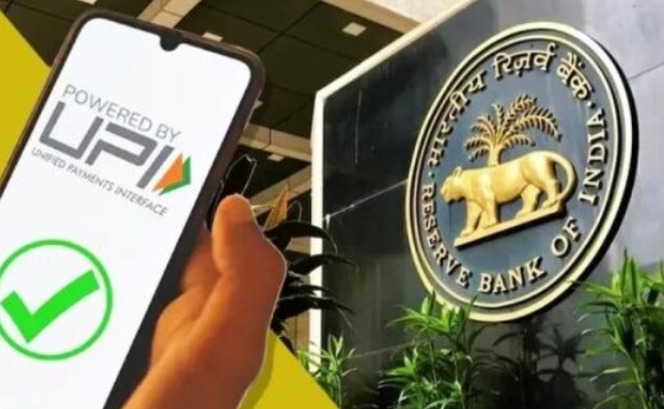
The Reserve Bank of India (RBI) has recently launched a tokenisation pilot, aimed at enhancing the security of digital payments and safeguarding customer deposits. Tokenisation replaces sensitive card or account data with a unique token, reducing the risk of fraud during online or contactless transactions.
What is Tokenisation?
Definition: Tokenisation is the process of replacing sensitive data, like debit or credit card numbers, with a secure, unique token.
Purpose: Even if hackers access the token, it is useless without the underlying mapping, making digital payments safer.
Scope: The RBI pilot focuses on cards issued by banks, including debit, credit, and prepaid instruments.
Benefits for Depositors
Enhanced Security
Reduces the risk of fraud and unauthorized access to account details during online or POS transactions.
Safe Contactless Payments
Enables safer use of digital wallets, UPI, and tap-to-pay methods.
Reduced Liability
Tokenisation minimizes the possibility of financial loss, as real card numbers are not transmitted or stored by merchants.
Faster Dispute Resolution
Tokens can help banks trace transactions efficiently, expediting dispute resolution.
How It Works
When you use a card online or at a POS:
Your actual card number is replaced by a token.
This token is shared with the merchant, not the actual card number.
The bank or payment network maps the token back to your account securely to complete the transaction.
Implications for Digital Banking
Banks: Need to upgrade systems to support token issuance and mapping.
Merchants: Will handle tokens instead of card numbers, reducing compliance risks.
Consumers: Safer, more convenient payments without exposing sensitive financial information.
Conclusion
The RBI’s tokenisation pilot is a crucial step toward safer digital transactions, protecting depositors from fraud while enhancing trust in the cashless ecosystem. As the pilot expands, both consumers and merchants can expect more secure, seamless, and fraud-resistant payments across India.
FAQs
Q1: What is RBI’s tokenisation pilot?
It is a program to replace sensitive card or account data with unique tokens to enhance security for digital transactions.
Q2: Does it affect my bank deposits?
Yes, indirectly. By securing card and payment data, your deposits are better protected from fraud and unauthorized access.
Q3: How does tokenisation improve payment security?
Tokens replace actual card numbers in transactions, making them useless if stolen or compromised.
Q4: Which payment methods will use tokens?
Debit cards, credit cards, prepaid instruments, online payments, and contactless tap-to-pay transactions are included.
Q5: Will merchants see my actual card number?
No, merchants only see the token, which cannot be used outside the authorized transaction mapping.
Published on : 12th October
Published by : SMITA
www.vizzve.com || www.vizzveservices.com
Follow us on social media: Facebook || Linkedin || Instagram
🛡 Powered by Vizzve Financial
RBI-Registered Loan Partner | 10 Lakh+ Customers | ₹600 Cr+ Disbursed
https://play.google.com/store/apps/details?id=com.vizzve_micro_seva&pcampaignid=web_share