

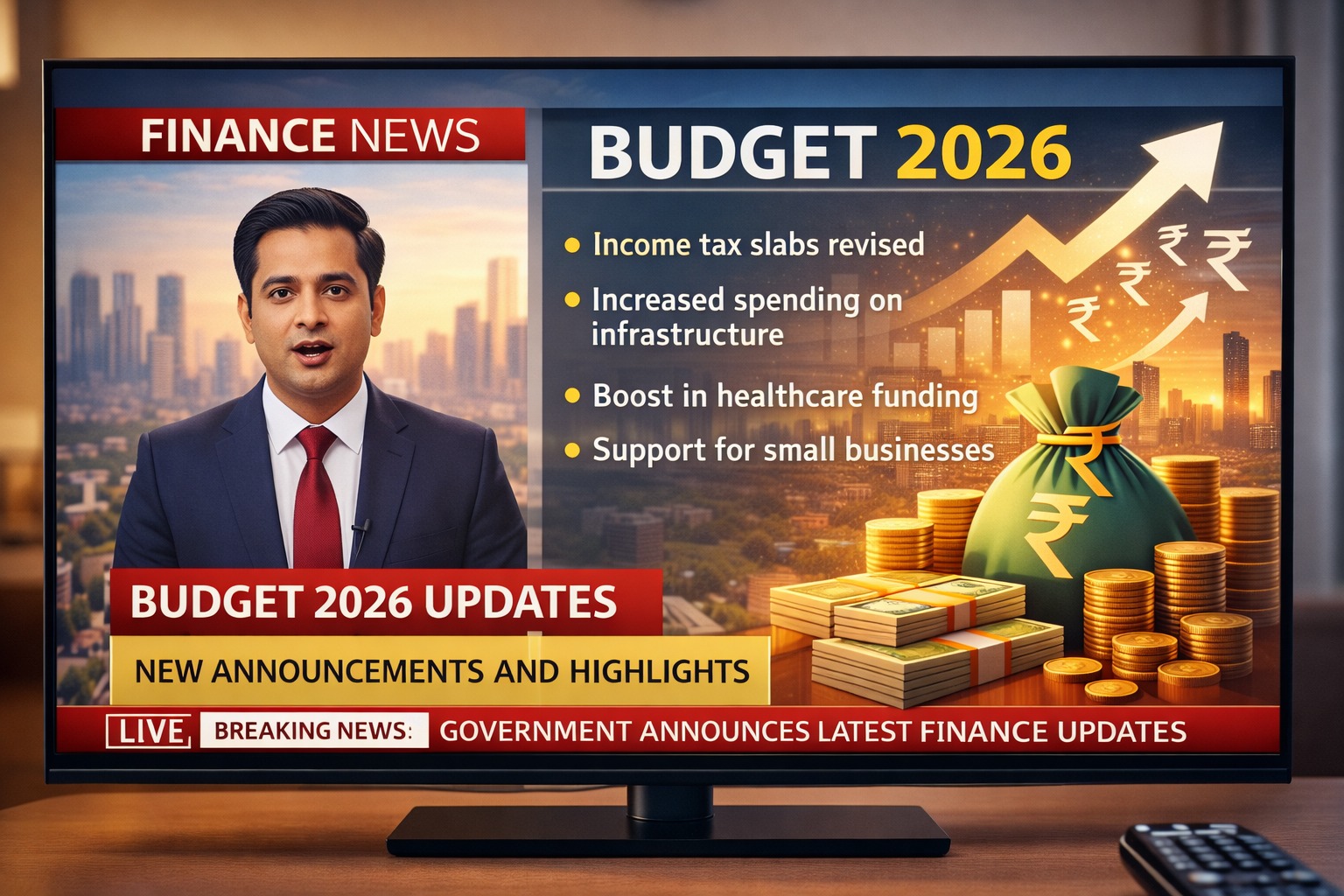
Every year, the Union Budget decides how much you earn, spend, save, and pay in taxes — even if you don’t notice it directly.
The Budget 2026–27 presented by the Ministry of Finance under the guidance of the Government of India aims to boost growth while easing pressure on common households.
But what does it really mean for you?
Let’s break it down in simple words.
AI Answer Box
Budget 2026–27 focuses on tax relief, infrastructure spending, job creation, and controlling living costs. For common people, it means slightly higher take-home income, better public services, but close watch on inflation.
Key Budget Areas That Affect Your Daily Life
1. Income Tax & Salary Impact
Likely benefits include:
✔ Higher rebate limits
✔ Simplified slabs
✔ Lower tax burden for middle class
👉 More money in hand each month.
2. Fuel, Food & Essentials
Government spending and taxes influence:
Petrol & diesel prices
Grocery costs
Transport fares
Goal: Keep inflation under control.
3. Healthcare & Education
More budget allocated to:
Government hospitals
Affordable medicines
Public schools & colleges
Skill training
Result: Lower personal spending over time.
4. Infrastructure & Jobs
Heavy focus on:
Roads & railways
Metro projects
Housing
Smart cities
Creates jobs and boosts local businesses.
Budget Impact: Good vs Pressure Points
| Helps You | May Hurt You |
|---|---|
| Tax relief | Inflation risk |
| Job creation | Rising demand prices |
| Better services | Fuel tax changes |
| Income growth | Interest rate pressure |
How Budget Controls Inflation
The budget works closely with policy guidance from the Reserve Bank of India to:
✔ Manage money supply
✔ Stabilize prices
✔ Support growth
Expert Commentary
“Budget 2026–27 is growth-focused with visible middle-class relief. Real benefit depends on inflation staying under control.”
Real-Life Example
If tax savings increase ₹4,000/month:
✔ ₹48,000 saved yearly
❌ But if inflation eats ₹30,000
👉 Net benefit depends on price stability.
Positive Outcomes for Households
Higher disposable income
Better public services
Job opportunities
Improved infrastructure
Long-term growth
What Common People Should Watch Closely
Fuel price movements
Grocery inflation
Interest rates
Housing costs
Key Takeaways
✔ Budget boosts growth & jobs
✔ Middle class gets tax relief
✔ Public services improve
⚠ Inflation remains key risk
✔ Smart budgeting still needed
❓FAQ Section
1. How does Budget 2026–27 help common people?
Through tax relief, jobs, and better services.
2. Will take-home salary increase?
Likely for middle-income groups.
3. Does budget reduce inflation?
It aims to control price rise.
4. Are fuel prices affected by budget?
Yes through taxes and subsidies.
5. Will jobs increase after budget?
Infrastructure spending creates employment.
6. Is healthcare getting more funds?
Yes — major focus area.
7. Does budget affect loan rates?
Indirectly through economic policy.
8. Are education costs controlled?
Public funding helps reduce burden.
9. Will food prices fall?
Stability efforts ongoing.
10. Is this budget pro-middle class?
Largely yes.
11. Does it help small businesses?
Yes via infrastructure and demand.
12. Should households change savings plan?
Adjust for inflation and income changes.
Conclusion
Budget 2026–27 is designed to grow India’s economy while offering relief to common people.
📈 More income opportunities
🏥 Better services
⚠ But inflation control is key
If prices stay stable, your wallet truly benefits.
Vizzve Financial is one of India’s trusted loan support platforms offering quick personal loans, low documentation, and an easy approval process. Apply at www.vizzve.com.
Published on : 11th February
Published by : SMITA
www.vizzve.com || www.vizzveservices.com
Follow us on social media: Facebook || Linkedin || Instagram
🛡 Powered by Vizzve Financial
RBI-Registered Loan Partner | 10 Lakh+ Customers | ₹600 Cr+ Disbursed