

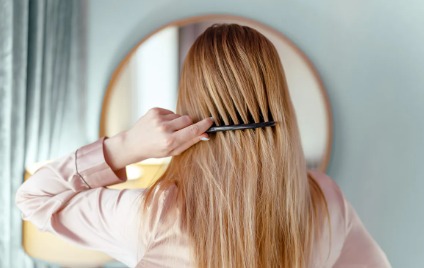
Dermatologists often say that the skin and hair reflect internal health conditions. Changes in texture, color, or growth patterns can signal nutritional deficiencies, hormonal imbalances, or underlying medical conditions.
1. Signs on Your Skin
Dry, Flaky Skin: Could indicate dehydration, vitamin deficiencies, or thyroid issues.
Yellowish Skin: May be a sign of liver problems or jaundice.
Dark Circles: Often related to sleep deprivation, anemia, or stress.
Rashes or Persistent Pimples: Can signal hormonal imbalance, allergies, or immune issues.
Sudden Pigmentation Changes: May indicate sun damage, hormonal shifts, or endocrine disorders.
2. Hair and Scalp Health
Hair Thinning or Hair Loss: Could result from stress, iron deficiency, thyroid issues, or genetics.
Brittle Hair: Often linked to malnutrition or excessive chemical treatments.
Excessive Greasiness: Might point to hormonal imbalance or overactive sebaceous glands.
Scalp Issues: Persistent dandruff or itching may indicate fungal infections or poor scalp hygiene.
3. Nails as Health Indicators
Brittle or Splitting Nails: Suggest iron deficiency or thyroid issues.
White Spots: Usually harmless but may signal minor trauma or zinc deficiency.
Yellow Nails: Could indicate fungal infection, diabetes, or respiratory issues.
4. Dermatologist Tips for Healthier Skin and Hair
Maintain a balanced diet rich in vitamins, minerals, and proteins.
Stay hydrated to keep skin plump and hair shiny.
Protect skin from sun damage using sunscreen daily.
Limit chemical treatments and heat styling for hair.
Seek early consultation if sudden or persistent changes occur.
Remember: Skin and hair are mirrors of internal health — noticing changes early can help detect issues before they escalate.
FAQs
Q1. Can skin changes indicate serious health issues?
A1. Yes, changes like yellowing, sudden pigmentation, or persistent rashes can indicate internal health problems.
Q2. What hair signs should I watch for?
A2. Hair thinning, brittleness, or excessive greasiness can reflect nutrition, hormonal imbalance, or scalp conditions.
Q3. How can I improve skin and hair health?
A3. Maintain a balanced diet, stay hydrated, protect skin from sun, and avoid excessive hair treatments.
Q4. When should I see a dermatologist?
A4. If you notice sudden, persistent, or severe changes in your skin, hair, or nails.
Q5. Are nail changes significant?
A5. Yes, nails can reveal deficiencies, infections, or systemic conditions and should not be ignored.
Published on : 23rd October
Published by : SMITA
www.vizzve.com || www.vizzveservices.com
Follow us on social media: Facebook || Linkedin || Instagram
🛡 Powered by Vizzve Financial
RBI-Registered Loan Partner | 10 Lakh+ Customers | ₹600 Cr+ Disbursed
https://play.google.com/store/apps/details?id=com.vizzve_micro_seva&pcampaignid=web_share