

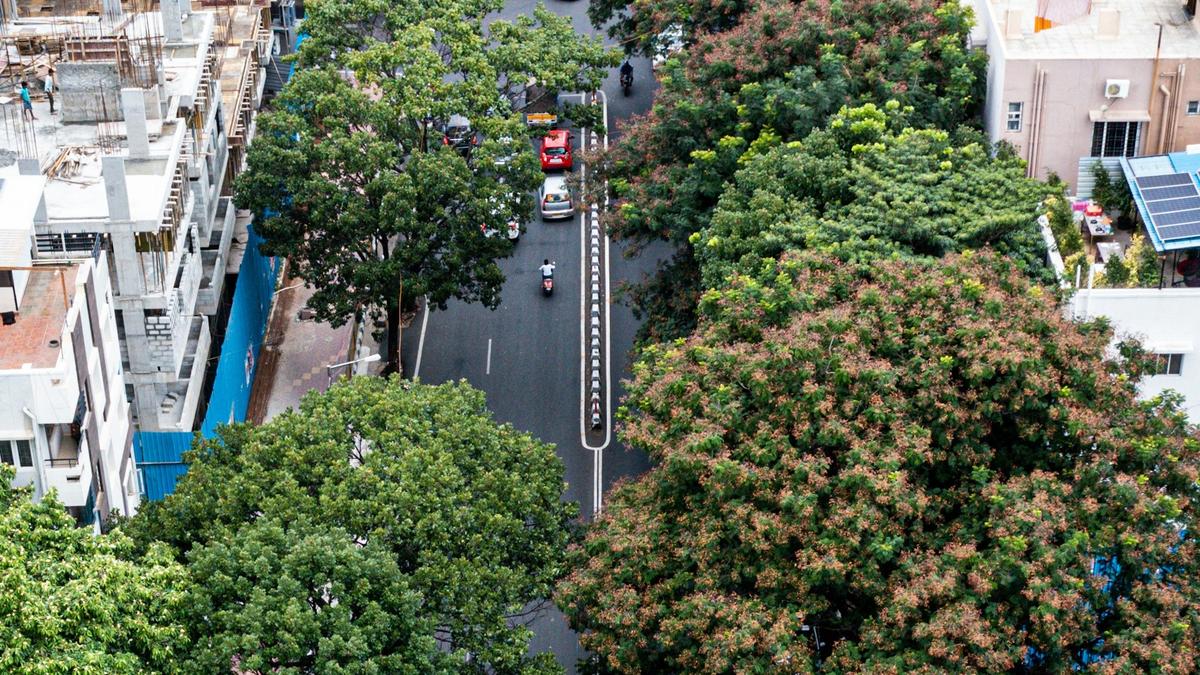
When Cities Have Trees That Don’t Belong, the Birds Notice
Modern cities are increasingly investing in green cover—but in doing so, many are planting trees that don’t belong. These non-native or exotic tree species, chosen for shade or aesthetics, may look good to us—but for birds, they can mean a dramatic change in survival.
Urban biodiversity is suffering, and birds are among the first to raise the alarm.
What Are Non-Native Trees and Why Are They Used?
Non-native trees are species not indigenous to a specific region. In India and across the world, these may include:
Rain trees, gulmohar, and African tulip (in Indian cities)
Silver oaks and eucalyptus in South India
Lombardy poplars or Norway maples in temperate zones
City planners often choose them for:
Rapid growth
Shade and canopy
Aesthetic flowering
Low short-term maintenance
But these short-term benefits can come at an ecological cost.
Why Native Trees Matter for Birds
Birds, insects, and native trees have co-evolved over centuries. Native trees support:
Insects and caterpillars, which are essential food sources for baby birds
Suitable nesting spots tailored to native bird behavior
Seasonal rhythms that match bird migration and breeding cycles
Non-native trees, by contrast, may offer poor nutrition, resist local insects, or fail to provide shelter, disrupting entire urban food webs.
“A tree might look green, but if it doesn’t feed insects, it doesn’t feed birds,” says an ecologist from Delhi University.
Case in Point: Indian Cities
In cities like Bengaluru, Delhi, and Mumbai, exotic species dominate parks and avenues. A study found that:
Areas dominated by non-native trees saw fewer nesting birds
Native bird species like sunbirds, bulbuls, and woodpeckers were gradually displaced
Exotic trees hosted 80% fewer caterpillars—a critical food source during nesting
The Long-Term Impact
Urban bird populations decline
Pollinator insects disappear, affecting flowering plants
Soil and microclimate changes impact amphibians and reptiles
Trees with shallow roots offer less storm resilience, posing urban risks
In essence, planting the wrong trees is quietly unraveling urban ecosystems.
What Can Cities Do Instead?
Promote native tree species like neem, peepal, banyan, jamun, arjun, and tamarind
Involve urban ecologists in green cover planning
Launch community planting drives with native saplings
Integrate tree audits into smart city missions
Create bird-friendly zones in parks, campuses, and schools
Frequently Asked Questions (FAQ)
Q1. What is the difference between native and non-native trees?
Native trees are those that evolved naturally in a region, supporting its native birds, insects, and soil health. Non-native trees are introduced from outside and may not support local ecology.
Q2. Are non-native trees harmful to birds?
Not directly harmful, but they often lack the insects and structure birds depend on for food and nesting, leading to long-term biodiversity loss.
Q3. Can we replace non-native trees with native ones?
Yes. Many urban forestry projects now advocate for gradual replacement, ensuring canopy cover is maintained while improving ecological health.
Q4. What are some bird-friendly native trees in India?
Peepal, neem, banyan, jamun, amla, kadamba, and Indian coral tree are excellent choices for attracting birds.
Q5. Why don’t cities plant native trees more often?
Lack of ecological awareness, pressure for fast growth, and decorative landscaping preferences often drive exotic planting.
Published on: June 26, 2025
Uploaded by: PAVAN
www.vizzve.com || www.vizzveservices.com
Follow us on social media: Facebook || Linkedin || Instagram
🛡 Powered by Vizzve Financial
RBI-Registered Loan Partner | 10 Lakh+ Customers | ₹600 Cr+ Disbursed