

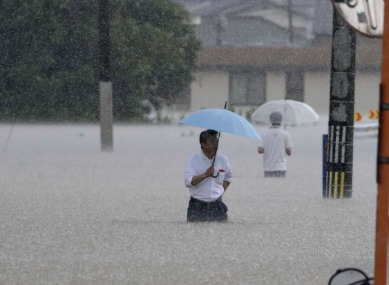
Every year, the monsoon sweeps across India, bringing both life and chaos. But in recent times, the rhythm of the rain has changed. What once nourished fields and filled rivers now often arrives as destructive downpours, flash floods, and waterlogging that paralyze cities within hours.
The Shifting Pattern of India’s Monsoon
India’s monsoon has always been unpredictable, but climate data shows a stark shift — rainfall is now heavier, more erratic, and concentrated over fewer days. According to meteorological studies, extreme rainfall events have increased in both frequency and intensity, particularly across central and southern India.
While total annual rainfall hasn’t changed drastically, the distribution has. Instead of steady showers spread over months, the country now faces intense bursts that overwhelm drainage systems and destroy crops in minutes.
Why Are Extreme Rains Rising?
The key driver is global warming. Warmer air holds more moisture, leading to heavier precipitation when it finally rains. Add to that urban heat islands, rampant deforestation, and unplanned urbanization, and India’s natural water balance is under threat.
Coastal regions such as Mumbai, Chennai, and Kolkata are seeing flash floods more often, while hilly areas like Himachal Pradesh and Uttarakhand witness landslides triggered by torrential rain. Rural regions, too, suffer crop losses, soil erosion, and waterlogging that damage livelihoods.
The Urban Flood Challenge
India’s cities are expanding rapidly, often without proper drainage planning. Concrete jungles block natural water channels, turning roads into rivers during every monsoon spell. From Delhi’s overflowing underpasses to Bengaluru’s submerged tech parks, urban flooding is now a yearly crisis.
Experts emphasize the need for better stormwater management, rainwater harvesting, and green infrastructure to absorb excess runoff. Without these, India’s urban future may remain under water — literally.
Preparing for the Next Downpour
Adaptation is no longer optional. Climate-resilient infrastructure, real-time weather forecasting, and local awareness campaigns can make a difference. Citizens can also contribute through waste management, tree planting, and maintaining local drainage systems to reduce blockages.
The monsoon will always be part of India’s identity — it sustains life, agriculture, and culture. But as the climate crisis intensifies, the challenge is to ensure that this blessing doesn’t turn into a disaster.
FAQs:
Q1. Why is India experiencing more extreme rainfall events?
A1. Rising global temperatures increase atmospheric moisture, leading to heavier and more frequent downpours. Urbanization and deforestation worsen the impact by disrupting natural drainage systems.
Q2. Which parts of India are most affected by extreme monsoons?
A2. Central India, the Western Ghats, and coastal regions such as Mumbai, Kerala, and Odisha often face severe flooding and landslides due to heavy rainfall.
Q3. How can cities prepare for intense rainfall?
A3. Cities need better drainage, rainwater harvesting systems, and flood-resilient planning. Citizen participation in keeping drains clean also plays a crucial role.
Q4. Is this trend reversible?
A4. While global climate patterns can’t be reversed immediately, mitigation and adaptation — through sustainable infrastructure, afforestation, and emission control — can reduce long-term damage.
Published on : 21st October
Published by : SMITA
www.vizzve.com || www.vizzveservices.com
Follow us on social media: Facebook || Linkedin || Instagram
🛡 Powered by Vizzve Financial
RBI-Registered Loan Partner | 10 Lakh+ Customers | ₹600 Cr+ Disbursed
https://play.google.com/store/apps/details?id=com.vizzve_micro_seva&pcampaignid=web_share