

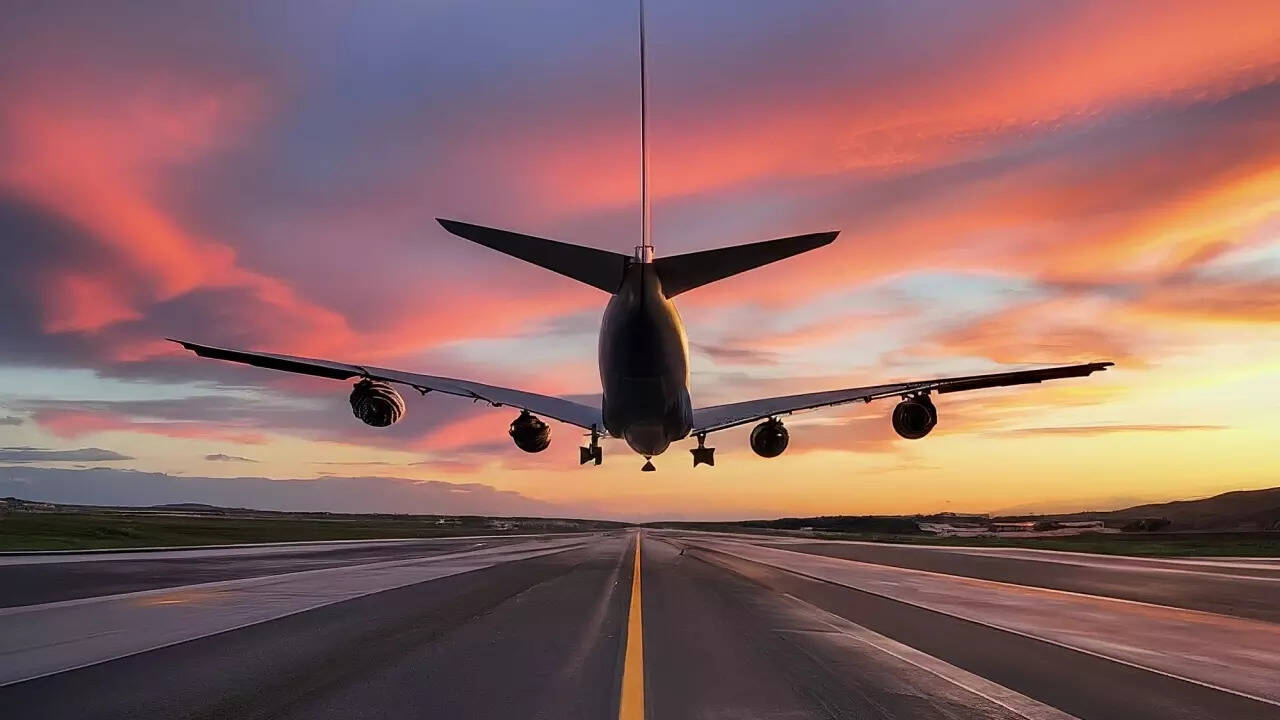
Airspace is more than just invisible lanes for aircraft—it’s a strategic asset. During times of heightened India-Pakistan tensions, the skies often turn into a barometer of conflict. Airspace restrictions, though technical in nature, have far-reaching impacts on national security, trade, and civilian life.
Why Airspace Restrictions Happen
When diplomatic or military tensions rise, countries may close or limit their airspace to:
Prevent hostile surveillance or strikes.
Protect civilian flights from risk.
Assert sovereignty over sensitive regions.
India-Pakistan Airspace History
Both nations have repeatedly restricted air routes in the aftermath of escalations, such as the Kargil War and the 2019 Pulwama-Balakot crisis. These moves disrupted international flight paths connecting Europe and Asia, forcing carriers to take longer, costlier routes.
Impact on Civil Aviation & Trade
Flight Delays & Increased Costs: Airlines reroute, burning more fuel.
Cargo & Supply Chain Disruptions: Slower movement of goods across the region.
Passenger Inconvenience: More layovers, cancellations, and higher ticket prices.
National Security Dimensions
Restricting airspace isn’t just about planes. It’s also a signal—projecting readiness, securing critical infrastructure, and reducing vulnerability to cross-border threats.
How Technology Plays a Role
Radar & Early-Warning Systems: To track unauthorized flights.
No-Fly Zones: Digitally enforced via GPS for commercial airlines.
UAV Surveillance: Increasing use of drones to monitor restricted corridors.
Future Outlook
Experts predict more frequent use of dynamic no-fly zones as both nations modernize their air defense systems. Diplomacy, however, remains the only lasting way to keep skies open and secure.
Conclusion
Airspace restrictions between India and Pakistan reflect more than just closed skies—they reveal the state of geopolitical tensions. Understanding their implications helps governments, businesses, and travelers prepare better for disruptions.
FAQs
Q1. What triggers airspace restrictions between India and Pakistan?
Military tensions, security threats, or retaliatory measures after an incident often prompt temporary airspace closures.
Q2. How do these restrictions affect international flights?
Flights connecting Europe and Asia are forced to reroute, leading to longer travel times and higher costs.
Q3. Are airspace restrictions always reciprocal?
Not always. One country may restrict its own airspace or bar flights from another country as a unilateral move.
Q4. Can airspace restrictions impact trade?
Yes. Air cargo delays can disrupt supply chains, affecting time-sensitive goods.
Q5. How are passengers informed about airspace closures?
Airlines issue travel advisories, update flight schedules, and notify passengers directly about cancellations or reroutes.
Published on : 24th September
Published by : SMITA
www.vizzve.com || www.vizzveservices.com
Follow us on social media: Facebook || Linkedin || Instagram
🛡 Powered by Vizzve Financial
RBI-Registered Loan Partner | 10 Lakh+ Customers | ₹600 Cr+ Disbursed
https://play.google.com/store/apps/details?id=com.vizzve_micro_seva&pcampaignid=web_share