

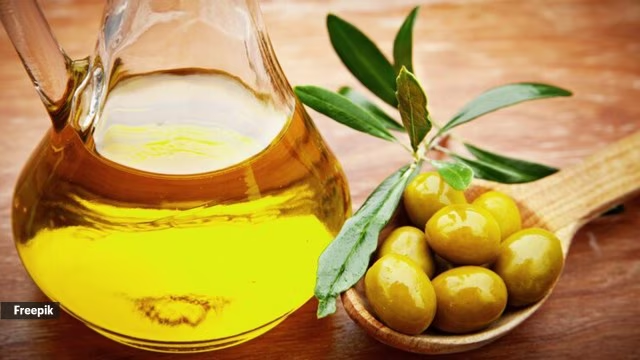
Where You Store Olive Oil Can Make or Break Its Flavour
Storing olive oil properly is crucial to maintaining its fresh, rich flavor and nutritional value. Improper storage can lead to oxidation, rancidity, and a significant loss in quality. This guide will help you understand the factors that affect olive oil’s shelf life and the best practices for keeping it fresh for as long as possible.
Why Olive Oil Storage Matters
Olive oil is sensitive to three main elements:
Light
Heat
Air
When exposed to any of these, the oil begins to break down, losing both flavor and antioxidants. Knowing how to minimize these exposures can help preserve your olive oil’s quality.
1. Store in a Cool, Dark Place
Temperature plays a key role in olive oil’s longevity. The ideal storage temperature is between 55°F and 65°F (13°C–18°C). Avoid storing it near:
Stovetops
Ovens
Sunlit windows
Instead, keep it in a pantry, cupboard, or cellar that maintains a consistent, cool temperature.
2. Use Dark or Opaque Containers
Glass is an excellent material for storing olive oil, but it must be dark-tinted (such as amber or green) to block out light. Alternatively, stainless steel containers work well and are commonly used in professional kitchens.
Avoid plastic and clear glass bottles, which allow light in and can react with the oil.
3. Keep the Bottle Tightly Sealed
Air exposure accelerates oxidation. After every use:
Immediately cap the bottle
Avoid leaving the bottle uncapped for extended periods
Using a bottle with a tight-fitting lid or spout cap is ideal.
4. Buy Smaller Quantities
Olive oil doesn’t improve with age. Instead of buying large containers that sit for months, purchase smaller bottles more frequently. This ensures you’re always using oil at peak freshness.
5. Don’t Store Olive Oil in the Fridge (Unless Necessary)
While refrigeration can extend shelf life, it can also cause cloudiness and solidification. If you live in a hot climate with no cool storage options, the fridge may be the lesser evil—but allow the oil to come back to room temperature before using.
How to Tell If Olive Oil Has Gone Bad
Signs your olive oil may be rancid:
Musty or wine-like smell
Stale or greasy taste
Cloudiness that doesn’t go away at room temperature
If it smells or tastes off, don’t use it—especially for dressings or finishing dishes.
FAQs About Storing Olive Oil
Q1: Can I store olive oil in a clear glass bottle if it's kept in a dark cupboard?
A: While it’s better than exposing it to light, dark-tinted or opaque containers offer superior protection. Light can still sneak in, especially if the cupboard is opened often.
Q2: How long does olive oil last after opening?
A: Once opened, olive oil is best used within 3 to 6 months. Proper storage may extend this slightly, but freshness begins to decline after opening.
Q3: Is it safe to transfer olive oil to a different container?
A: Yes, as long as the new container is clean, airtight, and made of suitable materials like dark glass or stainless steel.
Q4: What’s the best type of bottle for long-term olive oil storage?
A: Dark glass or stainless steel bottles with tight-sealing caps are ideal for long-term storage.
Q5: Can olive oil be kept near a stove if it’s in a dark bottle?
A: No. Even with a dark bottle, heat can degrade the oil quickly. Keep it in a cool area away from any heat sources.
Published on : JUNE 19, 2025
Uploaded by : MANJULA
www.vizzve.com || www.vizzveservices.com
Follow us on social media: Facebook || Linkedin || Instagram
🛡 Powered by Vizzve Financial
RBI-Registered Loan Partner | 10 Lakh+ Customers | ₹600 Cr+ Disbursed