

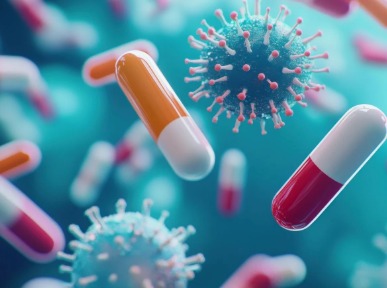
The World Health Organization (WHO) has issued a strong global warning, stating that antibiotic resistance is now one of the biggest threats to future healthcare systems. As misuse of antibiotics continues across hospitals, clinics, agriculture, and communities, WHO says the world is approaching a point where life-saving medicines may no longer work.
The warning comes as countries—including India—continue to witness a rise in drug-resistant infections, leading to longer illnesses, costlier treatments, and higher mortality.
🦠 What Exactly Is Antibiotic Resistance?
Antibiotic resistance occurs when bacteria evolve and become strong enough to survive medicines that once killed them.
Over time, common infections such as:
Pneumonia
Urinary tract infections
Tuberculosis
Sepsis
Post-surgery infections
may become untreatable.
WHO calls this scenario a “silent pandemic” emerging alongside other global health threats.
Why WHO Says the Situation Is Critical
According to WHO, antibiotic resistance is rising due to:
✔ Overuse of antibiotics
Self-medication, unprescribed antibiotics, and excessive use in humans/animals.
✔ Misuse in agriculture and poultry
Antibiotics used for growth promotion in animals contribute to resistant bacteria.
✔ Poor infection control in hospitals
Contaminated surfaces, overcrowded wards, and lack of hygiene spread resistant strains.
✔ Lack of new antibiotics
Pharmaceutical companies are struggling to develop new, effective drugs.
✔ Global travel
Resistant bacteria spread rapidly across borders.
What It Means for Future Healthcare
WHO warns that without urgent action:
❗ Common surgeries will become dangerous
Simple procedures like C-sections, knee replacements, or dental surgeries may carry infection risks doctors cannot treat.
❗ Cancer care may become riskier
Chemotherapy weakens immunity, making patients vulnerable to resistant infections.
❗ Hospital stays will become longer and costlier
Patients require stronger, more expensive drugs — if any are available.
❗ Mortality will increase
Drug-resistant infections could kill millions annually in coming decades.
🇮🇳 Why India Must Pay Special Attention
India is among the world’s largest consumers of antibiotics.
Contributors include:
Easy OTC access to antibiotics
High rate of infections
Extensive antibiotic use in livestock
Inadequate sanitation infrastructure
Overcrowded hospitals
This puts India at higher risk of superbug outbreaks.
What WHO Recommends Countries Do
✔ Regulate antibiotic sales
Stop over-the-counter availability.
✔ Improve hospital hygiene
Better sanitation, sterilisation, and infection-control protocols.
✔ Promote antimicrobial stewardship
Doctors must prescribe antibiotics responsibly.
✔ Strengthen surveillance
Countries need early-warning systems to detect outbreaks.
✔ Encourage vaccine uptake
Vaccines reduce infections, reducing the need for antibiotics.
✔ Invest in new drug R&D
More funding needed to develop next-generation antibiotics.
What Individuals Can Do
✔ Never take antibiotics without a prescription
Self-medication speeds up resistance.
✔ Complete full antibiotic courses
Stopping midway allows bacteria to survive and mutate.
✔ Avoid pressuring doctors for antibiotics
Many infections are viral, NOT bacterial.
✔ Maintain hygiene
Handwashing reduces infections and antibiotic use.
Conclusion: A Global Crisis That Needs Immediate Action
Antibiotic resistance is not a future problem — it is already affecting treatments today.
WHO’s warning highlights an urgent need for policy action, public awareness, responsible antibiotic use, and investment in healthcare systems.
If ignored, the world risks entering a “post-antibiotic era” where even minor infections become life-threatening.
❓ FAQs
1. What is antibiotic resistance?
It occurs when bacteria become resistant to medicines that once killed them.
2. Why is WHO calling it a global crisis?
Because rising resistance threatens surgeries, cancer care, and treatment of common infections.
3. Why is India vulnerable?
Due to high antibiotic use, OTC availability, and overcrowded healthcare settings.
4. How can individuals help?
Use antibiotics only when prescribed and complete the full course.
5. Can new antibiotics solve the crisis?
Partially — but responsible use is essential to slow down resistance.
Published on : 22nd November
Published by : SMITA
www.vizzve.com || www.vizzveservices.com
Follow us on social media: Facebook || Linkedin || Instagram
🛡 Powered by Vizzve Financial
RBI-Registered Loan Partner | 10 Lakh+ Customers | ₹600 Cr+ Disbursed
Source Credit: Indo-Asian News Service (IANS)