

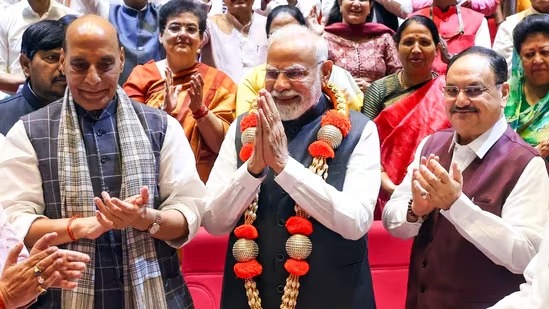
With the Vice Presidential elections approaching in India, political analysts and parties are closely watching potential contenders. The Bharatiya Janata Party (BJP), as the ruling party, is expected to announce a strategic candidate who can consolidate support and maintain political balance.
Background
The Vice President of India is elected by members of both Houses of Parliament through a single transferable vote system. Traditionally, the position is occupied by a candidate with:
Strong political or administrative experience
Acceptance across party lines
Ability to uphold constitutional duties impartially
BJP’s Probable Candidates
While the party has not officially announced a candidate, political observers speculate several names based on experience, influence, and regional representation. Potential BJP candidates include:
Experienced Parliamentarians: Senior leaders with years in the Rajya Sabha or Lok Sabha are strong contenders due to their legislative experience.
Union Ministers: Ministers handling important portfolios may be considered for their administrative expertise and national recognition.
State Leaders: Prominent BJP leaders from key states could be nominated to balance regional representation.
Factors Influencing BJP’s Choice
1. Political Strategy
The candidate must appeal to both the BJP and its allies, ensuring a smooth electoral victory.
2. Experience and Reputation
Leadership experience, legislative knowledge, and a clean public image are critical.
3. Regional and Community Representation
Selecting a candidate from underrepresented regions or communities can strengthen political outreach.
4. Coalition Dynamics
The BJP may coordinate with coalition partners to avoid electoral friction and maintain majority support.
Opposition’s Perspective
Opposition parties are likely to field their own candidates, considering factors such as:
Popularity among MPs
Opposition unity and consensus
Ability to counter BJP’s preferred nominee
This could lead to a highly competitive Vice Presidential election, reflecting the broader dynamics of national politics.
Implications of the Election
The Vice President serves as Chairperson of the Rajya Sabha, influencing legislative proceedings.
Election outcomes can shape political narratives ahead of future general elections.
It provides a platform for leaders with national stature to gain visibility and credibility.
FAQs
Q1. When will the next Vice Presidential election be held?
The election date is announced by the Election Commission of India, usually ahead of the current Vice President’s term ending.
Q2. Who elects the Vice President of India?
Members of both Houses of Parliament vote through a single transferable vote system.
Q3. What qualifications are required?
A candidate must be an Indian citizen, at least 35 years old, and qualified to be a member of the Rajya Sabha.
Q4. Can BJP’s candidate be from any state?
Yes, the candidate can be from any state, though regional and political considerations often influence selection.
Q5. What role does the Vice President play in Indian politics?
The Vice President acts as the Chairperson of the Rajya Sabha, presides over legislative proceedings, and serves as next in line to the President in case of vacancy.
Published on : 16th August
Published by : SMITA
www.vizzve.com || www.vizzveservices.com
Follow us on social media: Facebook || Linkedin || Instagram
🛡 Powered by Vizzve Financial
RBI-Registered Loan Partner | 10 Lakh+ Customers | ₹600 Cr+ Disbursed