

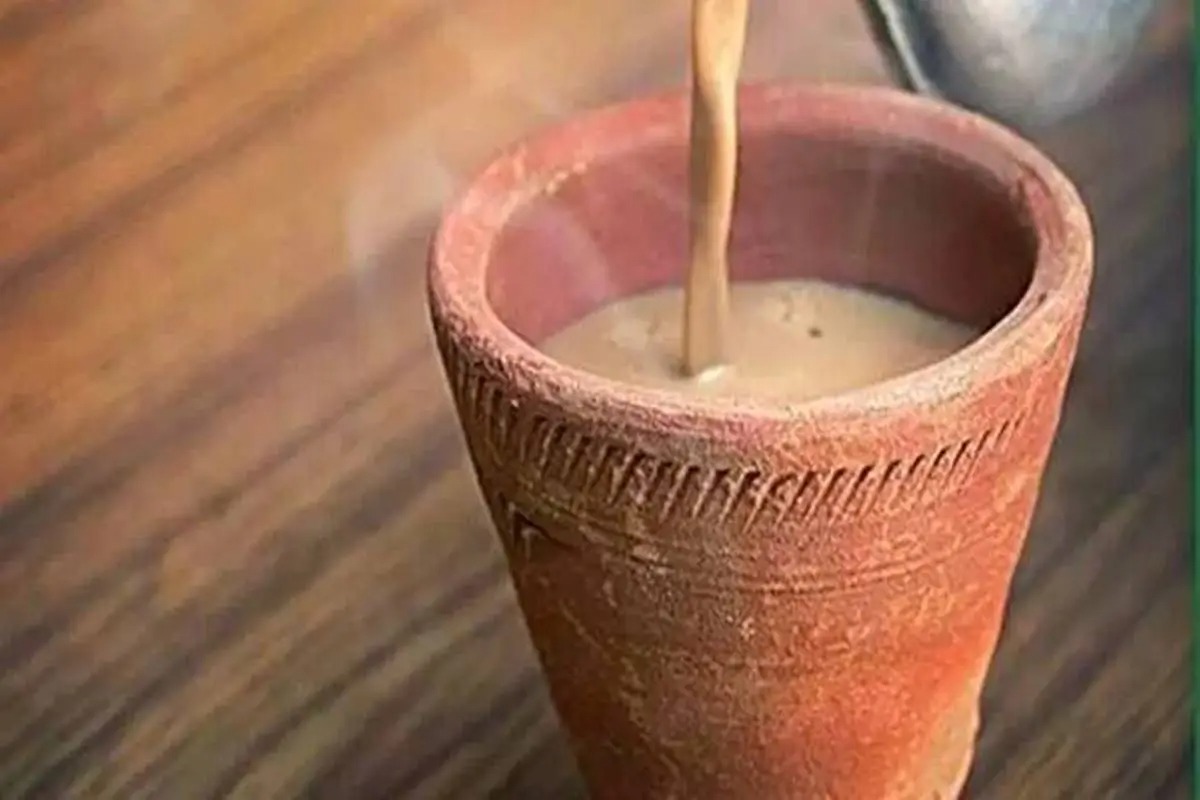
You don’t just drink tea on Indian trains.
You experience it — with the rhythmic cry of “Chaaaiii! Chaaaiii!” echoing through compartments.
But beneath the nostalgia lies a complex economy — one that involves lakhs of vendors, small-scale logistics, unorganized entrepreneurship, and daily cash flows worth crores.
Chai is Big Business — ₹10 at a Time
Every day, over 1.5 crore people travel on Indian Railways.
Even if 1 in 3 drinks just one chai, that's:
50 lakh cups/day
₹5 crore in daily turnover
Over ₹1,800 crore annually, just from tea
That’s more than the annual revenue of some FMCG companies — powered entirely by informal, cash-based trade.
Who Runs This Chai Economy?
1. Licensed Railway Vendors
Get IRCTC approval
Operate on platforms and pantry cars
Follow pricing & hygiene norms
2. Unofficial Onboard Sellers
Hop on trains for 1-2 stations
Sell local chai in kulhads, thermocol, or plastic cups
Operate in cash-only models, often with police “adjustments”
3. Station-Based Small Shops
Serve passengers during train halts
Often family-run or franchise kiosks
The Supply Chain Behind the Sip
Tea Leaves: Bought from local mandis or wholesalers
Milk: Delivered daily from nearby dairies
Cups: Sourced in bulk — plastic, paper, or clay kulhads
Sugar, Masala, Gas Cylinders: All bought with tight margins
These sellers wake at 3 AM, brew by 5, and run till midnight — often earning ₹500–₹1,500/day, depending on traffic and train routes.
Challenges on the Tracks
Licensing issues — Many vendors run without permits
Railway fines and police bribes
Weather disruptions during monsoons
Increasing competition from branded kiosks and IRCTC catering
Plastic ban enforcement pushing up packaging costs
Opportunities Brewing
Digital payments gaining traction (PhonePe, Paytm, UPI)
Eco-kulhads making a comeback for sustainability
Railway support schemes for licensed vendors
Chai startups now training rural sellers for hygiene & branding
FAQs
Q1: How much do chai vendors earn daily?
On average, ₹500–₹1,500/day depending on the station, traffic, and number of trains.
Q2: Do they pay taxes?
Most are unregistered and work in the informal economy, but licensed vendors under IRCTC may pay GST.
Q3: Are clay kulhads making a comeback?
Yes, IRCTC has pushed for kulhad use for environmental reasons, reviving rural pottery too.
Q4: Is digital payment accepted by these vendors?
Increasingly, yes — especially at bigger junctions. QR codes are now visible even with local sellers.
Q5: Why is chai so important culturally on trains?
It offers comfort, a break, and a chance for strangers to bond — a ritual rooted in Indian travel culture.
Published on : 6th August
Published by : SMITA
www.vizzve.com || www.vizzveservices.com
Follow us on social media: Facebook || Linkedin || Instagram
🛡 Powered by Vizzve Financial
RBI-Registered Loan Partner | 10 Lakh+ Customers | ₹600 Cr+ Disbursed