

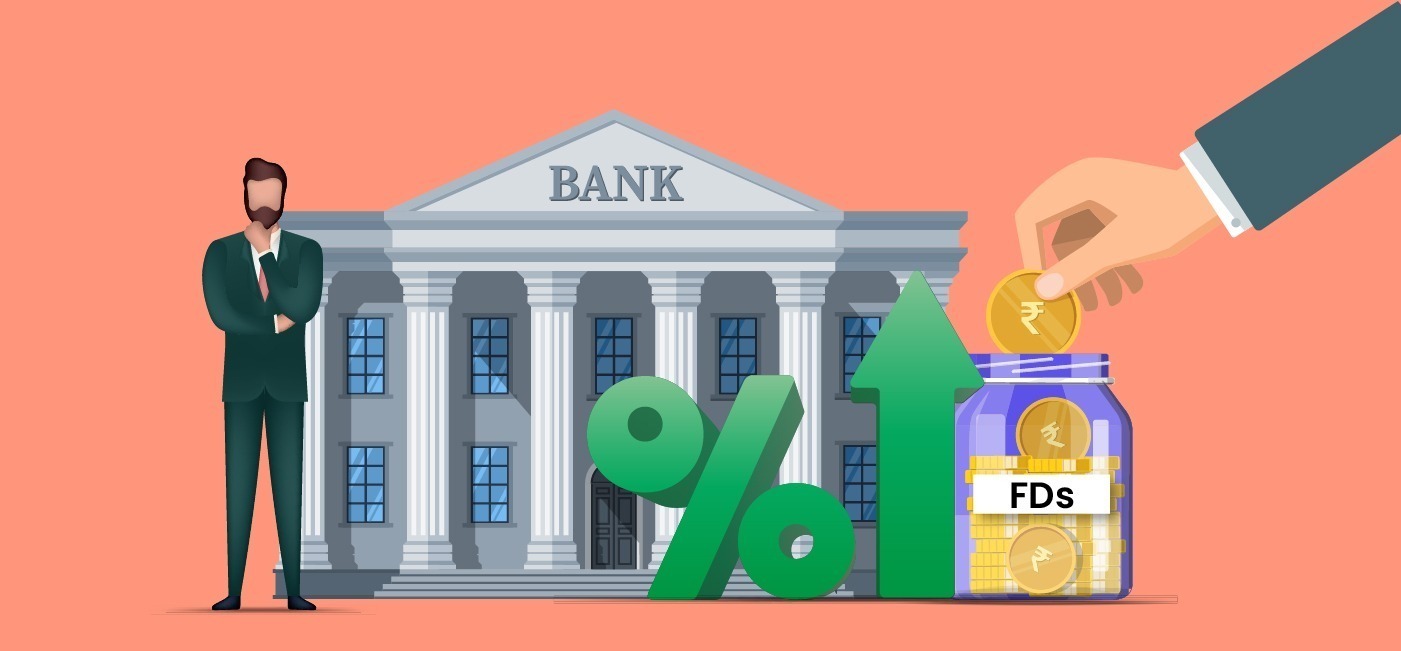
It sounds contradictory — interest rates are falling, yet bank deposit volumes are rising.
But this is exactly what’s happening in India right now.
Data from the RBI’s July monetary update shows deposit growth at 10.6% YoY, while lending growth is comparatively subdued. Why are Indians putting more money into banks even when returns are shrinking?
Let’s break it down.
🔍 The Paradox: Falling Rates, Rising Deposits
Traditionally, deposit growth slows during rate cut cycles, as returns drop. However, several unique macro and behavioral factors are driving the current surge:
🧠 1. Risk Aversion Among Investors
After stock market volatility, global wars, and debt default headlines, risk-averse households are preferring safe, guaranteed returns, even if they’re lower.
🔒 Vizzve Insight: Many senior citizens and middle-income savers shifted from mutual funds to fixed deposits (FDs) in 2024-25.
🧾 2. RBI's Inflation Management & Liquidity Injection
While repo rates are easing, real returns are stable or positive, thanks to falling inflation. This means deposit interest still beats price rise, encouraging savings.
💰 3. Limited Alternative Investment Options
With gold flat, real estate unaffordable, and crypto unstable, bank deposits are once again seen as the “default parking spot” for idle cash.
📊 4. Corporate Treasury Moves
Corporates, flush with capital but unsure about near-term expansion, are parking large sums in short-term bank deposits, waiting for clarity in capex cycles.
🧑🏫 5. Deposit-Linked Schemes Gaining Popularity
Banks are offering combo FDs with insurance, sweep-in liquidity, and cashback offers — luring more deposits despite sub-7% rates.
💡 Vizzve Tip: Look for smart hybrid FDs or laddered deposit strategies to balance liquidity and return.
🧮 Numbers That Back It Up
₹20.3 lakh crore added in household deposits in FY25 YTD
Top 5 banks reporting record CASA (Current Account Savings Account) growth
SBI, HDFC Bank, and ICICI Bank reporting ~8% increase in retail term deposits QoQ
🔄 Impact on the Economy
✅ Positives:
Banks gain liquidity for lending
Stable deposit base aids credit expansion once demand picks up
Encourages financial inclusion via formal savings
❗ Concerns:
Slower consumer spending if too much is saved
Low rates hurt pensioners and fixed-income earners long term
❓ FAQs – Bank Deposits vs Rate Cuts | Vizzve Answers
Q1. Isn’t it bad to invest in FDs when rates are low?
Not necessarily. If inflation is falling faster, real returns can remain positive. Also, capital safety matters during uncertain times.
Q2. Should I move from FDs to debt mutual funds now?
Depends on your risk appetite and goals. Debt funds can offer better returns but come with interest rate sensitivity and credit risk.
Q3. Will deposit interest rates rise again soon?
Unlikely in the short term. RBI is in accommodative mode to support growth. However, tier-2 banks may offer promotional high rates to attract funds.
📢 Final Take by Vizzve
In today’s uncertain world, stability is the new premium.
Even with falling rates, Indian savers are prioritizing security, liquidity, and trust, making bank deposits a reliable financial anchor.
🎯 Looking to optimize your savings strategy? Use Vizzve’s deposit laddering tool or speak to a Vizzve advisor today!
Published on : 10th July
Published by : SMITA
www.vizzve.com || www.vizzveservices.com
Follow us on social media: Facebook || Linkedin || Instagram
🛡 Powered by Vizzve Financial
RBI-Registered Loan Partner | 10 Lakh+ Customers | ₹600 Cr+ Disbursed.