

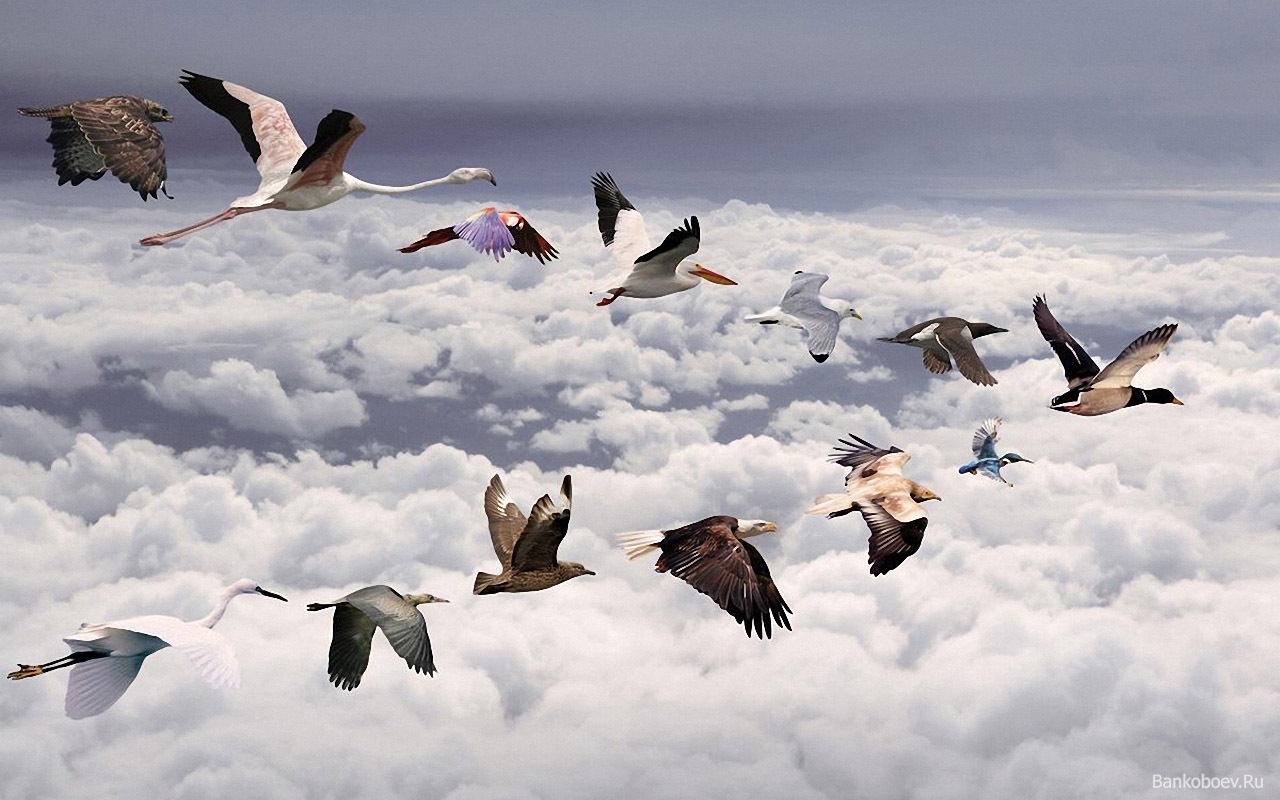
Why Birds Always Fly in a V Formation
Have you ever looked up at the sky and noticed a group of birds soaring in a perfect V shape? This common yet fascinating sight isn’t just a random occurrence — it’s a calculated survival strategy rooted in physics, biology, and teamwork.
1. Energy Efficiency and Aerodynamics
Flying requires tremendous energy. In a V formation, each bird flies slightly behind and to the side of the one in front, creating an upward airflow (called upwash) from the wingtips of the leading bird.
This aerodynamic technique reduces air resistance and allows birds behind to expend less energy. Studies show that birds can fly up to 70% longer using this strategy compared to flying solo.
2. Rotating Leaders to Avoid Fatigue
The lead bird bears the brunt of air resistance and tires out the fastest. Birds in a flock often rotate the lead position, ensuring no one bird burns out too quickly. This teamwork promotes endurance and survival during long migrations.
3. Visual Coordination and Communication
Flying in a V allows birds to maintain visual contact with each other more easily. It reduces mid-air collisions, keeps the group organized, and helps them navigate together across vast distances.
It’s especially useful during night flights or when crossing long, unfamiliar terrain during migration seasons.
4. Protecting the Young and Weak
The formation isn’t just about physics — it’s also about protection and structure. Younger, weaker, or older birds are often placed in the middle or rear, shielded from the harshest conditions while still benefiting from the group’s efforts.
5. It’s a Learned, Not Instinctual Behavior
Contrary to popular belief, V formation flight isn’t entirely instinctual. Birds learn and fine-tune their positioning through observation and repeated practice, often guided by adult or experienced birds.
FREQUENTLY ASKED QUESTIONS (FAQ)
Why do birds fly in a V formation?
To conserve energy, maintain coordination, reduce wind resistance, and support long-distance travel as a group.
Do all birds fly in a V formation?
No. V formation is mostly observed in migratory birds such as geese, pelicans, cranes, and ducks — species that travel long distances.
Who leads the V formation?
Usually, a strong and experienced bird leads the formation, but they rotate positions to prevent fatigue.
How does the V formation save energy?
Each bird flies in the updraft of the one ahead, reducing drag and making flight less tiring.
Is the V formation only for flight efficiency?
No, it also helps with navigation, protection, and communication during group travel.
Published on: July 17, 2025
Published by: PAVAN
www.vizzve.com || www.vizzveservices.com
Follow us on social media: Facebook || Linkedin || Instagram
🛡 Powered by Vizzve Financial
RBI-Registered Loan Partner | 10 Lakh+ Customers | ₹600 Cr+ Disbursed