

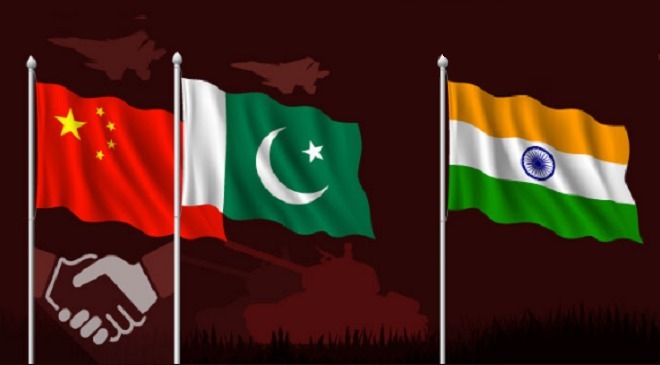
Pakistan has long been at the center of global power struggles, with both the United States and China vying for influence in the region. Its geographic location, security significance, and economic potential make it a strategic hotspot in international politics. But why exactly do these two superpowers want a stake in Pakistan?
Pakistan’s Geostrategic Location
Positioned at the crossroads of South Asia, Central Asia, and the Middle East.
Shares borders with India, China, Iran, and Afghanistan, making it crucial for trade and security.
Provides direct access to the Arabian Sea — vital for energy routes and trade corridors.
China’s Interest in Pakistan
China-Pakistan Economic Corridor (CPEC): A flagship Belt and Road project worth billions.
Provides China with direct access to Gwadar Port, bypassing the Strait of Malacca.
Strengthens China’s influence in South Asia while counterbalancing India’s rise.
US Interests in Pakistan
Historically used Pakistan as a strategic ally during the Cold War and the War on Terror.
Essential for counterterrorism operations and maintaining stability in Afghanistan.
Acts as a geopolitical counterweight against China’s growing influence in the region.
Pakistan’s Leverage
By balancing ties with both superpowers, Pakistan often plays a “swing state” role.
Gains financial aid, military support, and infrastructure investment from both sides.
However, this balancing act risks pushing the country into debt traps and dependency.
Challenges Ahead
Political instability and economic crises weaken Pakistan’s bargaining power.
Rising US-China rivalry puts pressure on Pakistan to choose sides.
Its long-term stability depends on managing external influence while focusing on domestic reforms.
FAQs
Q1: Why is Pakistan so important to both the US and China?
Because of its strategic location, trade routes, and role in security dynamics.
Q2: What is China’s biggest project in Pakistan?
The China-Pakistan Economic Corridor (CPEC), a multi-billion-dollar infrastructure project.
Q3: How does the US benefit from ties with Pakistan?
Through counterterrorism cooperation and as a strategic foothold in South Asia.
Q4: Is Pakistan caught in a power struggle between the US and China?
Yes, it risks being drawn deeper into the rivalry while trying to maintain balanced ties.
Q5: What does Pakistan need for long-term stability?
Strong governance, economic reforms, and reducing over-dependence on external powers.
Published on : 11th September
Published by : SMITA
www.vizzve.com || www.vizzveservices.com
Follow us on social media: Facebook || Linkedin || Instagram
🛡 Powered by Vizzve Financial
RBI-Registered Loan Partner | 10 Lakh+ Customers | ₹600 Cr+ Disbursed
https://play.google.com/store/apps/details?id=com.vizzve_micro_seva&pcampaignid=web_share