

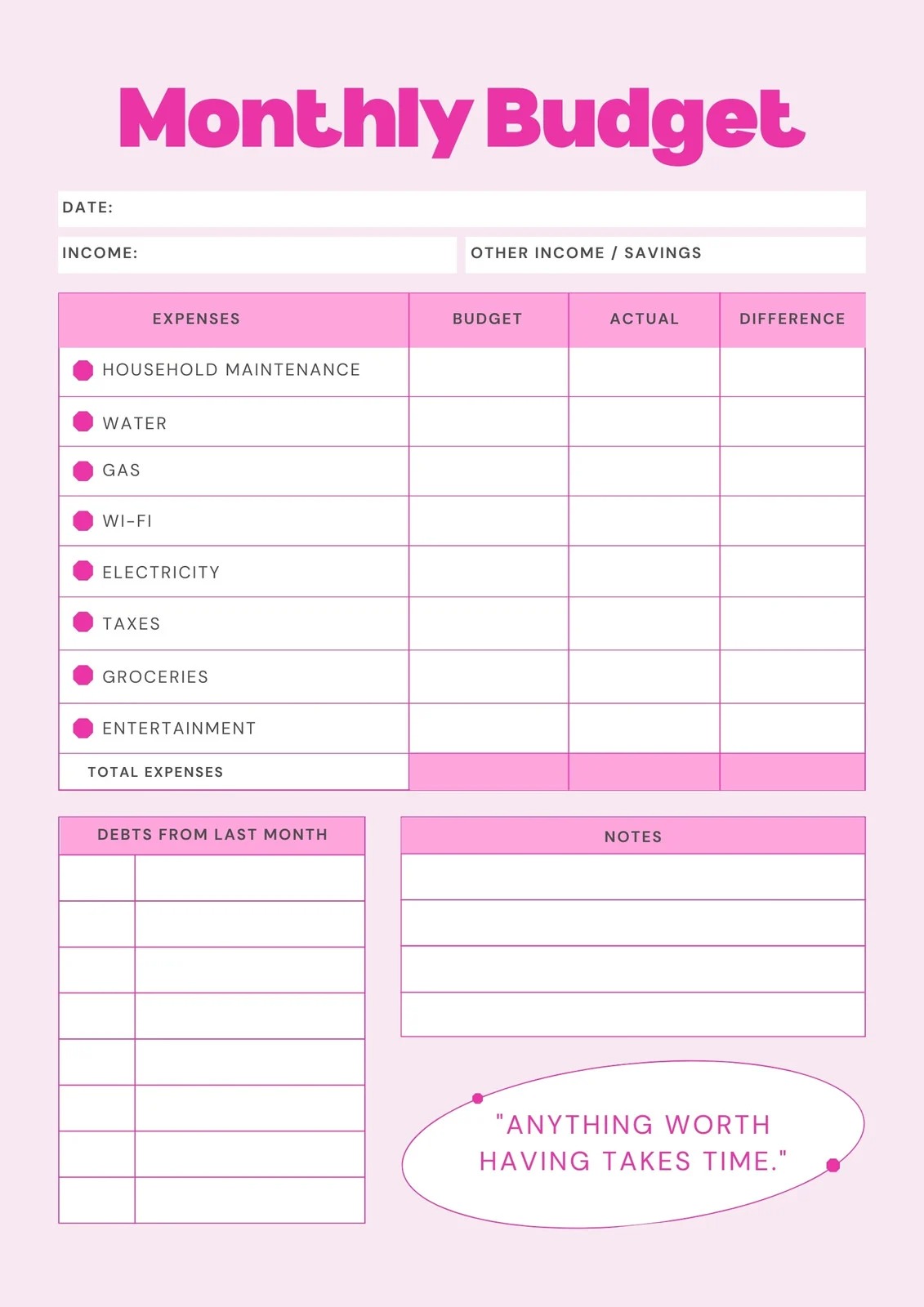
Budgeting is one of the most fundamental aspects of personal finance. Yet, many people overlook it, leading to overspending, debt, and missed financial goals. In simple terms, budgeting is planning how you spend your money to ensure your income aligns with your expenses and savings goals.
1. Helps You Track Income and Expenses
Budgeting provides a clear picture of your monthly income versus expenses. By categorizing your spending, you can identify where your money goes and make informed decisions to reduce unnecessary costs.
Example: Tracking subscriptions, dining out, or impulse purchases can reveal opportunities to save hundreds or thousands of rupees annually.
2. Enables Goal-Oriented Saving
Whether it’s buying a house, funding education, or planning a vacation, budgeting allows you to allocate funds toward your goals. Without a budget, saving becomes random and inconsistent.
Tip: Use the 50/30/20 rule:
50% on necessities
30% on wants
20% on savings and investments
3. Prevents Overspending and Debt
Without a budget, it’s easy to spend more than you earn, leading to credit card debt or loans. Budgeting keeps your spending in check, ensuring you live within your means.
Tip: Set spending limits for each category and stick to them.
4. Provides Financial Security
A well-planned budget includes emergency funds, helping you handle unexpected expenses like medical bills or car repairs without going into debt.
Tip: Aim for at least 3–6 months’ worth of expenses in an emergency fund.
5. Encourages Smart Financial Decisions
Budgeting helps you make informed decisions about investments, insurance, and major purchases. It provides clarity about how much money is available for discretionary spending versus essential needs.
6. Reduces Stress and Improves Financial Confidence
Knowing where your money goes reduces financial anxiety. A clear budget gives you control over your finances, helping you plan for short-term and long-term goals confidently.
Tips for Effective Budgeting
Track all income and expenses consistently.
Categorize expenses: essentials, wants, savings.
Set realistic monthly savings goals.
Review and adjust the budget regularly.
Use budgeting apps or spreadsheets for accuracy.
Conclusion
Budgeting matters because it transforms the way you handle money. It prevents overspending, supports savings goals, and provides financial security. By creating a realistic budget and sticking to it, you gain financial control and peace of mind, making it easier to achieve both short-term and long-term goals.
FAQ Section
Q1: What is budgeting in simple terms?
Budgeting is planning and tracking how you earn, spend, and save money each month.
Q2: How often should I review my budget?
Monthly reviews are ideal to adjust for changes in income or expenses.
Q3: Can budgeting help reduce debt?
Yes, by allocating funds for debt repayment and controlling unnecessary spending.
Q4: Are there apps to help with budgeting?
Yes, apps like Mint, Walnut, and Money Manager can simplify budgeting.
Q5: How much of my income should I save each month?
A common rule is 20% of your income, but it can vary based on goals and expenses.
Published on : 12th September
Published by : SMITA
www.vizzve.com || www.vizzveservices.com
Follow us on social media: Facebook || Linkedin || Instagram
🛡 Powered by Vizzve Financial
RBI-Registered Loan Partner | 10 Lakh+ Customers | ₹600 Cr+ Disbursed
https://play.google.com/store/apps/details?id=com.vizzve_micro_seva&pcampaignid=web_share